Ghibli style video, made from your own story
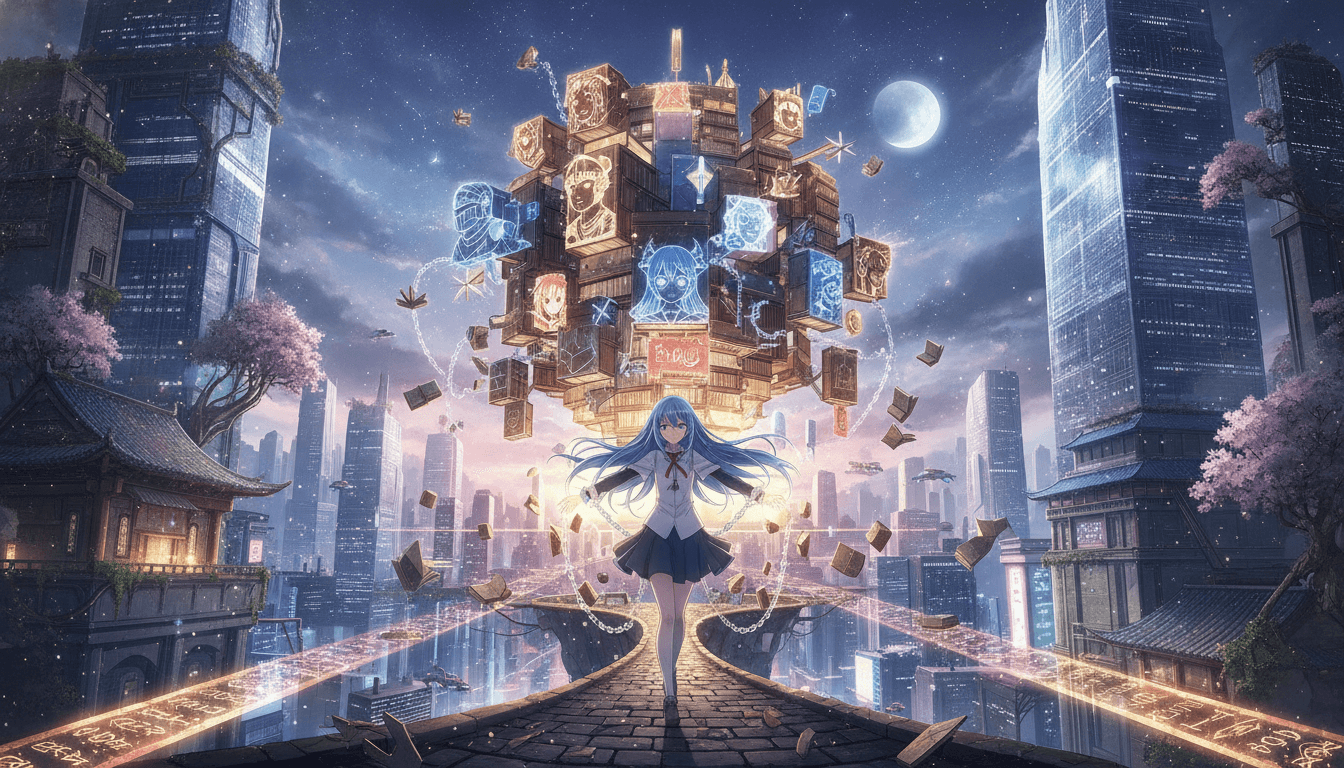
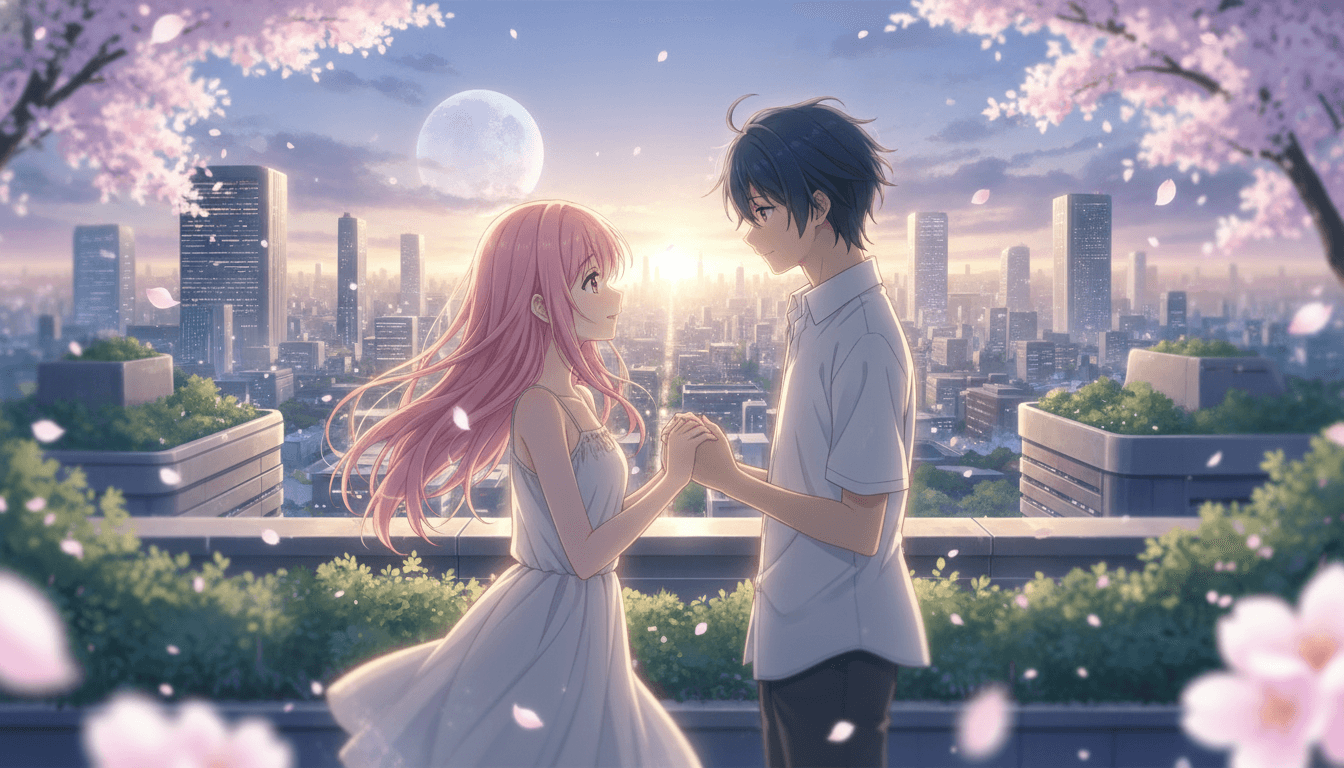
Soft light, hand-painted backgrounds, and quiet moments that are allowed to breathe. C2Anime takes the story you already have and renders it as a Ghibli style video — one cast designed up front, a real screenplay written before anything animates, and voiced scenes that hold the same painterly look from the first frame to the last.
How to make a Ghibli style video
Three stages, in this order. Planning before rendering is what keeps the look consistent instead of drifting scene to scene.
Give it the story
Paste a premise, a short story or a chapter. Quiet, place-driven stories suit this look best, so say where it happens and what season it is.
Choose the painterly look
Set the visual direction toward hand-painted backgrounds, soft daylight and gentle character designs. The director applies it to every scene, not just the first.
Watch the scenes render
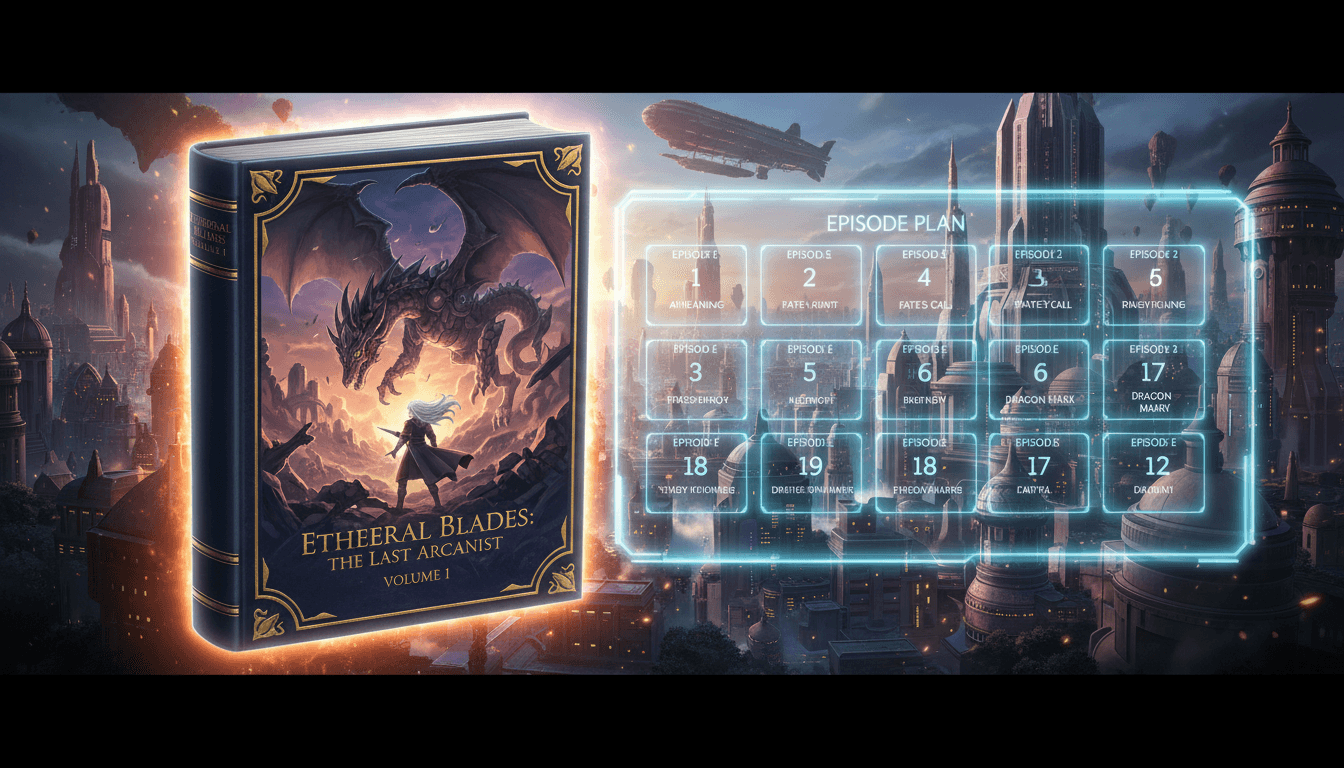
The screenplay comes first, then voiced scenes render with the cast already designed — so your Ghibli style video holds one look end to end.
What the Ghibli style video look is made of
The aesthetic is specific, and naming the parts makes it easier to ask for. These are the six choices doing most of the work.
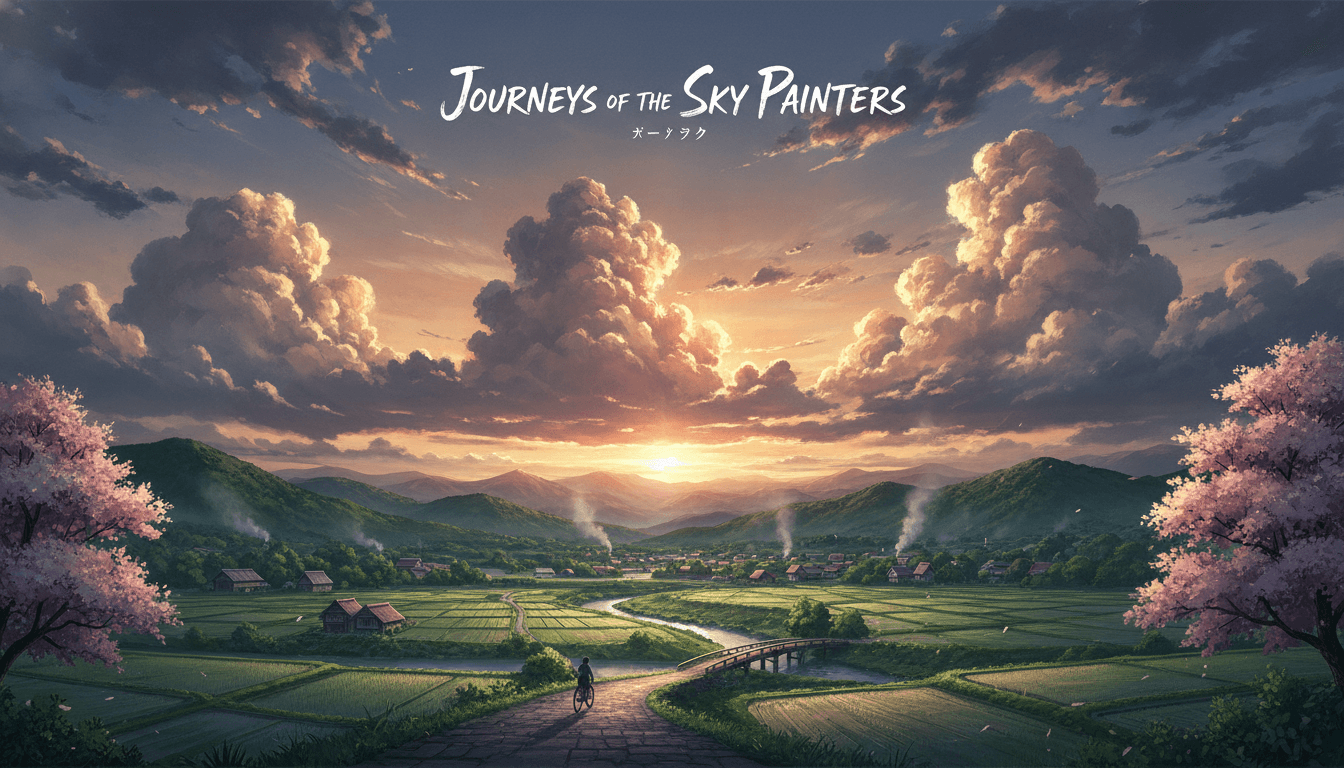
Soft, directional daylight
Late-afternoon sun, light through leaves, haze on a hillside. Contrast stays low and highlights stay warm rather than blown out.
Hand-painted backgrounds
Visible brushwork in clouds, grass and water. Backgrounds read as paintings held under the characters, not as photographic plates.
Simple faces, expressive eyes
Clean linework, minimal shading on skin, and expression carried by the eyes and posture instead of heavy rendering.
Wide, patient framing
Characters placed small inside a landscape. Shots hold long enough for the place to register before the dialogue starts.
Natural, muted colour
Greens, sky blues, off-whites and wood browns. Saturation comes from light, not from neon accents.
Quiet motion
Wind in grass, laundry moving, a train passing. Movement suggests weather and time rather than action.
Stories that suit this look
This visual language rewards stories about place. A summer at a grandparent's house. A move to a town where nobody knows you. A walk that turns into a journey. The look does its best work when the setting is a character and the camera is willing to sit still long enough for you to notice it.
It also suits stories where the conflict is internal — a decision, a goodbye, a friendship shifting — because soft lighting and quiet framing carry interior feeling better than they carry spectacle. There is usually no villain, just people with different needs.
Fantasy works, as long as the strange thing is grounded in somewhere ordinary: a spirit in a bathhouse, a machine in a field. Give the world rules and a season, and the painterly treatment will make it feel lived in rather than designed.
Sample prompts for a Ghibli style video
Useful prompts name the light, the season and the framing — not just the subject. Start from one of these and swap in your own characters.
A countryside afternoon
“A twelve-year-old girl walks a gravel road between rice fields, straw hat in hand, towering summer clouds behind her. Warm late-afternoon light, hand-painted background, wide framing, gentle wind in the grass.”
A small kitchen scene
“Two sisters cook breakfast in a cluttered wooden kitchen. Morning light through a paper window, steam from the pot, close warm interior, soft shading, conversation-led scene with long held shots.”
A departure
“A boy waves from a rural station platform as a single-carriage train pulls away. Overcast sky, muted greens, painted hills in the distance, characters framed small against the landscape.”
A forest threshold
“A traveller steps off a mossy path into old-growth forest, light shafts through the canopy, layered foliage, quiet awe rather than danger, patient camera, painterly texture throughout.”

Why the cast is the hard part
Gentle character designs are unforgiving. There is very little detail to anchor a face, so when each shot is generated on its own the features slide: the nose moves, the hair shortens, the eyes change shape. Viewers notice straight away, even when they cannot name what changed.
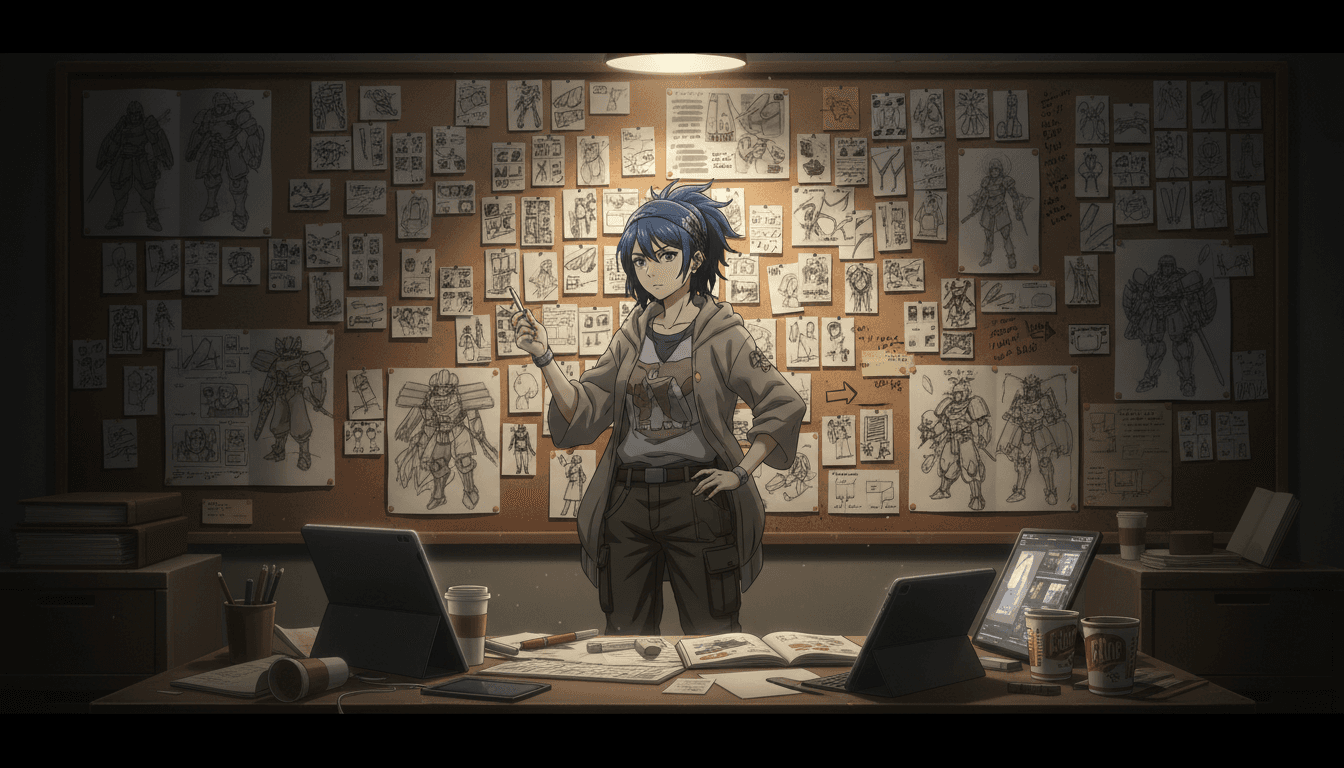
C2Anime designs each character once, before any scene renders, and treats that model sheet as fixed for the rest of the production. Scene nine reuses the same references as scene one rather than reinventing them.
The same applies to the backgrounds. Because the palette and lighting rules are set at the planning stage, the whole video stays inside one world instead of shifting style every time the location changes.
What C2Anime handles for you
One cast across every scene
Gentle character designs drift badly when each shot is generated alone. C2Anime designs the cast once and reuses those references for the whole video.
Backgrounds that carry weight
Painted skies, layered foliage and deep horizon lines are treated as part of the storytelling rather than filler behind the characters.
Dialogue with room to breathe
Characters speak and keep their voices. Scenes are built around conversation and pauses instead of narration laid over stills.
Scenes that connect
Structure is planned before rendering, so a small moment early on can matter later. That is what separates a film from a set of pretty clips.
Ghibli style video: common questions
- What is a Ghibli style video?
- A Ghibli style video is animation built on a specific visual language: hand-painted backgrounds, soft natural daylight, muted colour, simple expressive character designs and wide patient framing. C2Anime applies that language to a story you supply and renders it as a voiced anime video rather than a set of still images.
- Is this affiliated with Studio Ghibli?
- No. C2Anime is an independent product and has no connection to Studio Ghibli or any of its films. "Ghibli style" here describes an aesthetic direction — painterly backgrounds and soft light — applied to your own original characters and story.
- Will my characters stay consistent through the video?
- That is the part C2Anime is built around. The cast is designed once, before rendering, and those designs are reused for every scene the character appears in. Gentle, low-detail character designs are exactly the kind that drift when each shot is generated in isolation, so fixing them up front matters most in this style.
- What kind of story works best in this style?
- Stories rooted in a place, driven by character rather than spectacle, and comfortable with quiet: a summer spent somewhere new, a family changing shape, a journey with no villain. Loud action stories can be rendered too, but the look does less work for them.
- Can I use my own characters?
- Yes, and it is the intended workflow. Describe your original cast in the story you hand over and the director designs them in this visual language, then keeps those designs across the whole runtime.
- Do I need animation experience to make a Ghibli style video?
- No. Structure, staging, casting and timing are planned for you and shown as an editable screenplay before anything renders. What you bring is the story and opinions about how it should feel.
- How long can the video be?
- Long enough for a complete short with a beginning, middle and end, rather than a single clip. Runtime depends on how many scenes your story needs and which credit tier you are on.
Bring a quiet story. Leave with an anime.
You stay the director. C2Anime handles the cast, the screenplay and the scenes.
Making a Ghibli style video from a story you wrote
Most tools that promise a Ghibli style video produce a single image or a few seconds of movement. The look lands, and then it is over, because nothing in the system is keeping track of who the characters are or what the story was. C2Anime works the other way round. It reads your story first, proposes a structure, designs the cast, writes a screenplay with real dialogue, and only then renders scenes — every one of them against the same plan and the same painted visual language.
The reason that order matters is continuity. This aesthetic depends on restraint: a limited palette, consistent light, simple faces held for long beats. Those are precisely the qualities that fall apart when shots are generated independently. A Ghibli style video that changes its palette halfway through, or gives its protagonist a different face in the third scene, reads as a collection of wallpapers rather than a film. Fixing the cast and the lighting rules before rendering is what keeps it a film.
It also means you can go longer. A five-second clip can absorb a little drift; a ten-minute short cannot, and a series absolutely cannot. If what you want is a recurring cast in a world people come back to — a town, a household, a stretch of countryside — the production has to be planned whole. C2Anime plans it whole, and the plan is visible and editable before a frame is committed.
Bring whatever you already have: a premise, a short story, a chapter of a novel, a screenplay. Name the season, the light and the place, and C2Anime will stage the scenes, cast and hold the voices, and render anime with dialogue at its centre rather than narration over stills. C2Anime is not affiliated with Studio Ghibli; the style is an aesthetic direction applied to your own original characters and story.