A Vidu alternative made for anime
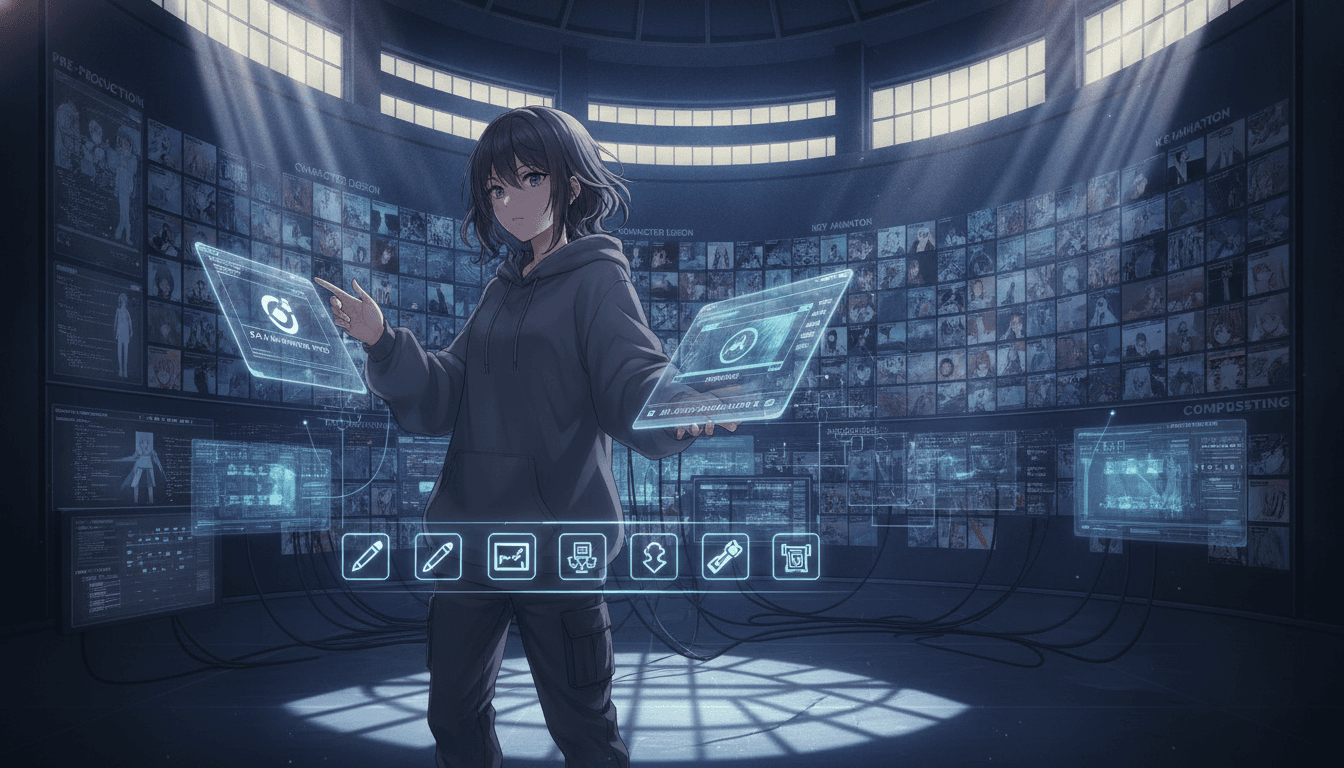
If you are looking for a Vidu alternative because you want a whole anime and not a stack of short clips, this is the difference. Vidu is a general video model you prompt one clip at a time. C2Anime is a Director: hand it a story and it writes the screenplay, designs a consistent cast, gives everyone a voice and renders the scenes in order.
Vidu details below are from vidu.com, checked October 2026. Features there change; confirm current details on their site.
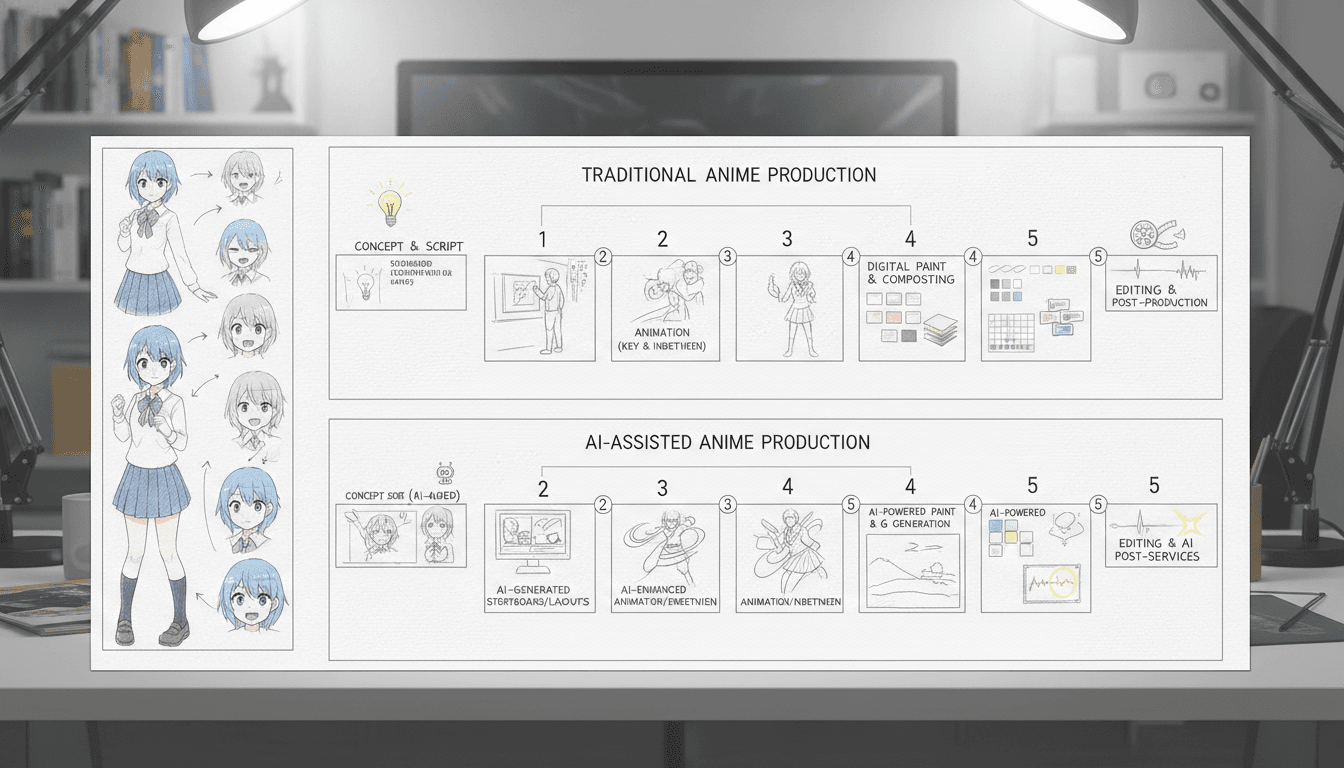
How C2Anime works as a Vidu alternative
Three stages, in this order. The order is why the finished anime holds together instead of looking like separate clips stitched up afterwards.
Hand over the story
Paste an idea, a script or a whole chapter. The Director reads it for structure the way it reads coverage — not as a single prompt for a single clip.
Approve the plan
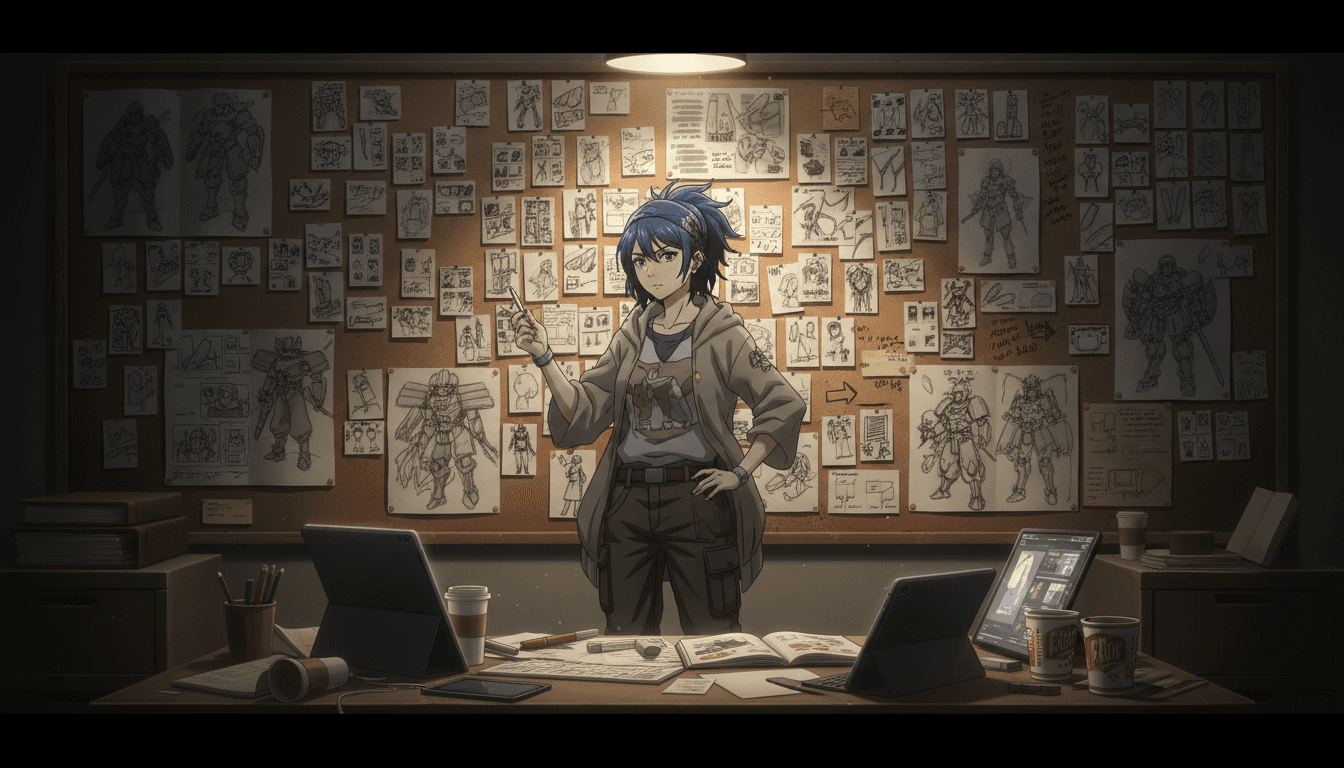
It breaks the story into acts and scenes, designs the cast and writes a screenplay. You see the whole production plan before anything renders.
Watch it get shot
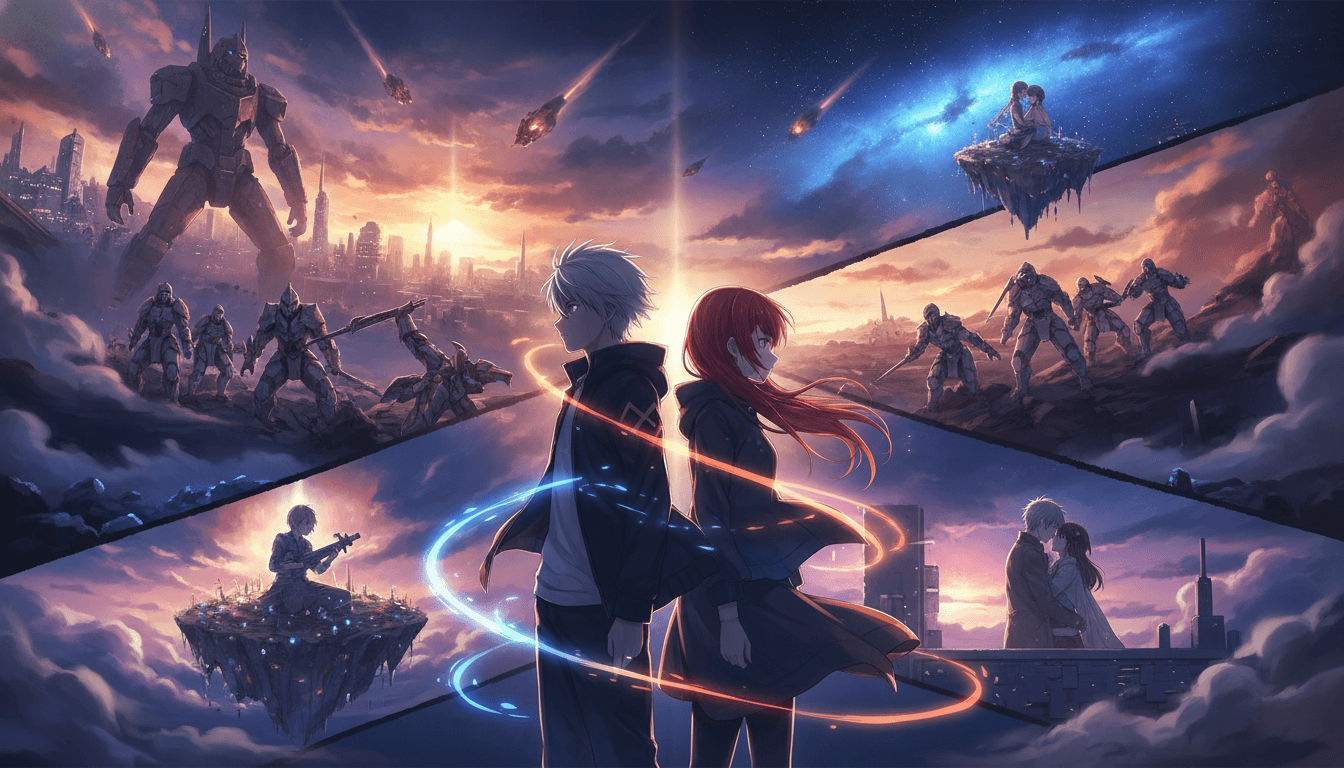
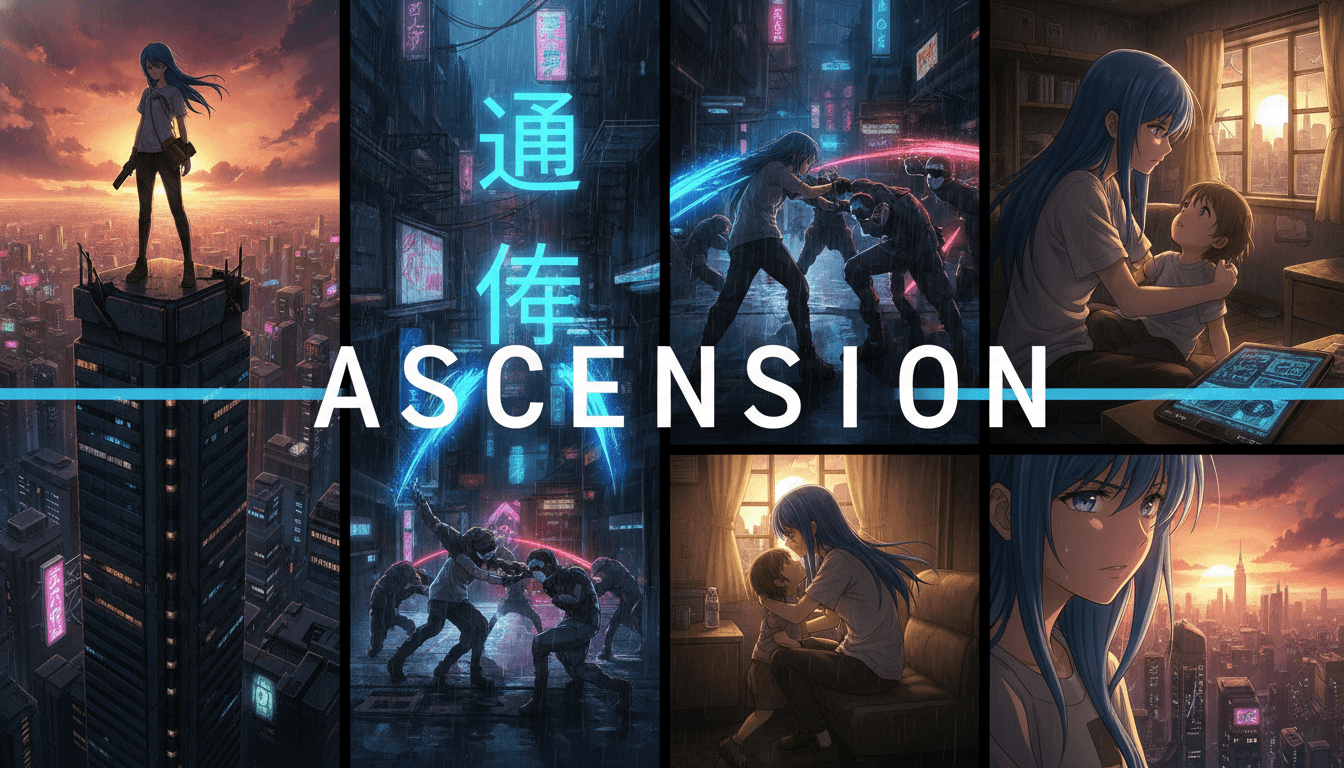
Each scene is staged, voiced and rendered with the same cast, so scene nine still looks like scene one and the short holds together end to end.
C2Anime vs Vidu, side by side
The two tools sit at different points in the pipeline. The table describes what each does so you can decide which fits the anime you are trying to make.
| C2Anime | Vidu | |
|---|---|---|
| Starting point | A whole story, script, novel chapter or premise | A prompt per clip: text, an image, or reference images |
| Screenplay step | Writes act breaks, a scene list and real dialogue before rendering | Generates from the prompt you give each clip |
| Keeping characters on model | Designs the cast once and reuses those references across every scene | Reference to Video: upload three or more images; "My References" saves characters, props and scenes |
| Output shape | A connected multi-scene anime short or episode | Individual clips (sample prompts show roughly 5–10 seconds), up to 1080p |
| Dialogue | A voice per character, held across the whole video | A general video model; the site shows audio in a user testimonial |
| What it is built for | Anime specifically — story to finished episode | General video: cinematic footage, 2D animation, ads and social clips |
Why people reach for a Vidu alternative
Vidu is a strong clip engine. Its site advertises Text to Video, Image to Video and Reference to Video, where you upload three or more images of a character or scene and save them in a "My References" library. Sample prompts show clips of roughly five to ten seconds at up to 1080p.
The friction shows up when the thing you actually want is an anime, not a clip. You prompt one shot, then the next, then try to make shot four remember what happened in shot three. You line up the cast by hand, decide the order yourself, and bolt on dialogue afterwards. The clips can look great and still not add up to a story.
That is the gap a Vidu alternative like C2Anime is built to close: it owns the production layer above the clip, so the continuity work is done before anything renders rather than in an editor afterwards.
The cast is the hard part
Vidu's answer to consistency is Reference to Video: feed it several images and it holds that look within a clip. For a single shot that works. Across a whole episode, re-supplying and re-matching references for every scene is where the hours go.
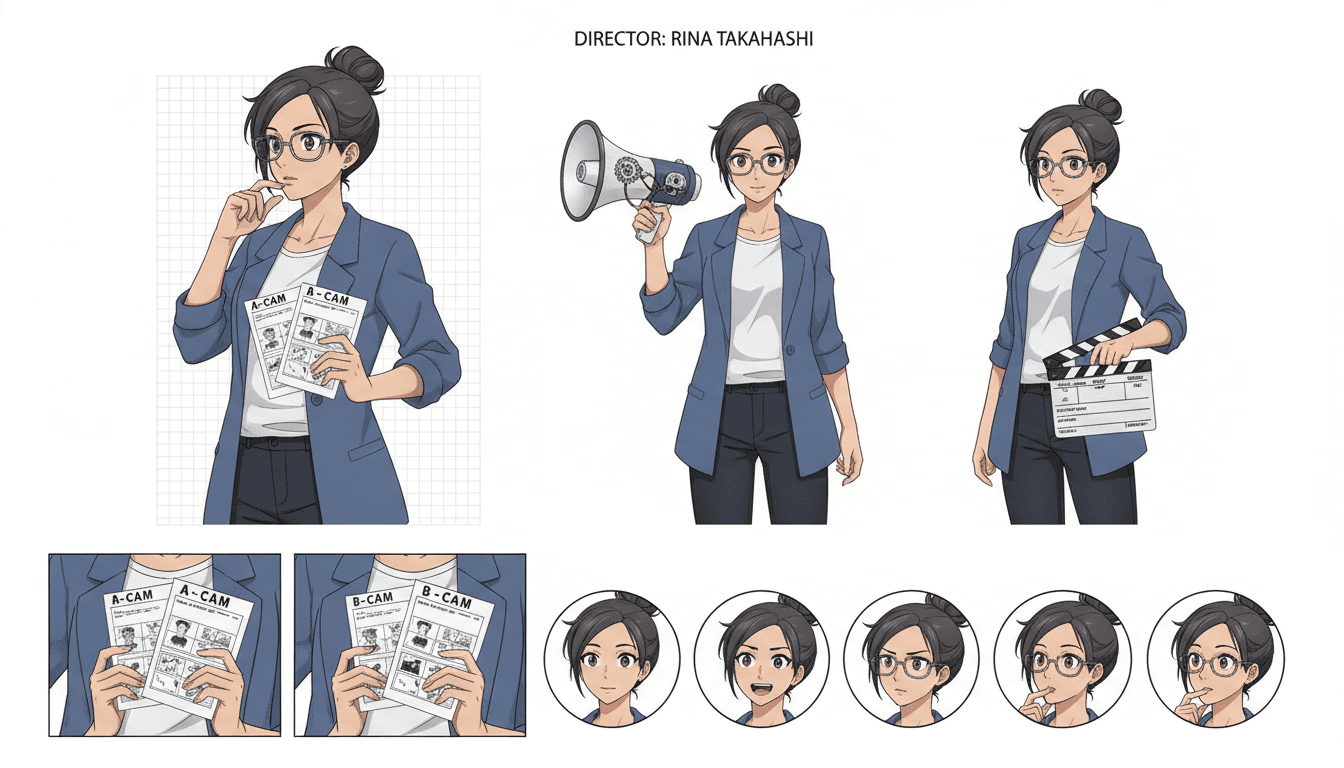
C2Anime designs each character once, up front, and treats that design as a fixed reference for the rest of the production. When a character walks into scene nine, the Director is not reinventing them — it is reusing the same cast it already cast.
That is what turns a pile of clips into a series: the same faces, the same world and the same voices can carry from one episode into the next.
What you get from the Vidu alternative
One cast, every scene
The Director designs your characters once and carries those exact designs through the whole video. This is the gap a clip-at-a-time workflow leaves you to close by hand.
A screenplay, not a prompt
Before anything renders, C2Anime writes a real screenplay with scene headings, action and dialogue. You can read it, edit it and re-plan before a frame is spent.
Characters that speak
Every character is cast with a voice and keeps it. Scenes are built around dialogue rather than narration laid over stills.
Scenes that connect
Because the full runtime is planned up front, an early scene can set something up and a later scene can pay it off instead of resetting.
Moving your anime workflow over
Bring the story, not the clips. You do not need to export anything from Vidu. C2Anime starts from the source — a premise, a script or a chapter — and plans the production from there, so there is nothing to migrate except the idea.
Reuse your character ideas. If you built reference images for a character, describe that character to the Director and it will design a reusable cast member you can drop into every scene instead of re-uploading references per shot.
Keep Vidu for what it is good at. Plenty of creators use a general clip model for one-off shots and a Director for full episodes. Treating C2Anime as a Vidu alternative for story-driven anime does not mean dropping every other tool.
Vidu alternative: common questions
- What is the best Vidu alternative for anime?
- It depends on what you are making. Vidu is a general video model you prompt one clip at a time. If your goal is a finished anime that runs across many connected scenes, a Vidu alternative like C2Anime is built for that specific job: it plans the structure, writes the screenplay, designs the cast and renders voiced scenes against that plan.
- How is C2Anime different from Vidu?
- Vidu, as described on vidu.com, offers Text to Video, Image to Video and Reference to Video, where you upload three or more reference images to hold a character or scene. C2Anime works a level up from the clip: you hand it a story and it directs the whole production — act breaks, a screenplay, a consistent cast and per-character voices — then renders the scenes in order.
- Does Vidu keep characters consistent?
- Vidu advertises Reference to Video, where you upload three or more images of an object, character or scene, plus a "My References" library to reuse them. That holds a look clip by clip. C2Anime takes a different approach for longer work: it designs the cast once and reuses those references automatically across every scene of the episode.
- Can a Vidu alternative generate full episodes instead of short clips?
- That is the main reason to look for a Vidu alternative when you are making anime. Vidu sample prompts show short clips of roughly 5 to 10 seconds. C2Anime plans the entire runtime first and renders scene after scene, so you end up with a complete short or episode rather than a stack of separate clips to edit together.
- Do I still have to edit the clips together myself?
- With a clip generator, assembling the scenes, matching the cast and adding dialogue is your job after the fact. C2Anime does that planning before it renders: the scenes are ordered, the cast is fixed and the voices are cast as part of the production, so the output is already a connected video.
- What can I give C2Anime as input?
- A one-line idea, a detailed premise, a screenplay, a chapter of a novel or a finished short story. The longer and more specific the input, the closer the adaptation follows your beats.
- Is C2Anime free like Vidu?
- Vidu states that all users receive a set amount of free credits. C2Anime is currently invite-gated Early Access with paid credit tiers — see the pricing page for current details. We do not promise a free tier here; check both products for the latest.
Bring a story. Leave with an anime.
The Director handles the production. You stay the director of record.
Start your animeChoosing a Vidu alternative for anime
Searching for a Vidu alternative usually means you have already tried generating video a clip at a time and run into the same wall: the clips look fine on their own but refuse to add up to a story. Vidu, as described on its own site, is a general video model with Text to Video, Image to Video and Reference to Video modes, a "My References" library for characters and scenes, and output up to 1080p. It is good at producing a single striking shot from a prompt.
C2Anime sits one level up. Instead of a prompt per clip, you hand it a story and it directs the whole thing — act breaks, a scene list, a real screenplay with dialogue, a cast designed once and reused everywhere, and a voice per character held across the runtime. For a creator making an anime short or a full episode, that production layer is the reason to look at a Vidu alternative in the first place: the continuity is planned before rendering, not reassembled afterwards in an editor.
This matters most for longer, character-driven work. A five-second clip can survive a little drift; an episode cannot, and a series definitely cannot. If your ambition is a recurring cast, a world viewers return to, or a faithful adaptation of a novel you have already written, the whole production has to be planned as one piece. That is the specific job C2Anime is built for, and it is where a story-to-anime Director differs most from a clip generator like Vidu.
C2Anime is currently invite-gated Early Access with paid credit tiers, and it works from whatever you already have: a premise, a screenplay, a chapter or a finished short story. The details above about Vidu reflect what vidu.com stated when this page was written in October 2026; competitor features change, so check their site for the latest before you decide. Bring the story — the Director will shoot it.