Light novel to anime, volume by volume
Getting a light novel to anime normally means a studio, a production committee and a few years of waiting. C2Anime does the same job in the same order: it reads your volume, breaks the arc into episodes, designs the cast once, writes the screenplay, and renders voiced scenes with those characters in them.
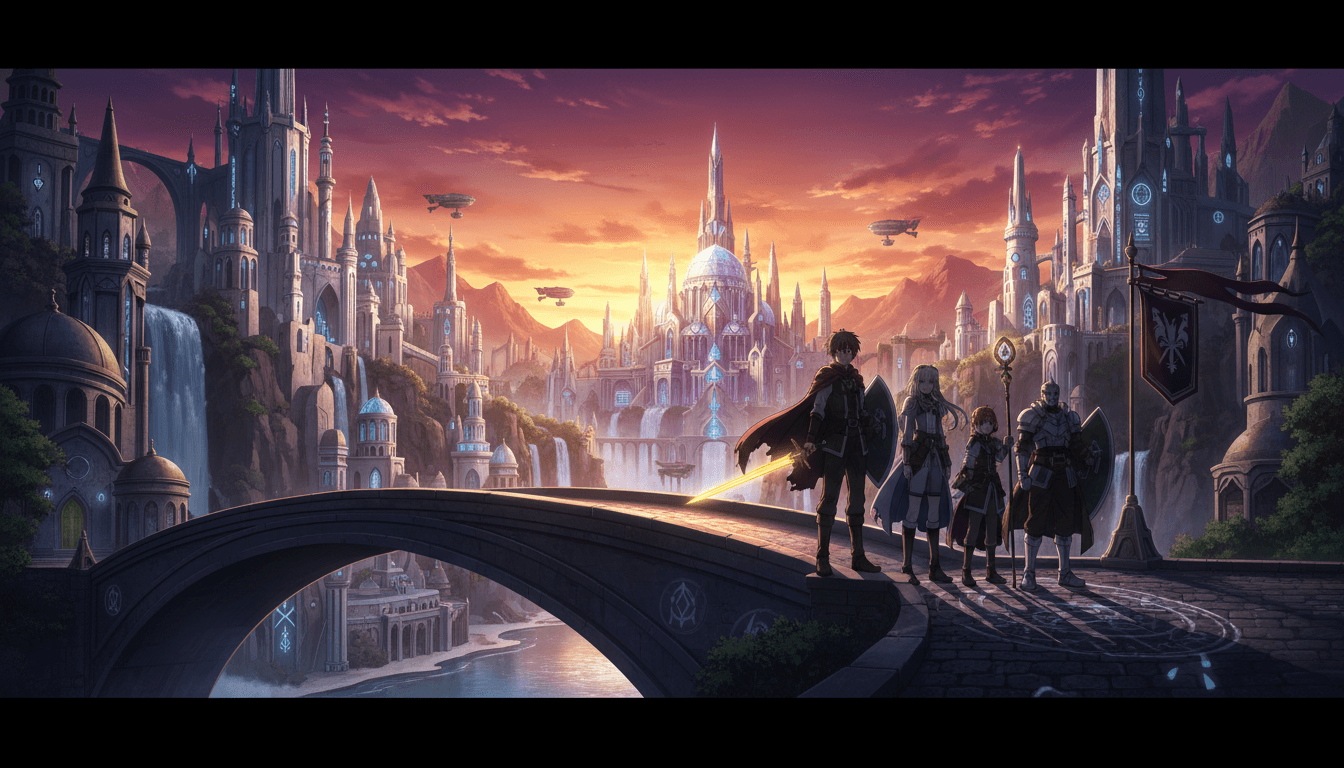
How light novel to anime adaptation works
Three stages, in this order. Planning before rendering is what stops an adaptation from turning into a slideshow.
Paste the volume
Drop in a chapter, an arc or a whole volume. Prose, dialogue tags, internal monologue and all — you do not have to reformat anything first.
Get an episode breakdown
The AI Film Director finds the arc breaks the way an adaptation team would: which chapters become which episode, where the cliffhanger lands, what gets compressed.
Watch the episodes render
Each scene is staged, cast, voiced and rendered against that breakdown, so volume two still looks like volume one.
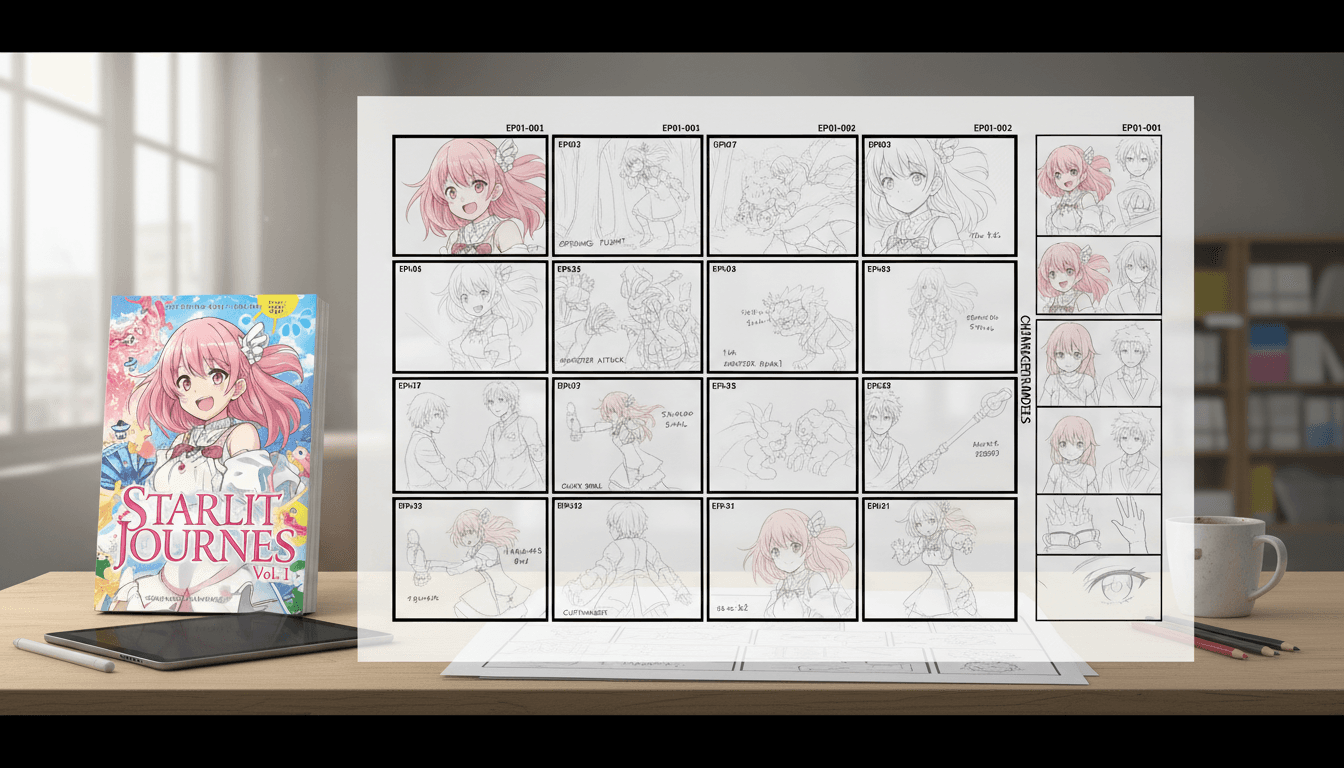
Volumes become arcs, arcs become episodes
A light novel volume is already shaped like a season. It opens on a situation, escalates through a middle act, and ends on a turn that makes you buy the next one. The adaptation work is deciding where the episode boundaries fall inside that shape.
C2Anime does that first. You get a breakdown — this chapter range is episode one, this scene is where the episode ends, this subplot gets folded into the B-story — before anything is rendered. It reads like a writers' room document, and you can argue with it.
That order matters. Because the whole arc is planned up front, a detail introduced in episode one can pay off in episode six instead of being forgotten by the next prompt.
The cast a light novel lives on
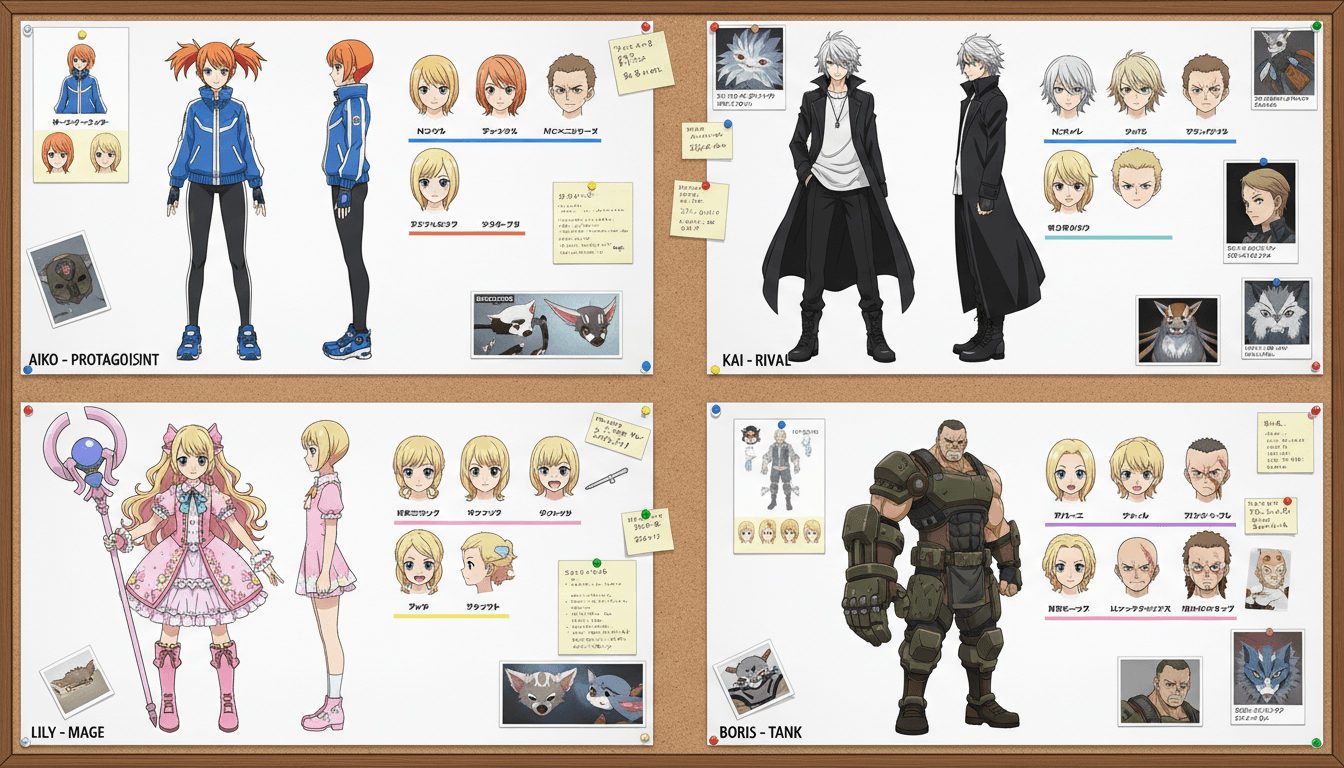
Light novels carry big casts. A party of five, a rival faction, a handful of recurring side characters who show up every few chapters. Readers know all of them by silhouette, and an adaptation that redraws them slightly differently each time loses the thing the series was built on.
C2Anime designs each character once and treats that design as a fixed reference for the rest of the production. Hair length, eye colour, the trim on a uniform, the weapon someone carries — all of it stays put when the character walks into a later scene.
This is what makes a multi-episode adaptation possible at all. The same cast can carry from the first arc to the next volume without being reinvented.
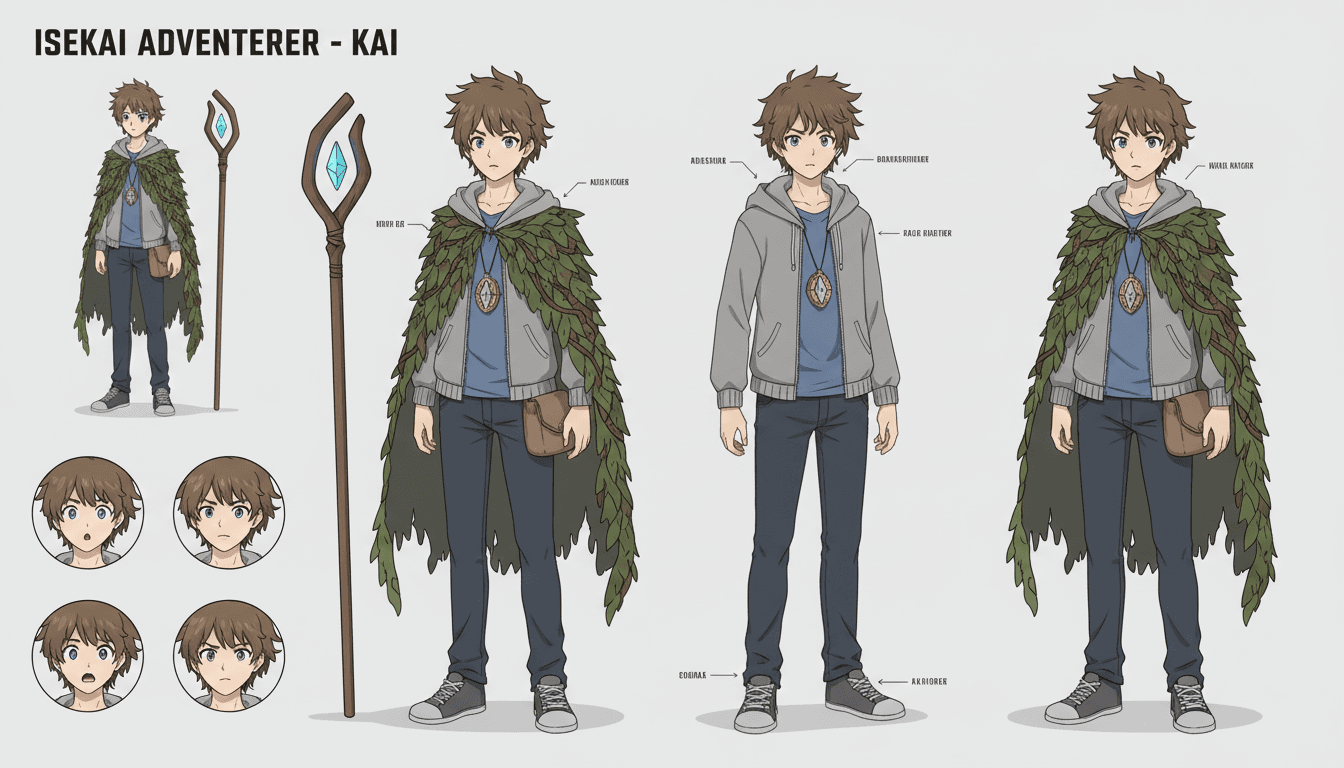
What the light novel to anime pipeline handles
A party that stays on model
Light novels run on a big recurring cast. Each character is designed once and reused, so the fourth party member looks the same in episode nine as in episode one.
Monologue turned into scenes
First-person narration is the hardest thing to adapt. The screenplay decides what becomes spoken dialogue, what becomes a reaction shot, and what the camera can simply show.
Voices that carry across arcs
Every character gets a voice and keeps it, so a returning character in a later arc still sounds like themselves.
Fantasy worlds kept consistent
Uniforms, guild insignia, the look of the capital — the visual rules of your world are set up front instead of re-rolled per shot.
Monologue is the adaptation problem
Most light novels are written in first person, close to the protagonist, with a running internal commentary that does a lot of the comedy and most of the exposition. On the page it works. Read aloud over a static shot, it turns into an audiobook with pictures.
The screenplay stage exists to solve this. Before rendering, each block of narration is assigned somewhere: a line another character can ask so the protagonist answers it, a reaction the staging shows, a cut that makes the joke land without explaining it, or a genuine spoken thought where the inner voice is the point.
It is the same set of decisions a real adaptation team argues about for weeks — and because it happens in text, before a frame is rendered, you can read what it decided and change it.
Who this is for
Light novel authors. You have volumes that will probably never get picked up by a studio. Getting your own work animated is no longer gated on somebody else greenlighting it.
Web novel serialisers. An arc that landed well with readers is exactly the right size for a first adaptation — and a trailer for the arc is a better pitch than a synopsis.
Isekai and fantasy fans. The series you wish had been animated, or the one that stopped after a single season, is a volume of text and an adaptation plan away.
Light novel to anime: common questions
- How does light novel to anime adaptation work here?
- You paste your text and the AI Film Director reads it for structure before anything renders. It proposes an episode breakdown, designs the cast, and writes a screenplay with real dialogue. Once you are happy with the plan, it renders the scenes as voiced anime video.
- How much of a volume fits in one episode?
- It depends on how dialogue-heavy your chapters are. Published adaptations typically compress three or four chapters into an episode, and the breakdown you get back follows the same logic — it groups chapters until the episode has a shape and an ending.
- Can it handle isekai and heavy worldbuilding?
- Yes. Terminology, class systems, place names and the look of a world are captured in the planning pass and reused, which is what keeps a fantasy setting coherent across a long adaptation.
- What happens to first-person narration?
- It gets redistributed. Some becomes dialogue, some becomes a beat the staging can carry, and some stays as the protagonist speaking their thoughts. Prose that only works on the page is the thing an adaptation has to solve, so the screenplay stage handles it explicitly.
- Will my characters look the same across volumes?
- That is the point. Character designs are fixed references, not fresh generations per scene, so the same face, hair and outfit carry from the first arc through to the last.
- Can I adapt a web novel that has not been published yet?
- Yes. C2Anime does not care where the text came from — a serialised web novel, a finished manuscript or a draft you are still writing all work as input.
- Do I keep control over the adaptation?
- Yes. The breakdown and the screenplay are yours to edit before rendering, and individual scenes can be re-rendered without redoing the whole episode.
Your volume already has a season in it.
Paste a chapter and see the episode breakdown it comes back with.
Start your adaptationAdapting a light novel to anime with AI
Taking a light novel to anime has always been a structural job before it is a visual one. The volume has to be divided into episodes, the internal monologue that carries the prose has to be turned into things characters say and do, and the cast readers already picture has to be locked to a single design before the first scene is drawn. C2Anime runs those stages in that order: an AI Film Director reads your text, proposes an arc and episode breakdown, designs the characters, writes a screenplay with real dialogue, and only then renders the scenes as video.
The reason this workflow needs planning rather than prompting is continuity. Light novels run long. A single volume can hold a dozen speaking parts, a magic system with its own rules, and a setting readers will notice you got wrong. Tools that generate each shot in isolation have no memory of the previous one, so the protagonist's coat changes, the guild hall changes, and the result reads as a montage rather than an episode. Fixed character references and a written plan are what hold a long adaptation together.
Dialogue is the other half. Anime is a spoken medium — the performances are why people rewatch scenes years later. C2Anime builds scenes around voiced dialogue instead of narration over stills, and each character keeps the same voice across arcs, so a rival who returns three episodes later still sounds like the same person. That consistency is what separates an adaptation from a trailer.
Whatever you have works as input: a published volume, a serialised web novel, a finished manuscript or a draft arc you are still writing. C2Anime is in invite-gated early access with paid credit tiers, so start with one arc, read the breakdown it gives you back, and adapt from there.