Anime for TikTok, Rendered From Your Script
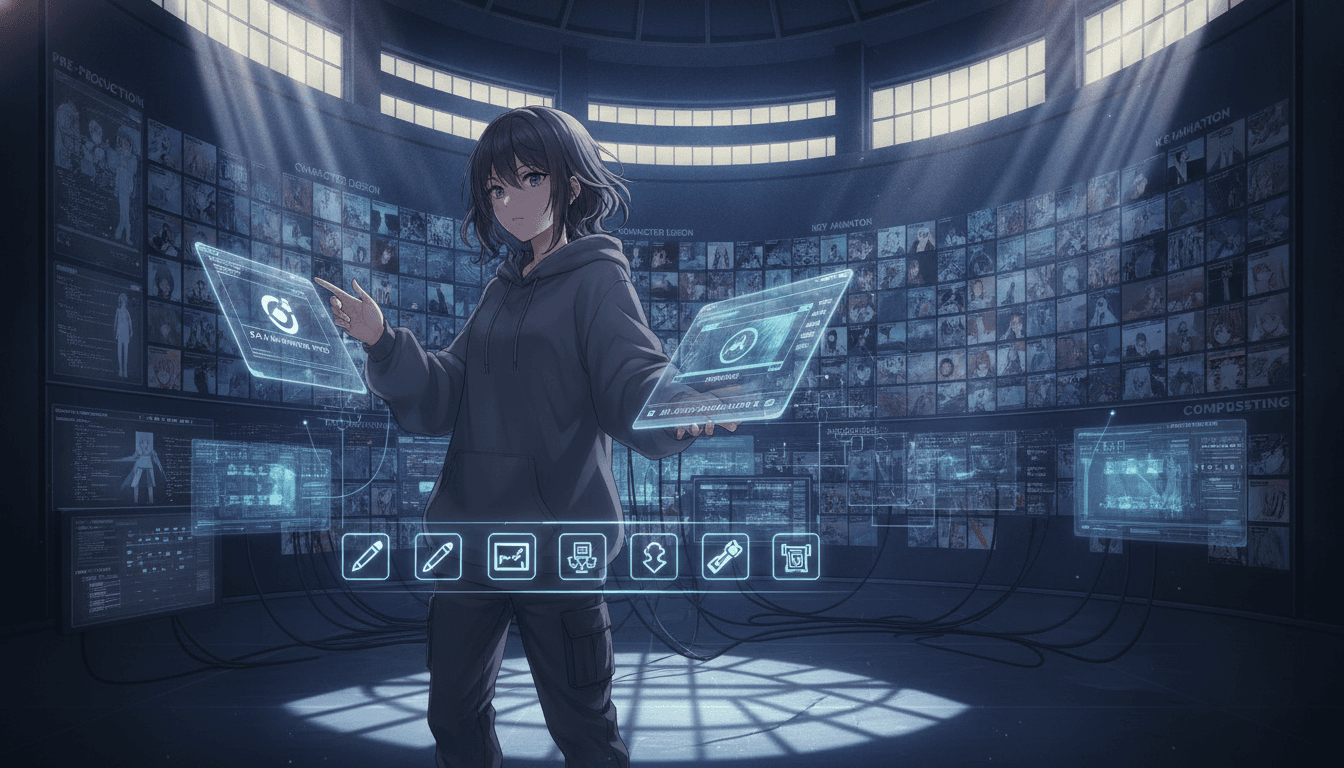
C2Anime takes a story, script, or novel chapter and returns a finished anime video: an AI Film Director plans the structure, designs a cast that keeps the same faces, hair, and outfits across every shot, writes a real screenplay, and renders voiced, dialogue-driven scenes. Built for faceless channel operators who need episodes that hold together shot to shot.
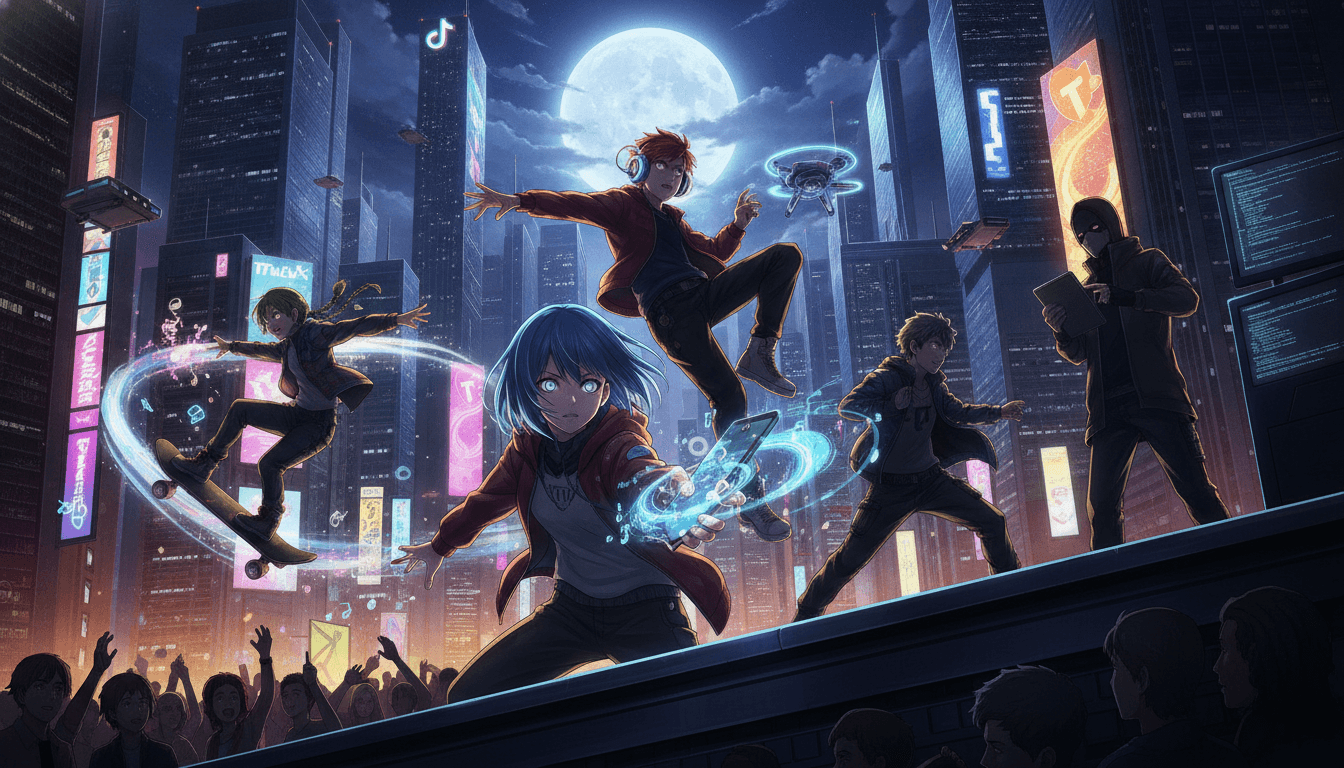
How Anime for TikTok Gets Made in C2Anime
You bring the story; the pipeline handles direction, casting, and rendering. Three stages, each one editable before you commit credits.
Drop in your script or story
Paste a script, a short story, or a novel chapter. The AI Film Director breaks it into beats and proposes a scene structure with an estimated runtime so you know what fits before rendering.
Lock the cast and screenplay
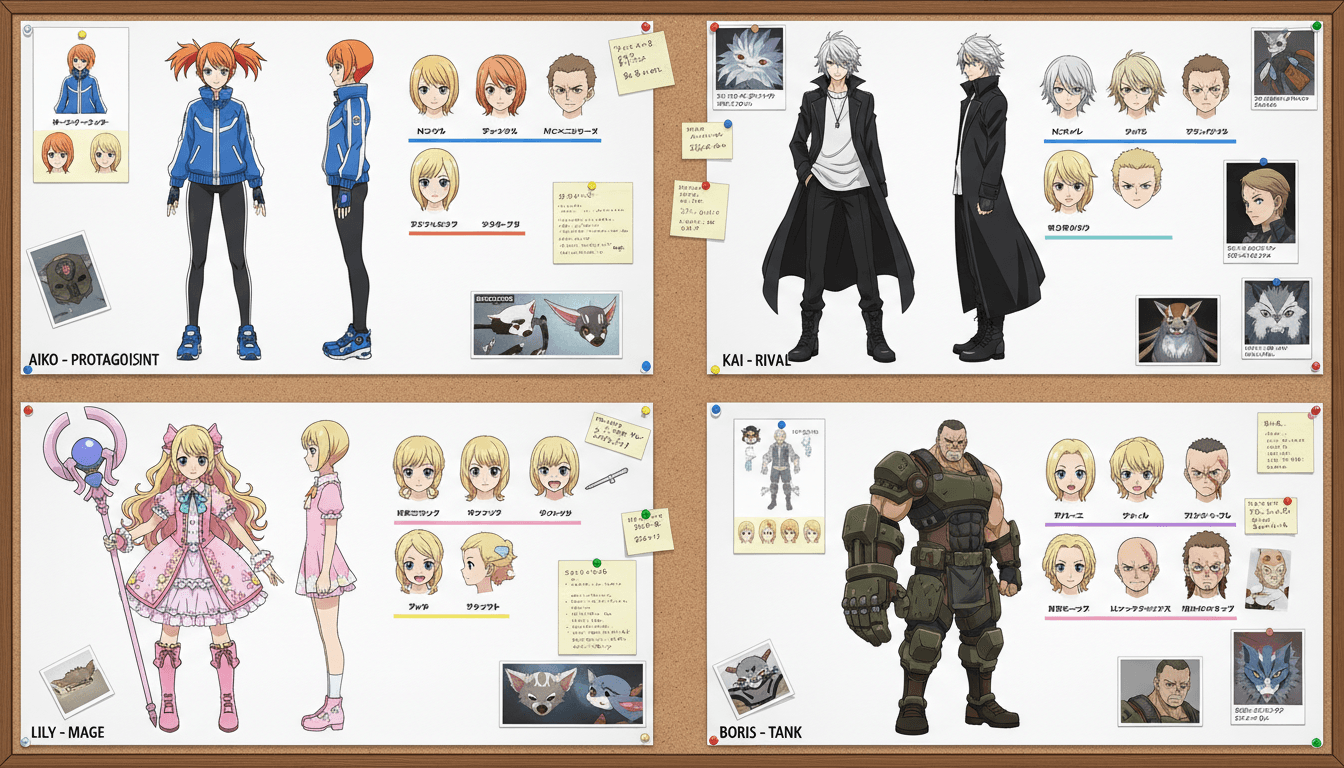
The director designs characters with fixed faces, hair, and outfits, then writes dialogue-driven scenes. You review the screenplay and cast sheets, adjust tone or lines, and approve what gets rendered.
Render voiced scenes and stitch
Scenes render with voice performance and dialogue. Export individual clips or assemble a longer piece from multiple scenes, then cut the vertical version for TikTok.
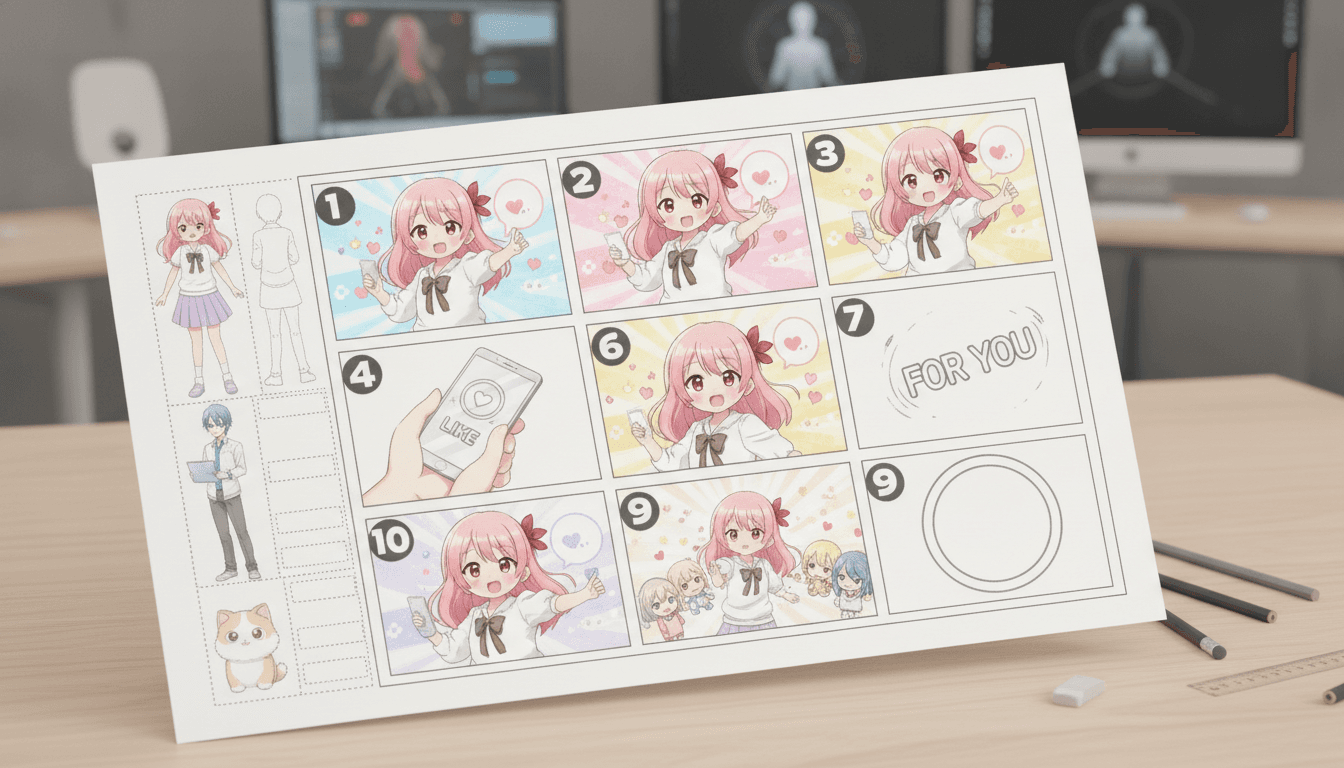
Why Faceless Channels Use Anime for TikTok From C2Anime
The hardest part of making anime for TikTok is continuity. Viewers scroll fast, but they still notice when a character's hair color flips between shots or a jacket changes design mid-scene. C2Anime's core feature is a consistent cast: the same faces, hair, and outfits across every shot in a piece. That single property is what makes a series feel like a series rather than a pile of unrelated clips.
Second, it is actual video. Scenes are rendered with voiced, dialogue-driven performance and camera framing, not a slideshow of stills with a voiceover on top. For faceless operators, that means you can build a channel identity around characters and a visual style without ever appearing on camera, and without recording your own voice for every episode.
Third, the output is shaped for short-form. Vertical framing, scene-level clips, and a stable runtime sweet spot mean you can publish a 45-second hook, a 90-second episode, or a 3-minute story, then repurpose the same scenes across platforms. You are not fighting a tool built for long horizontal films.
Anime for TikTok AI: What the Director Actually Does
The AI Film Director is not a prompt box. It reads your source material, decides where scenes begin and end, assigns emotional beats, and drafts a screenplay with spoken lines. That structure is what lets a 60-second piece land: a hook, a turn, and a button, rather than a flat recitation of narration.
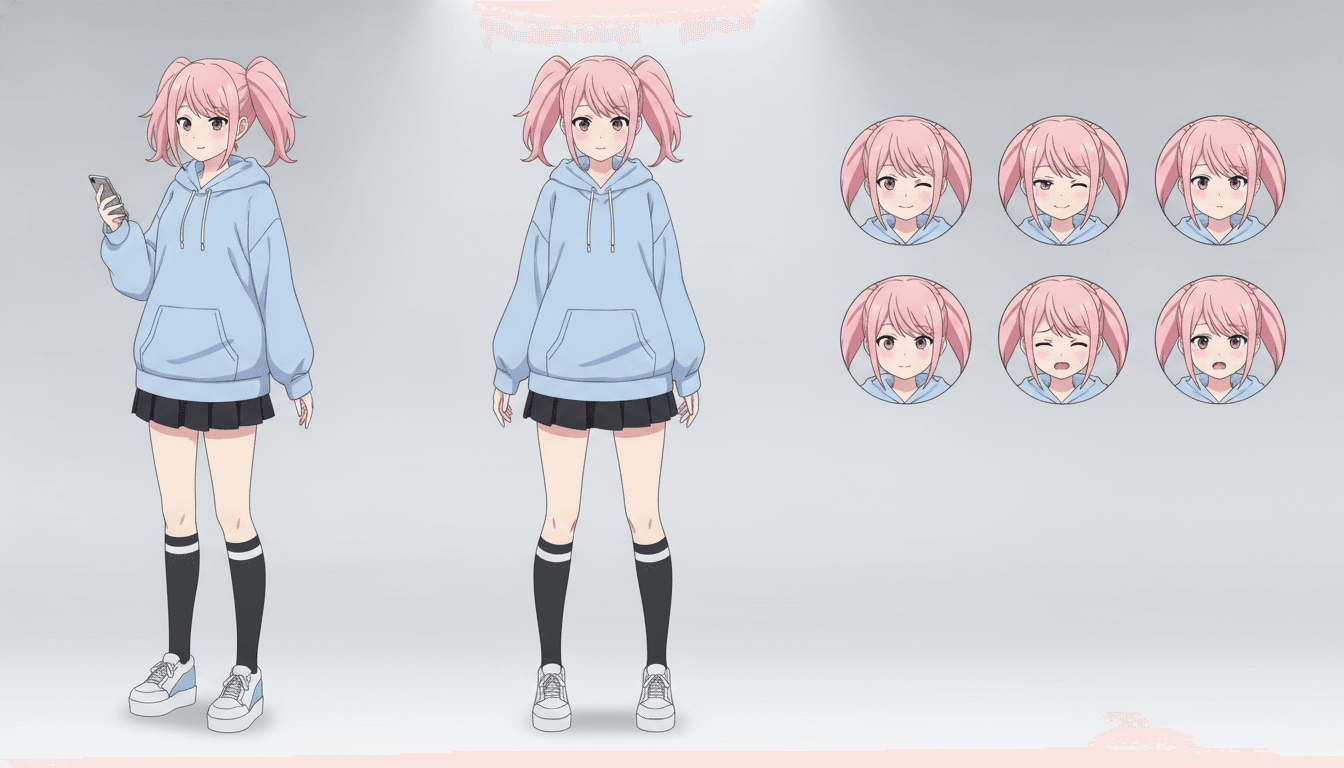
Character design is handled as a cast sheet, not a per-shot prompt. Faces, hair, and outfits are defined once and reused across scenes, so a character who appears in scene one and scene nine still looks like the same person. This is the difference between a channel that builds a following around recognizable characters and one that resets its look every upload.
Rendering runs on Seedance and MiniMax models, tuned for anime-style scene output with voiced dialogue. You approve the screenplay and cast before rendering, so credits go toward scenes you actually want. Everything is reviewable at the scene level, which matters when you are producing several episodes a week for a faceless schedule.
Features That Matter for Anime for TikTok Production
Consistent cast across every shot
Faces, hair, and outfits are defined once and reused. Characters stay recognizable from the opening hook to the final scene, which is what makes episodic content work on TikTok.
Real screenplay, not narration
The director writes scenes with spoken dialogue and emotional beats. You get voiced performance and camera framing rather than a single narrator reading over static frames.
Scene-level clips you can cut
Render individual scenes and export them separately. Build a 30-second hook from one scene or stitch several into a longer episode, then trim the vertical version for the platform.
Honest runtime planning
The stable sweet spot is roughly 30 seconds to 3-4 minutes per piece, with each single scene capped around 15 seconds. Longer runtimes are composed from multiple scenes joined together, not one long continuous clip.
Who This Is For
Faceless channel operators You run a YouTube or TikTok channel without appearing on camera. C2Anime gives you characters and a visual identity you can build a series around, with voiced dialogue handled in the render.
Writers with a backlog You have scripts, short stories, or novel chapters sitting in a folder. The director turns them into structured scenes you can review before spending credits on a render.
Series builders on a schedule You need multiple episodes a week and cannot afford a cast that changes every upload. Scene-level clips and a fixed cast sheet keep a weekly schedule visually coherent.
Anime for TikTok: Common Questions
- How long can a single anime for TikTok video be?
- The stable sweet spot is roughly 30 seconds to 3-4 minutes per finished piece. Each individual scene is capped around 15 seconds, so anything longer is composed by stitching multiple scenes together. Plan your script around scene breaks rather than one continuous shot.
- Do the characters stay consistent between scenes?
- Yes. The director designs a cast sheet with fixed faces, hair, and outfits, and that cast is reused across every shot in the piece. Consistency across scenes is the core feature, not an afterthought, because it is what makes episodic content readable to fast-scrolling viewers.
- Is anime for TikTok AI output actually video with voices?
- It is rendered video with voiced, dialogue-driven scenes and camera framing. The director writes a screenplay with spoken lines, and scenes render with voice performance. It is not a still image with narration laid over it.
- Which models does C2Anime run for anime for TikTok rendering?
- Rendering runs on Seedance and MiniMax. The pipeline is built around anime-style scene output with a consistent cast and voiced dialogue, and you approve the screenplay and cast before credits go toward rendering.
- Can I try it right now?
- C2Anime is in invite-gated Early Access with paid credit tiers. There is no free tier and no instant signup. You can review the plans at /pricing and request access, then start a project at /create once you are in.
- What kind of stories work best?
- Short arcs with a clear hook and turn work best: a confrontation, a reveal, a single emotional beat. If you are adapting true-crime, mystery, or ghost material, frame it as dramatized and inspired-by, change or omit names, avoid identifiable real victims, and stay general on open or living cases.
- Can I export individual scenes for separate posts?
- Yes. Scenes render as separate clips, so you can publish a single scene as a short hook or stitch several into a longer episode. That flexibility is useful when you want to test a character or opening on TikTok before committing to a full arc.
Turn your next script into anime for TikTok
Bring a story, get a screenplay, a consistent cast, and voiced scenes. Early Access is invite-gated with paid credit tiers, so check /pricing and start at /create when you are in.
Start your animeAnime for TikTok Production, Without the Guesswork
Anime for TikTok rewards consistency more than spectacle. A channel that posts the same characters in the same visual world every week builds recognition faster than one that chases a new look per upload. C2Anime is built around that idea: a cast sheet that holds faces, hair, and outfits steady across every scene, a director that structures your script into beats, and rendered video with voiced dialogue instead of a narrated slideshow.
The runtime model is deliberately honest. Single scenes cap around 15 seconds, finished pieces sit in a stable 30-second to 3-4 minute range, and longer runtimes are assembled from multiple scenes. That matches how short-form actually works: a hook scene, a turn, a button. You plan in scenes, render in scenes, and cut the vertical version for the platform.
For faceless operators, the practical win is throughput with continuity. You can move from a script or novel chapter to a reviewable screenplay and cast, approve what renders, and export scene-level clips for a weekly schedule. Rendering runs on Seedance and MiniMax, and every stage is reviewable before credits are spent.
C2Anime is in invite-gated Early Access with paid credit tiers. There is no free tier and no instant signup, so review /pricing and request access, then begin a project at /create. If you are adapting true-crime, mystery, or ghost stories, treat them as dramatized and inspired-by, change or omit names, and keep open or living cases general.