How to Make a Short Drama in Anime Form
C2Anime turns your script into a finished anime short drama — with a consistent cast, real dialogue, and voiced scenes. It plans the structure, writes the screenplay, and renders each shot as video. Best for 30-second to 3–4 minute pieces built from multiple short scenes.
How to Make a Short Drama, Step by Step
The workflow is built for vertical micro-drama: you bring the premise and script, C2Anime handles direction, casting consistency, and rendering. Each scene is generated as its own clip, then assembled into the full episode.
Bring your premise and script
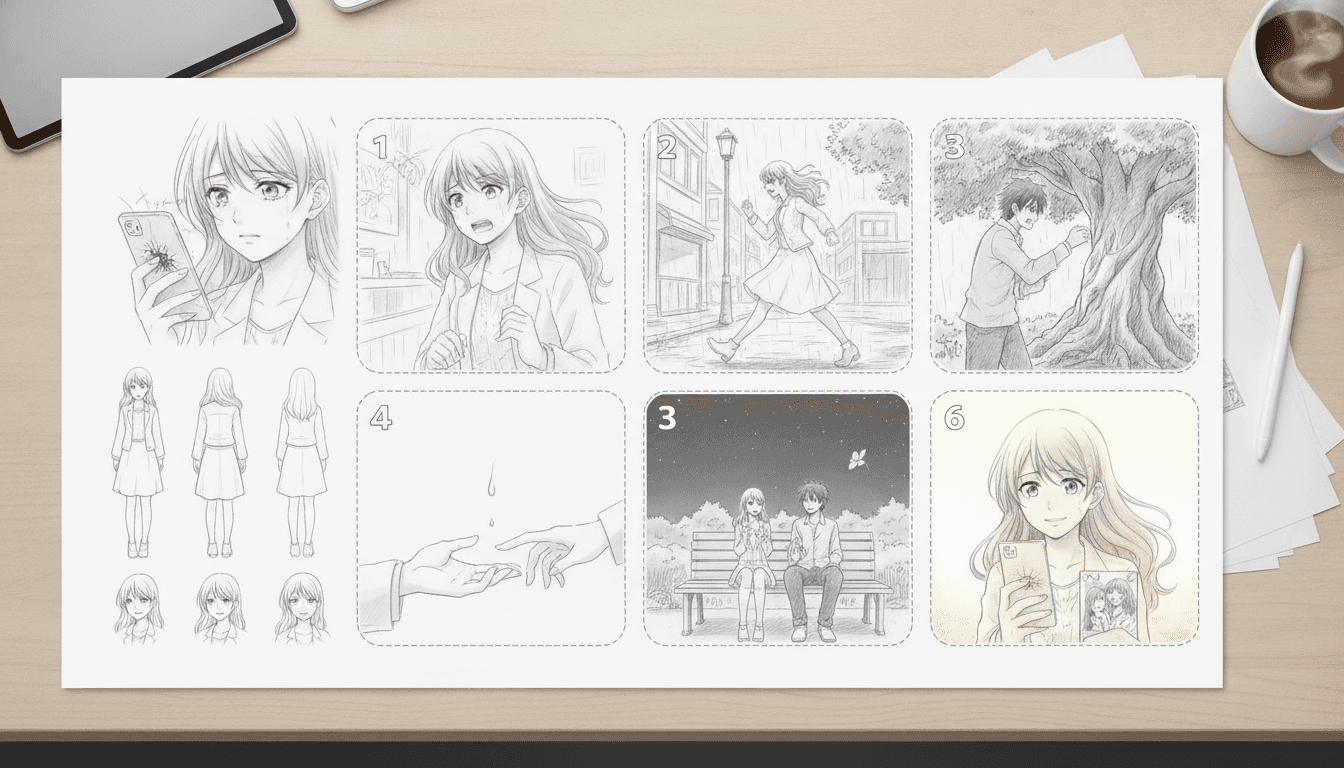
Paste a logline, outline, or full script. The AI Film Director maps your story into scenes, beats, and dialogue so the episode has a clear hook, turn, and payoff.
Lock the cast and design shots
C2Anime designs each character once — face, hair, outfit — and reuses that design across every shot. You review the screenplay and shot list before rendering begins.
Render scenes and assemble
Each scene renders as a voiced, dialogue-driven anime clip, typically 5–15 seconds. You stitch the clips into a 30-second to 3–4 minute episode, or build a longer runtime from multiple segments.
Why This Approach Works for Short Drama
Learning how to make a short drama is mostly a consistency problem: the audience forgives simple sets, but not a character whose face changes between shots. C2Anime treats the cast as a fixed asset, so the same faces, hair, and outfits carry from the opening hook to the final beat.
Micro-drama lives on tight pacing. The director plans each scene around a single dramatic function — reveal, reversal, confrontation — which keeps clips short and the episode moving. You are not padding runtime; you are stacking motivated beats.
Because every scene renders as video with voiced dialogue, you can judge timing the way a viewer will. That makes revision concrete: swap a line, re-render one scene, keep the rest of the episode intact.
A Short Drama Tutorial: Structure, Scenes, and Runtime
A practical short drama tutorial starts with length. C2Anime's stable sweet spot is roughly 30 seconds to 3–4 minutes per piece, with each single scene kept to about 15 seconds or less. Longer runtimes are composed by joining multiple scenes — there is no single long continuous clip.
Structure for vertical micro-drama: open on the conflict within the first few seconds, establish stakes through one line of dialogue, then alternate reversals and reveals in short scenes. Write dialogue that can be spoken in the clip length you have; a 12-second scene holds roughly two to three short exchanges.
For mystery or true-crime-adjacent stories, frame the episode as dramatized and inspired-by. Change or omit real names, avoid identifiable real victims, never accuse a named person, and stay general on open or living cases. The goal is dramatic tension, not a claim about real events.
Features That Support How to Make a Short Drama
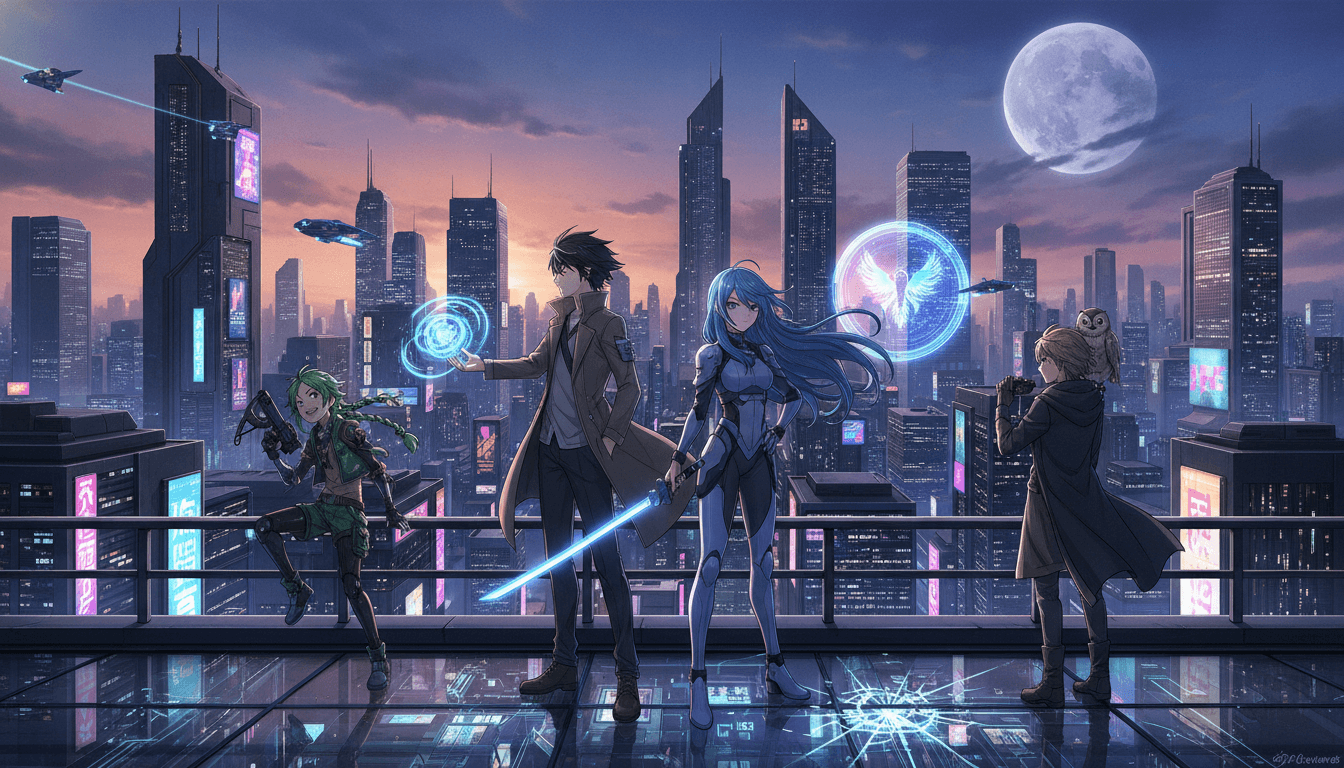
Consistent cast across shots
Characters keep the same face, hair, and outfit from scene to scene, which is the hardest part of anime micro-drama to get right by hand.
Real screenplay, not prompts
The director writes scene action and dialogue you can edit, so you revise the story before spending render time.
Voiced, dialogue-driven scenes
Each clip renders as anime video with spoken lines, so you can check pacing and performance in context.
Scene-by-scene assembly
Short clips render individually and combine into a 30-second to 3–4 minute episode, or a longer cut built from multiple segments.
Who This Guide Is For
Vertical short-drama creators You publish episodic micro-drama and need a repeatable pipeline for cast consistency and fast scene iteration.
Writers adapting scripts You have a script or outline and want to see it as voiced anime scenes without assembling a full animation team.
Small studios testing formats You are prototyping anime micro-drama series and need to judge pacing and character appeal before committing to a larger production.
FAQ: How to Make a Short Drama with C2Anime
- How long can a single C2Anime video be?
- The stable range is about 30 seconds to 3–4 minutes per piece. Individual scenes are kept to roughly 15 seconds or less. Longer runtimes are assembled from multiple scenes rather than rendered as one long clip.
- Do I need animation experience to make a short drama?
- No. You bring the premise and script; C2Anime plans structure, designs the cast, writes the screenplay, and renders voiced scenes. Your main job is reviewing the story and pacing.
- How do I keep characters consistent across scenes when I make a short drama?
- C2Anime designs each character once and reuses that design across every shot. Faces, hair, and outfits stay fixed, which is the main reason the episodes read as one continuous story.
- Is the output video or a picture book?
- It is video. Each scene renders as an anime clip with voiced dialogue, and you combine clips into the finished episode.
- Can I use true-crime or mystery material?
- Yes, framed as dramatized and inspired-by. Change or omit real names, avoid identifiable real victims, never accuse a named person, and stay general on open or living cases.
- How do I get access?
- C2Anime is in invite-gated Early Access with paid credit tiers. There is no free tier and no instant signup; check the pricing page for current access details.
Ready to make your first episode?
Bring a script or outline and see how C2Anime directs it into voiced anime scenes with a consistent cast.
Start your animeShort Drama Production with C2Anime
If you are researching how to make a short drama in anime style, start with a script you can edit and a cast you can lock. C2Anime handles direction, screenplay, and rendering so you can focus on story beats and pacing.
Plan around the length limits: 30 seconds to 3–4 minutes per piece, scenes of about 15 seconds, and longer runtimes built from multiple segments. This keeps every episode tight and gives you room to expand a series scene by scene.
C2Anime is invite-gated Early Access with paid credit tiers. Review the pricing page for access and credits, then bring your next micro-drama premise to the create page when you are ready.