Horror story to anime, scare by scare
You have a horror story that reads terrifyingly on the page and falls flat the moment you try to make it move. C2Anime turns a horror story to anime by planning every scare as a shot, designing a cast that stays recognisable, and rendering voiced scenes where the dread actually builds instead of resetting.
How to turn a horror story to anime
Three stages, in this order. The order is why the fear lands instead of leaking out between shots.
Paste the horror story
Drop in a creepypasta, a short story or a single scene. C2Anime reads it looking for the moment the dread lands — the thing the whole piece is building toward.
It plans each scare as a shot
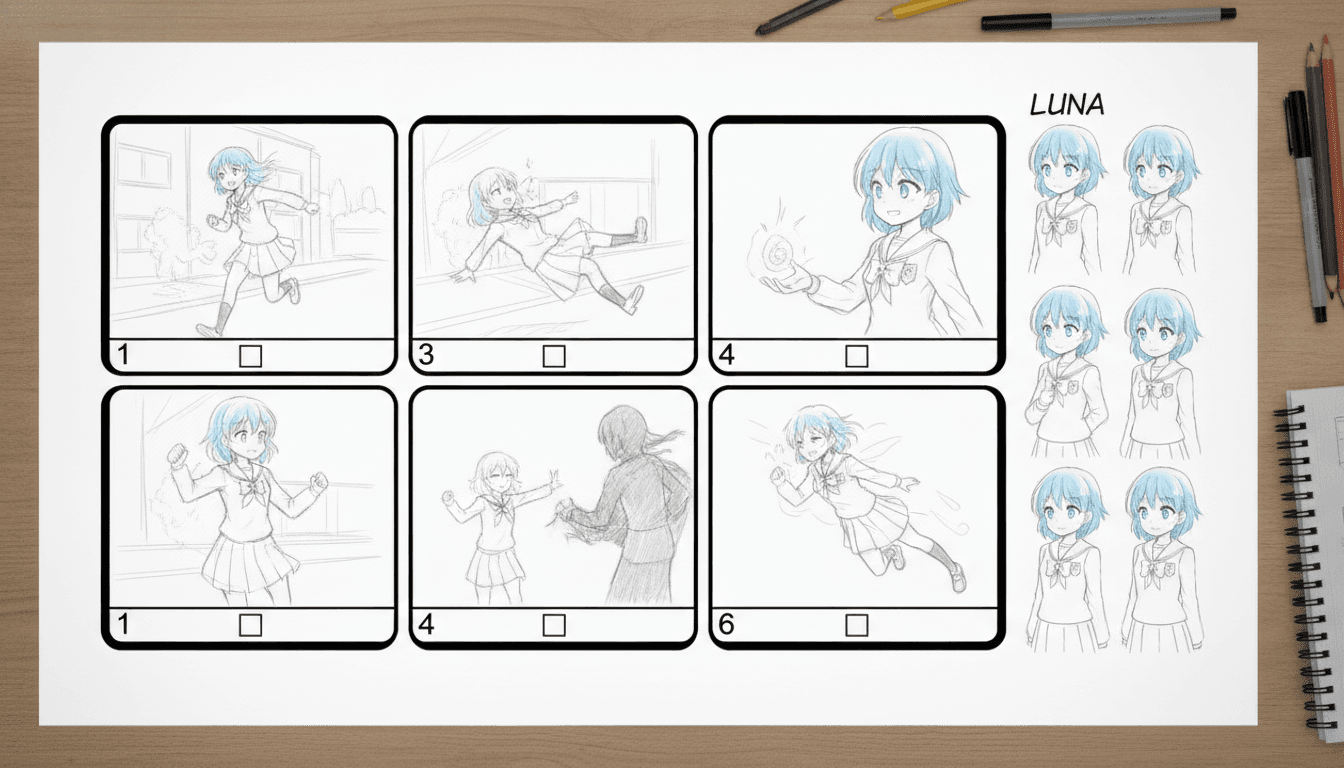
Structure first: where the tension builds, where it breaks, what the audience sees and when. You review the beat plan before anything renders.
It renders the anime
Every scene is staged, voiced and rendered with the cast C2Anime designed, so the thing stalking your protagonist looks the same in the last shot as the first.
Why one-shot generators kill the scare
Horror is the genre that punishes inconsistency hardest. Generate a scary clip one prompt at a time and the figure in the doorway changes shape between cuts, the hallway gets longer, the light flips from dusk to noon. The audience stops being afraid the instant the world stops being stable.
Fear is built on recognition and anticipation. You need the same thing to come back, the same room to feel wrong a second time, the same sound to mean something it did not mean before. A tool with no memory of the previous shot cannot do any of that.
C2Anime plans the whole piece before rendering a frame. It knows what the scare is, what sets it up and which shot pays it off — so the tension has somewhere to go.
The thing in the dark has to stay the same thing
Ask anyone who has tried to make horror with AI what breaks first and it is always the monster. It morphs. A detail appears in one shot and vanishes in the next. The silhouette you were taught to fear is suddenly a different silhouette, and the dread you built drains away.
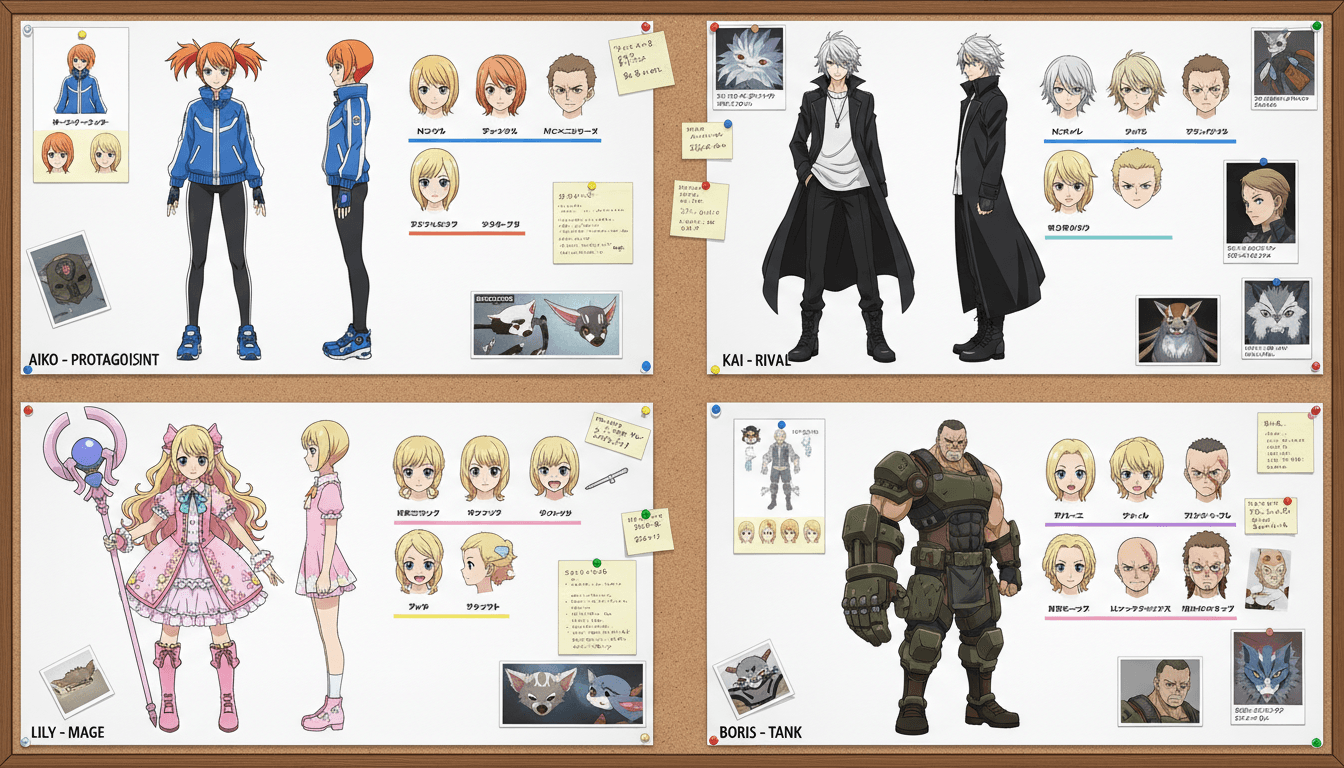
C2Anime designs your creature and your cast once, up front, and treats those designs as fixed references for the rest of the render. When the figure steps back into frame in the final scene, it is not being reinvented — it is the same thing, and the audience knows it.
That consistency is what makes a series possible: a recurring monster across episodes, a haunted place people return to, a slow burn told over more than one upload.
What a horror anime video maker has to get right
A monster that stays the same
The scare only works if the thing is recognisable. C2Anime designs your creature and cast once and reuses those designs across every shot, so dread compounds instead of resetting.
Mood held across scenes
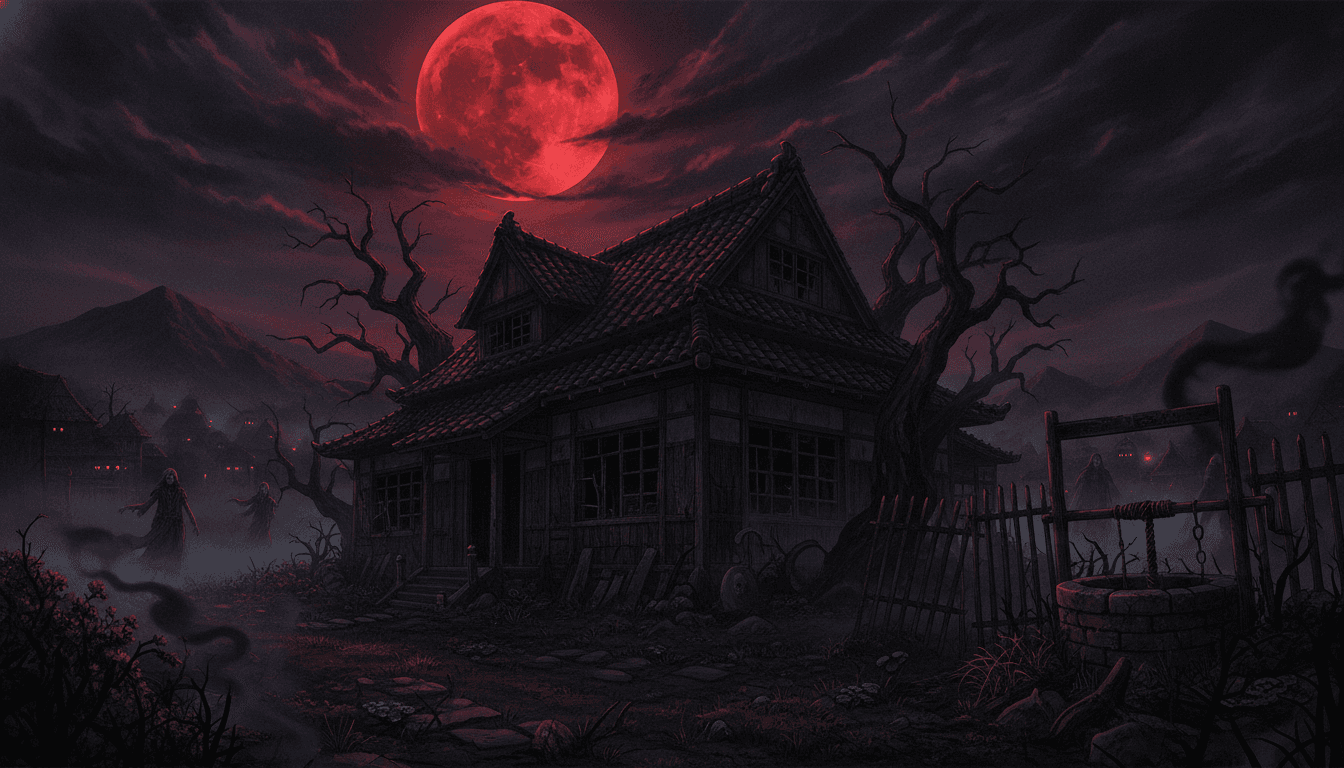
Night, fog, a single flickering light — the atmosphere is planned up front, so the tone does not swing from scene to scene the way one-shot generators do.
Voices, whispers and silence
Horror lives in sound. Characters speak in their own voices, and C2Anime builds scenes around dialogue and pauses rather than narration over stills.
Setups that pay off
Because the whole piece is planned before rendering, an early detail can come back at the end — the shape of a real scare, not a random clip.
Who this is for
Horror short-form creators. You already write scares that work as text. What you have never had is a way to make them move without a render team. Hand C2Anime the story and get back a scene that plays.
Creepypasta narrators. A voice over a black screen only goes so far. Turning a horror story to anime gives the thing you are describing a face viewers can be afraid of.
Writers building a horror series. One-off clips do not build dread across a channel. A recurring monster and a recognisable haunted world do, and that is exactly what a consistent cast is for.
Horror story to anime: common questions
- What is a horror story to anime maker?
- A horror story to anime maker turns written horror — a creepypasta, a short story, a scene — into a voiced anime video. C2Anime reads the story, plans each scare as a shot, designs a consistent cast and renders the scenes so the finished piece plays like a short horror anime rather than a set of disconnected clips.
- Will the monster look the same in every scene?
- Yes, and that is the whole point. C2Anime designs your creature and characters once, then reuses those references for every scene they appear in. A scare that keeps resetting because the thing looks different each shot is not scary — holding the design is what lets the dread build.
- What kind of horror stories work best?
- Short, focused pieces with a clear build and payoff adapt most cleanly: creepypastas, campfire tales, urban legends, a single haunted-house scene. Longer work adapts too, but a tight story with one strong scare is the easiest place to start turning a horror story to anime.
- Can I control how graphic it is?
- You direct the tone. C2Anime leans on atmosphere, staging and sound — the dread of what you do not quite see — rather than gore. You review the plan before anything renders, so you can push a scene darker or pull it back.
- Does it add voices and sound?
- Characters get their own voices and keep them, and scenes are built around dialogue, whispers and the pauses between them. Horror depends on sound as much as image, so the audio is part of the plan rather than an afterthought.
- How long can the horror anime be?
- Long enough to tell a complete short — a build, a turn and a payoff — rather than a single five-second clip. Length depends on your plan and how many scenes the story needs to land the scare.
- Do I need animation experience?
- No. C2Anime handles staging, casting, timing and sound. What you bring is a horror story worth telling and a point of view on how frightening it should feel.
Bring the scare. Leave with an anime.
C2Anime handles the staging, the cast and the sound. You stay the director of the dread.
Start your horror animeTurning a horror story to anime that actually frightens
Taking a horror story to anime is a different job from generating a single scary image. A generator answers one prompt and forgets it the moment the next one arrives. C2Anime takes responsibility for a whole short: it reads your source — a creepypasta, an urban legend, a scene from a longer piece — proposes a structure, designs a cast and a creature, writes dialogue, and renders scene after scene against that plan. The plan stays visible and editable at every step, so directing a scare feels closer to working with a storyboard artist than to typing into a box.
The reason to want a horror anime video maker that plans ahead instead of a shot-by-shot workflow comes down to continuity, and horror lives or dies on continuity. The same figure has to return looking like the same figure. The same corridor has to feel wrong the second time you are in it. A noise from early on has to mean something when it comes back. Tools that render each shot in isolation cannot deliver any of that, because nothing in them remembers what came before. By fixing the character references and planning the full runtime first, C2Anime keeps the thing you are afraid of stable from the opening shot to the last frame.
This matters most for anything longer than a single beat. A five-second clip can survive a little drift. A horror short with a build and a payoff cannot, and a horror series definitely cannot. If your ambition is a recurring monster, a haunted place viewers return to, or a faithful adaptation of a scary story to video you have already written, the production has to be planned as a whole rather than guessed shot by shot.
C2Anime works from whatever you already have: a one-line premise, a full creepypasta, a scene, a finished short story. It stages the scares, casts and holds the voices, leans on atmosphere and sound over gore, and renders anime with dialogue and dread at its centre rather than narration over stills. Bring the horror story — C2Anime will direct the anime.