The Dreamina alternative for anime creators who need a real workflow
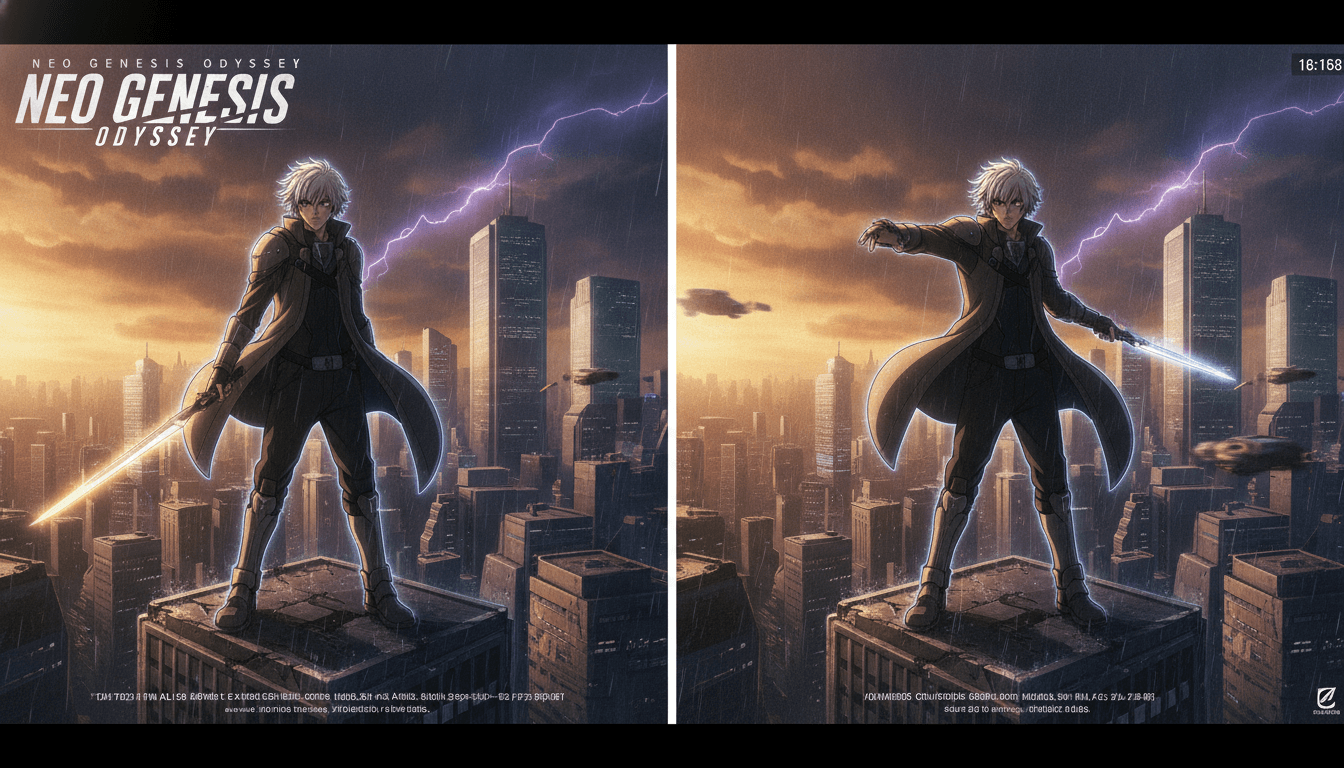
Dreamina is a general AI creative suite for images, video, and avatars. C2Anime is built specifically for anime video: design a consistent cast, plan a screenplay, add voiced dialogue, then render. If your goal is an anime story rather than a one-off clip, this page explains the difference.
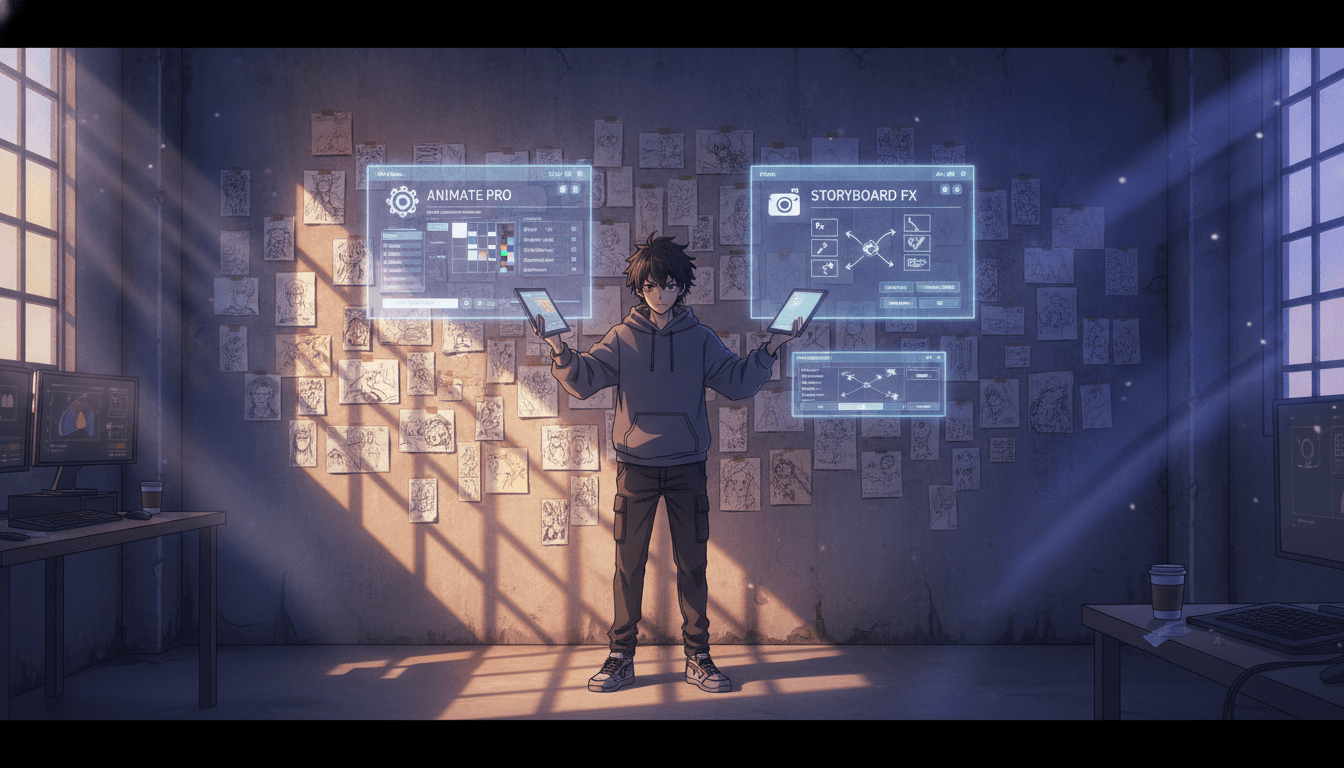
How C2Anime works for an anime project
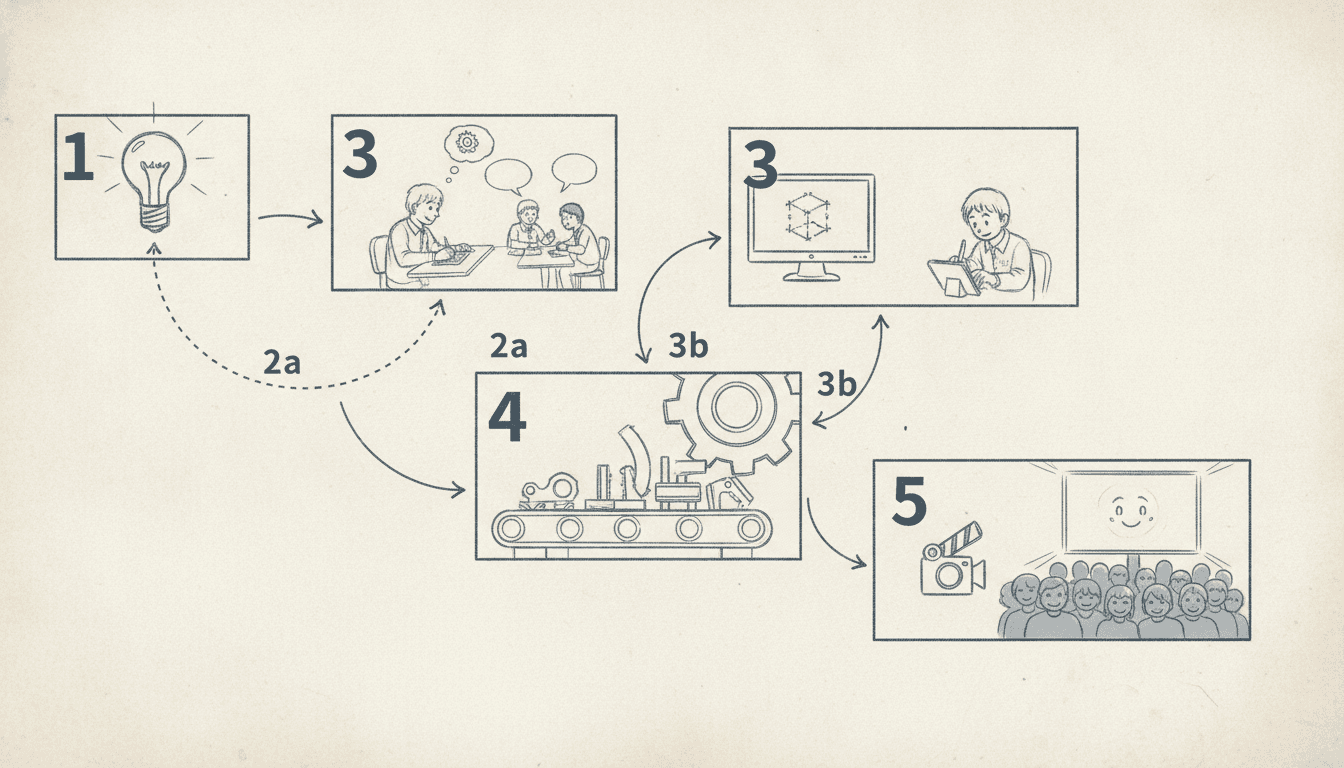
C2Anime is an anime-first video tool in invite-gated Early Access. Rather than starting from a single prompt, you build the pieces of an anime episode in order: cast, script, dialogue, then render.
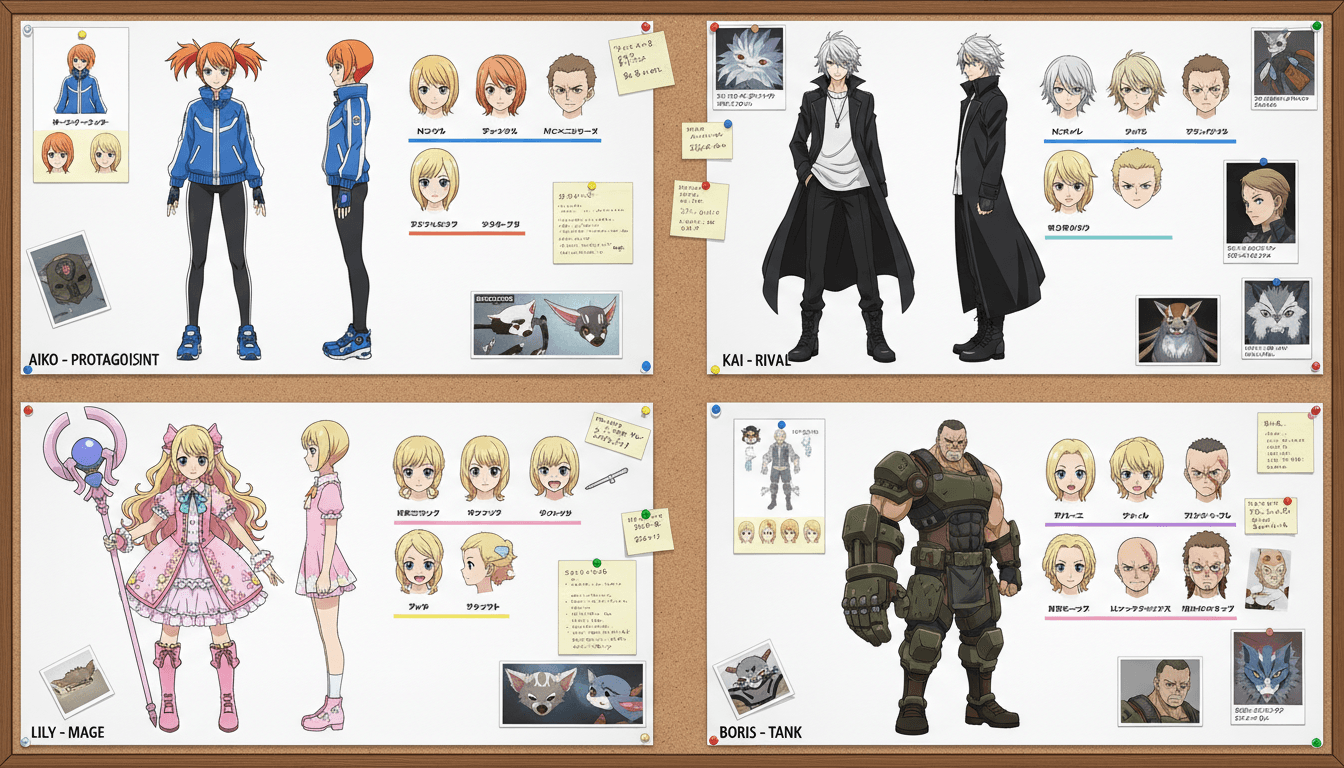
Design your cast once
Create your anime characters as reusable assets—faces, outfits, and defining traits—so the same cast appears across scenes instead of being re-described from scratch each time.
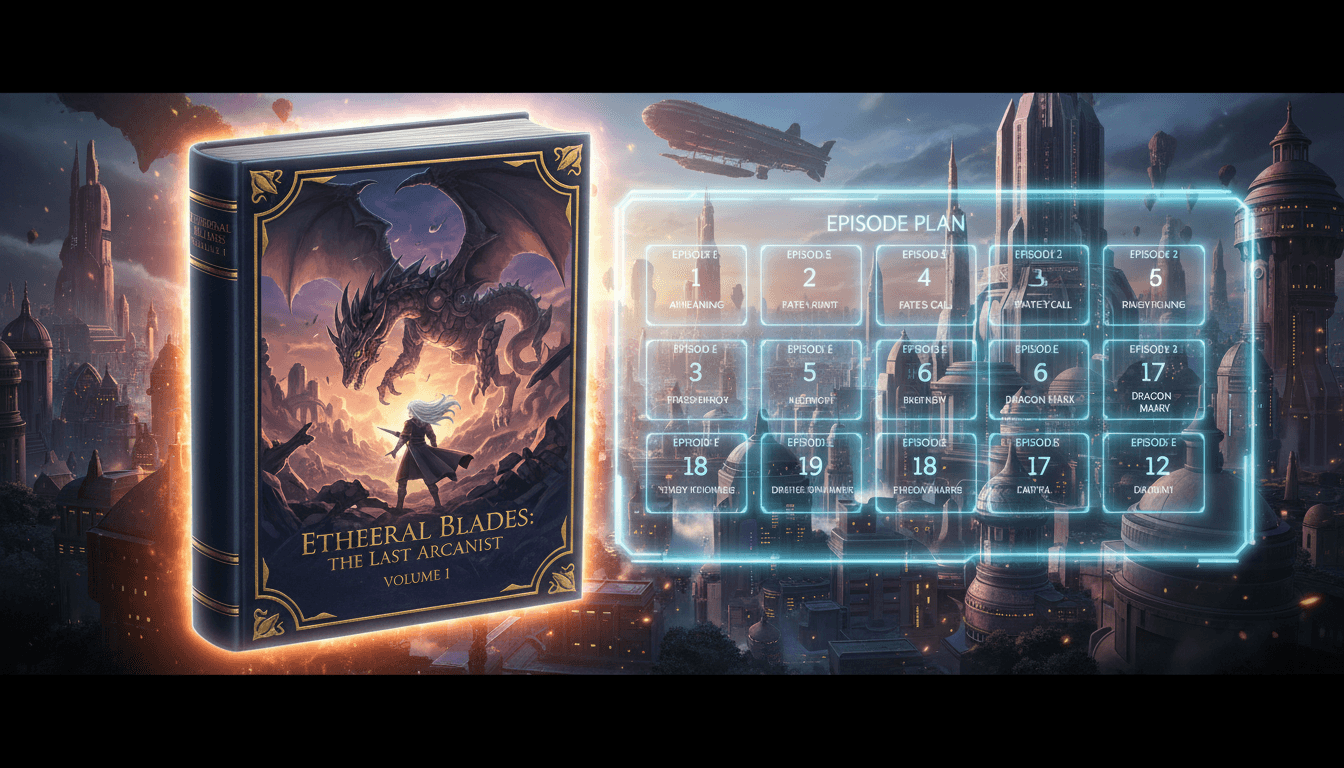
Plan the screenplay before rendering
Write and arrange the story as a screenplay with scenes and beats. You decide what happens before any video is generated, which keeps the narrative coherent rather than stitching unrelated clips.
Add voiced dialogue and render
Attach spoken lines to your characters, then render the scenes. C2Anime runs on Seedance and MiniMax models to generate the anime video from your planned screenplay and cast.
Dreamina vs C2Anime: an honest comparison
Dreamina, by CapCut, is an all-in-one AI creative platform for generating images, videos, and talking avatars from text, photos, or audio, with free daily credits. It is a broad creative suite meant for many kinds of content, and it is not anime-specific. C2Anime differs by being built around anime storytelling: a consistent cast you design once and reuse, a screenplay you plan before rendering, and voiced dialogue—so the output is an anime episode rather than a collection of clips. Neither approach is universally better; they suit different jobs.
If you need a quick image or a short talking-avatar video for social media, a general platform like Dreamina covers a wide range of tasks in one place. If you are making an anime video with recurring characters and a script, the anime-first structure of C2Anime is the reason to consider it as a Dreamina alternative for anime. The trade-off is focus: C2Anime is narrower by design.
C2Anime is invite-gated Early Access with paid credit tiers, so it is not a free drop-in replacement. Dreamina offers free daily credits, which makes it easy to try. We describe both plainly so you can decide which fits your anime project and budget.
What choosing C2Anime for an anime project looks like
You start with character design, not a prompt. You define your protagonist and supporting cast once—their look, palette, and traits—and reuse those assets across episodes. This is the core of C2Anime's anime-first approach: consistency over one-off generation.
Next you write the screenplay. Scenes, beats, and dialogue are laid out before rendering, so the story is planned rather than improvised. When you render, C2Anime uses Seedance and MiniMax models to turn your planned scenes and cast into anime video with voiced dialogue.
Because C2Anime is in invite-gated Early Access with paid credit tiers, you should expect to join a waitlist and budget for credits. It is not positioned as a free tool. If you want an anime-specific workflow and are comfortable with that, C2Anime is designed for you; if you need a free, general creative suite today, Dreamina is the more immediate option.
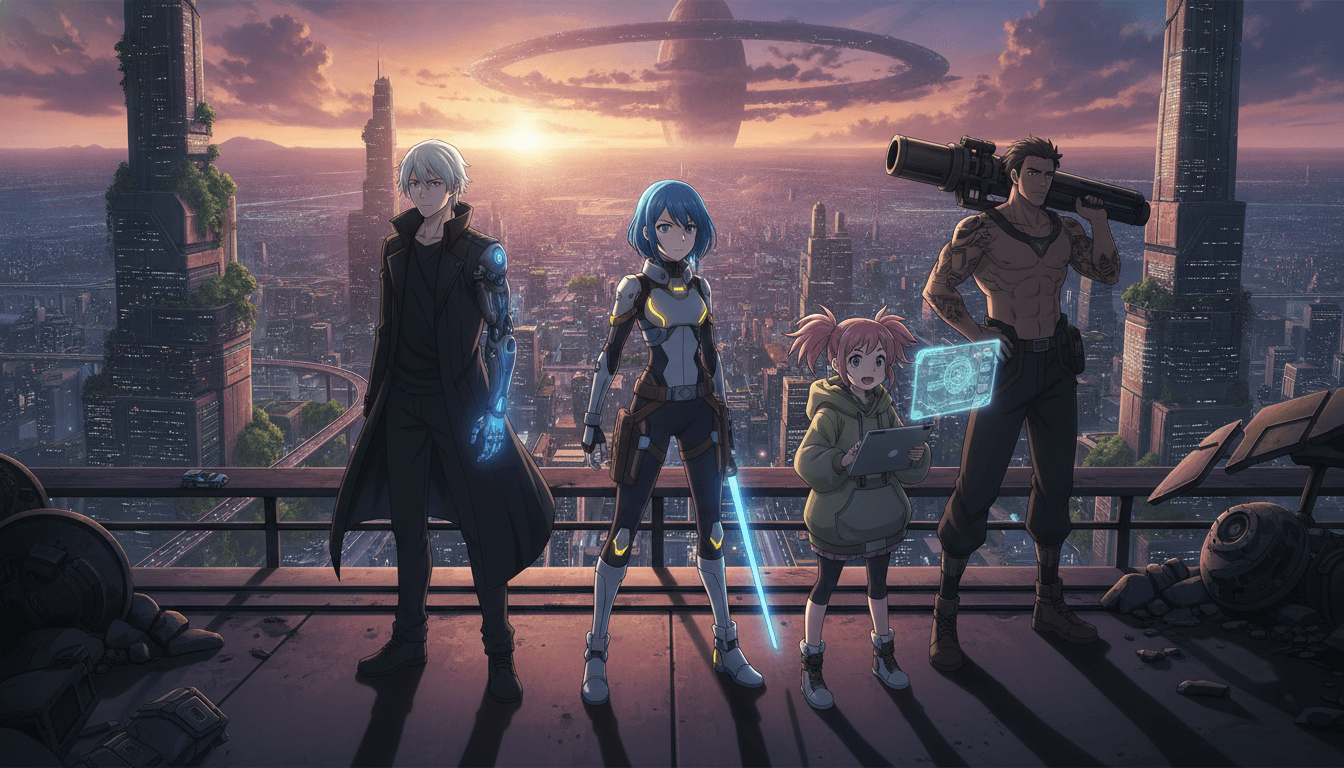
What C2Anime does for anime
Consistent cast, designed once
Build reusable anime characters so the same faces and outfits carry across scenes and episodes, reducing the drift that comes from re-prompting each shot.
A screenplay before rendering
Plan scenes and story beats in a screenplay structure first, then render. This keeps the anime narrative coherent and makes revisions easier to manage.
Voiced dialogue
Attach spoken lines to your characters so scenes include dialogue, not just visuals—useful for anime storytelling where performance matters.
Anime-first video output
C2Anime is built for anime video and runs on Seedance and MiniMax models. It is a focused tool, not a general image-and-avatar suite.
Who should consider C2Anime
Anime storytellers with recurring characters. If your project depends on a consistent cast across multiple scenes or episodes, C2Anime's design-once, reuse-everywhere approach is built for that.
Creators who plan before they render. If you want to write a screenplay and arrange scenes before generating video, C2Anime's workflow matches that order of work.
Teams comfortable with Early Access and paid credits. C2Anime is invite-gated Early Access with paid credit tiers. If you need a free, general-purpose suite right now, Dreamina is the more suitable starting point.
Frequently asked questions
- Is C2Anime a good Dreamina alternative for anime?
- It can be, if your priority is an anime-specific workflow: a consistent cast, a planned screenplay, and voiced dialogue. Dreamina is a general creative suite with free daily credits and broad image, video, and avatar generation. C2Anime is narrower and invite-gated with paid credit tiers. The right choice depends on whether you need anime-first structure or a free general tool.
- Does C2Anime use Dreamina?
- No. C2Anime runs on Seedance and MiniMax models. It does not use Dreamina or any other named model beyond those.
- Is C2Anime free?
- No. C2Anime is invite-gated Early Access with paid credit tiers. There is no free tier promised. Dreamina, by contrast, offers free daily credits.
- What can Dreamina do that C2Anime does not focus on?
- Dreamina is an all-in-one platform for generating images, videos, and talking avatars from text, photos, or audio. C2Anime focuses on anime video with a cast, screenplay, and dialogue. If you need broad image and avatar generation, Dreamina covers more ground.
- Can I make a consistent anime cast in C2Anime?
- Yes. C2Anime is designed around designing a cast once and reusing it across scenes, which supports consistency in anime storytelling.
- How do I get access to C2Anime?
- C2Anime is in invite-gated Early Access. Join the waitlist to request access; paid credit tiers apply once you are in.
Ready to plan your anime video?
Join the C2Anime Early Access waitlist and see whether an anime-first workflow fits your project. Compare it fairly with Dreamina and choose what suits your story.
Start your animeA fair comparison for anime creators
This page compares C2Anime and Dreamina only. Dreamina is a general AI creative platform by CapCut with free daily credits. C2Anime is an anime-first video tool in invite-gated Early Access with paid credit tiers, running on Seedance and MiniMax models.
We do not claim C2Anime is cheaper, faster, or better than Dreamina. They serve different needs: broad creative generation versus anime-specific storytelling with a consistent cast, screenplay, and voiced dialogue.
Choose Dreamina if you want a free, general suite for images, videos, and avatars. Consider C2Anime if you are making an anime video and want a workflow built around cast, script, and dialogue.
C2Anime is video, not picture books. Access is invite-gated; no free tier or unlimited use is offered.