How to Make a Horror Anime for Faceless Horror, True-Crime and Mystery Channels
C2Anime turns your story or script into a finished anime video: an AI Film Director plans the structure, locks a consistent cast across every shot, writes a real screenplay, and renders voiced, dialogue-driven scenes. Built for creators who need atmosphere, recurring characters and a clear narrative arc without a studio.
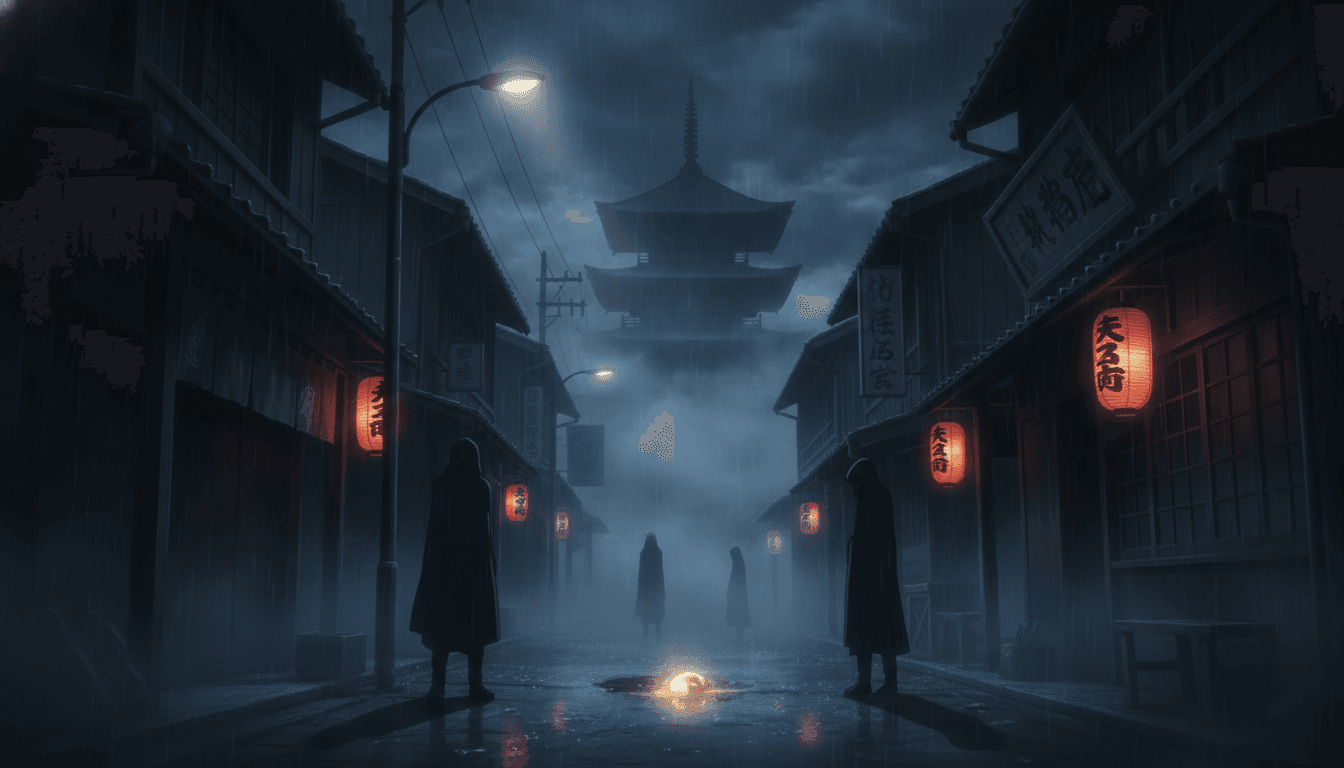
How to Make a Horror Anime in Three Moves
The workflow is the same whether you are dramatizing a mystery, a ghost story or a fictional case file: bring the script, let the director plan it, then render the scenes you need.
Bring the script, not a prompt
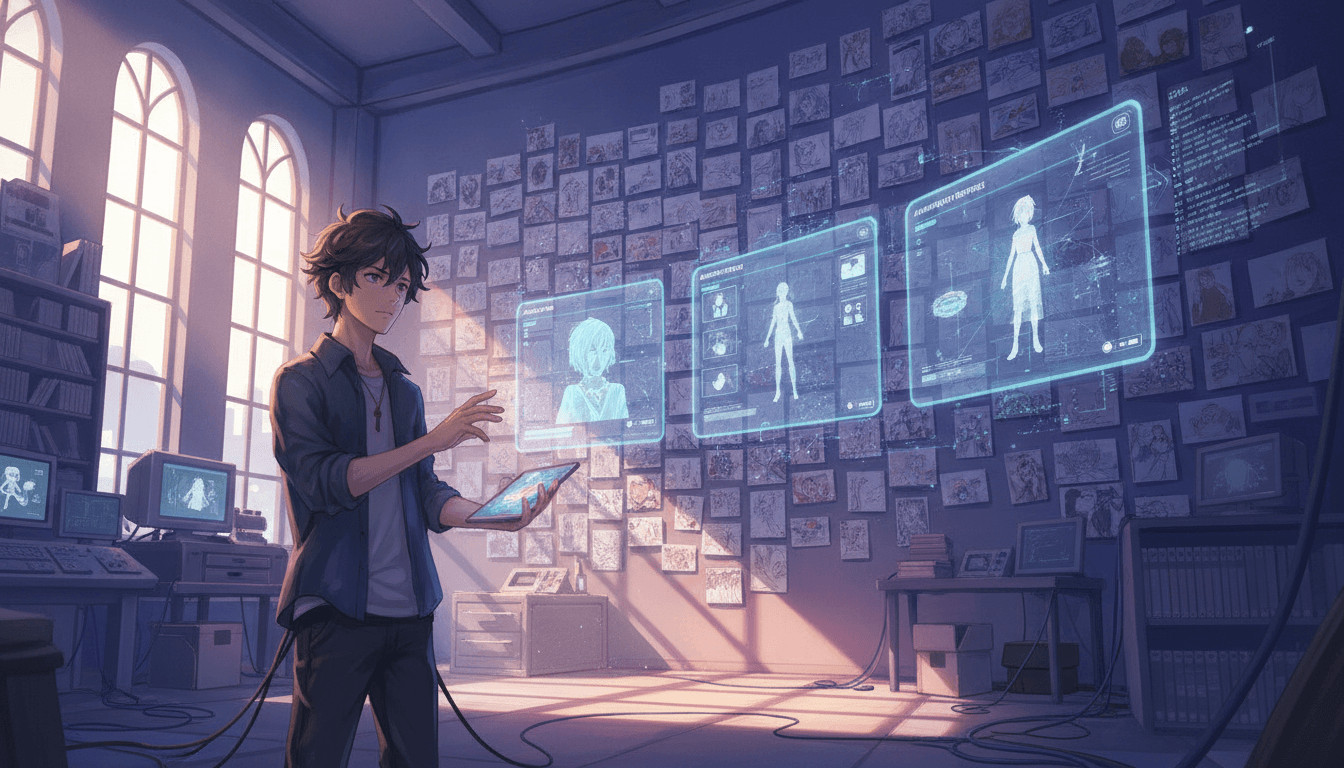
Paste your story, outline or full screenplay. C2Anime reads it as narrative material and plans structure, beats and scene order before any rendering begins.
Lock the cast
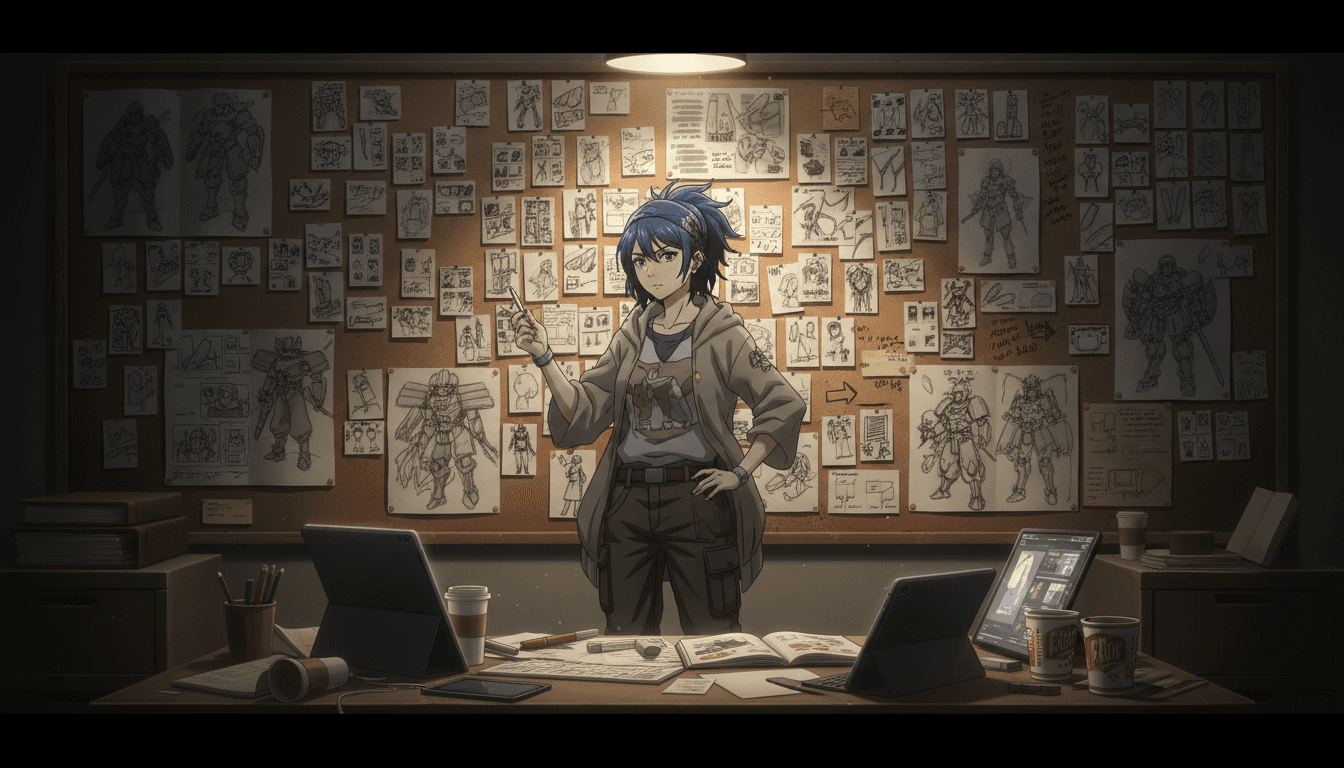
The AI Film Director designs your characters once and keeps the same faces, hair and outfits across every shot — the detail that makes a recurring horror protagonist feel real instead of recast in each scene.
Render voiced scenes
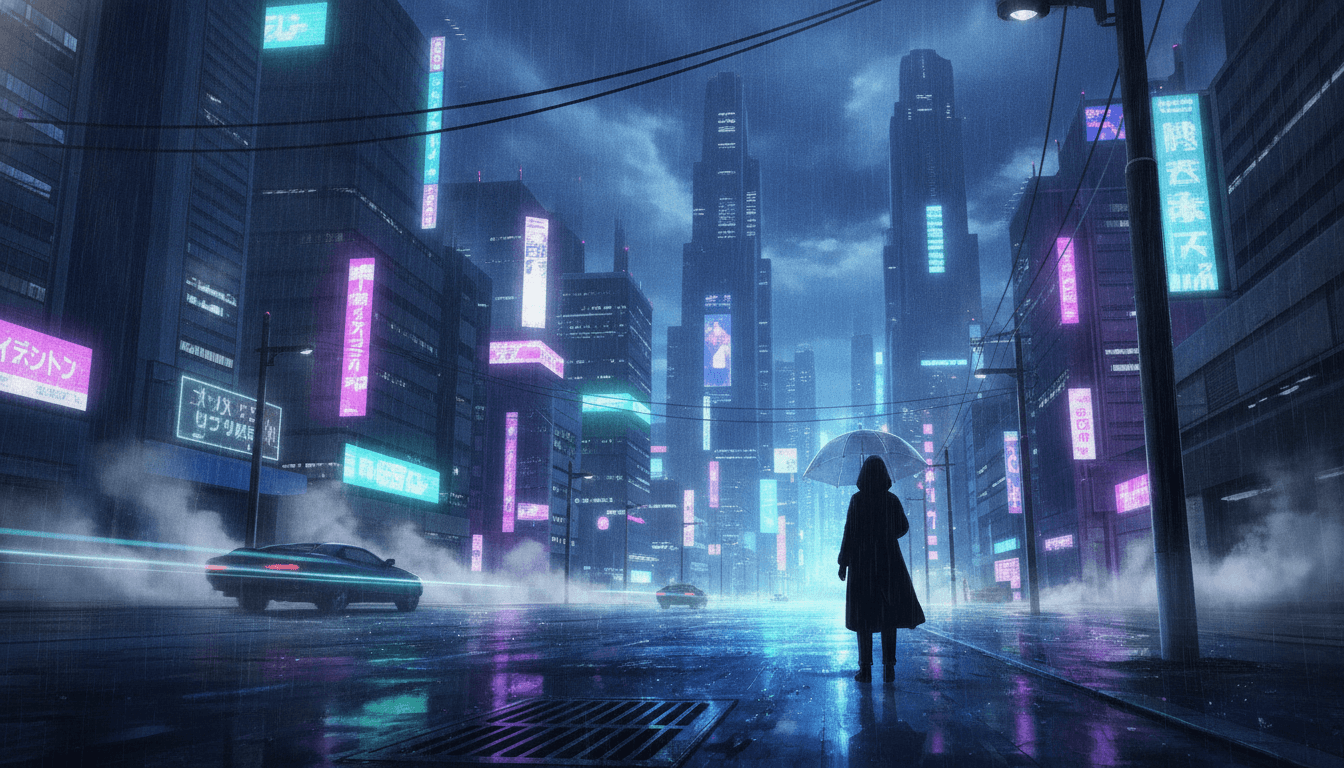
Scenes come out as video with dialogue and voice performance, composed in the ~30-second to few-minute sweet spot. Build longer episodes by sequencing multiple scenes.
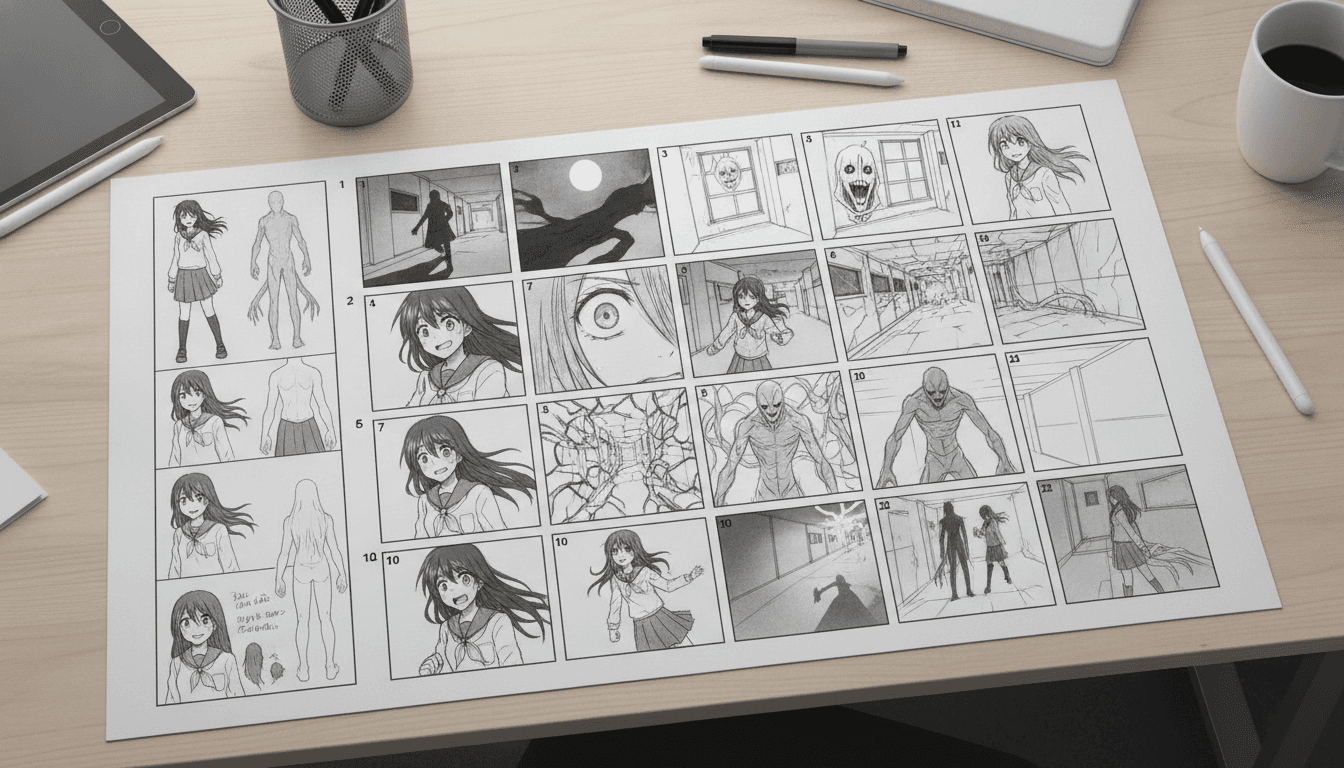
Why Horror Works Better When the Cast Stays Consistent
Knowing how to make a horror anime is mostly about continuity. Fear builds when the audience recognizes the same face in the same coat, in the same hallway, three scenes later. C2Anime treats cast consistency as the core job, so your protagonist, the figure in the doorway and the recurring witness all keep the same design from shot to shot.
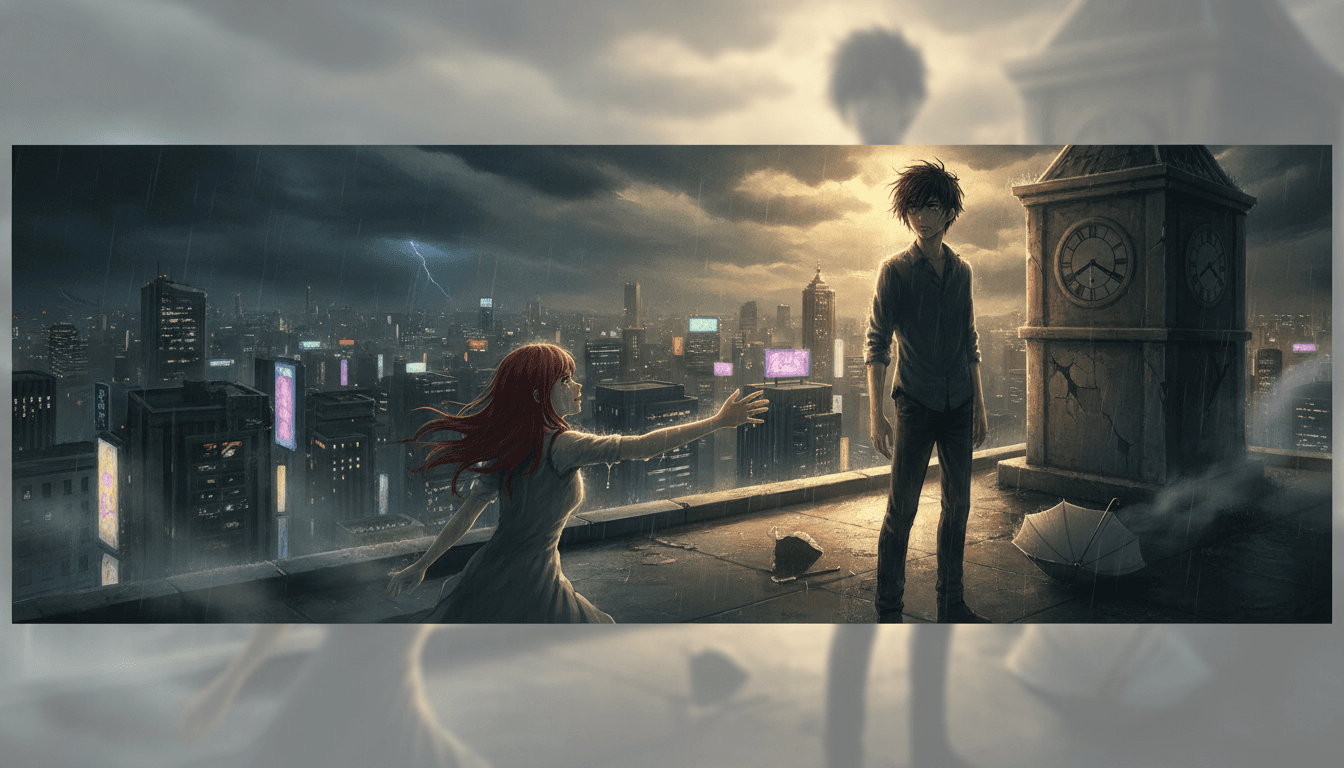
Horror and mystery channels live on voice and pacing. C2Anime renders dialogue-driven video with voiced lines, so a confession, a phone call or a whispered warning carries the scene instead of sitting in a caption. That is the difference between a narrated slide deck and a scene an audience stays inside.
Faceless channels need repeatable production. Because the director plans structure and writes a screenplay first, you can produce a series of dramatized episodes with a stable look and cast, then adjust the script and re-render specific scenes without rebuilding the whole piece.
A Practical Horror Anime Tutorial: Script, Cast, Scenes
Start with a beat sheet, not a mood board. Write the cold open, the inciting discovery, the false calm and the reveal as short paragraphs. C2Anime's director uses that structure to decide scene count and order, so your horror anime has a spine before a single frame renders.
Write dialogue that can be performed. Two or three lines per scene, with interruptions and silences, gives the voice rendering something to work with. Keep descriptions concrete: the sound of a door, the color of a hallway light, the object left on the table. Specific detail reads as atmosphere; vague dread reads as filler.
Compose the runtime from scenes. The stable sweet spot is roughly 30 seconds to a few minutes per piece, and longer episodes are built by sequencing multiple scenes. Plan each scene as a self-contained beat with an entrance, a turn and an exit, then assemble them into the full episode.
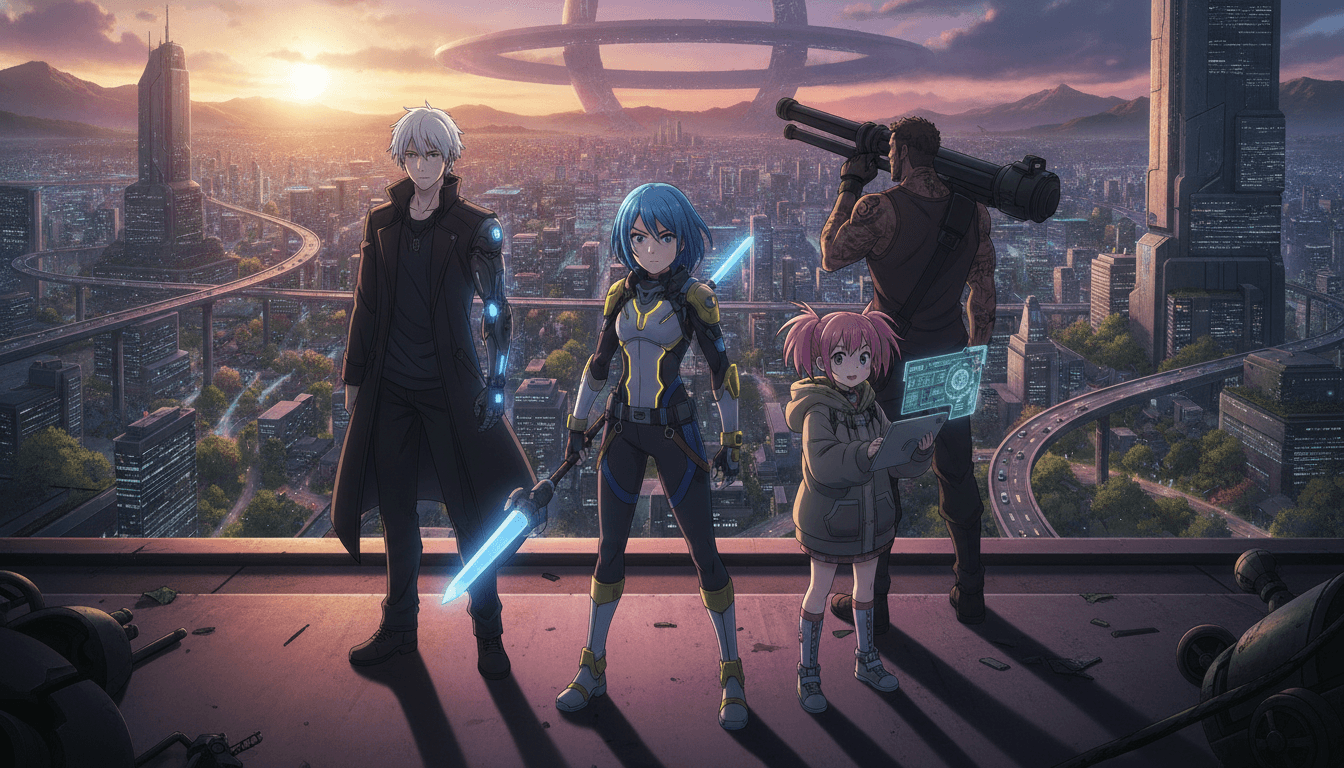
Features for Making a Horror Anime That Holds Together
Consistent cast across every shot
The same faces, hair and outfits are maintained from scene to scene, so your protagonist and your threat stay recognizable throughout the episode.
AI Film Director with a real screenplay
Structure, beats and dialogue are planned before rendering, giving each scene a purpose in the larger story instead of a standalone visual.
Voiced, dialogue-driven scenes
Scenes render as video with performed lines, so tension comes from what characters say and how they say it.
Scene-based runtime control
Work in stable pieces of about 30 seconds to a few minutes and sequence multiple scenes into a longer episode when you need one.
Who This Horror Anime Tutorial Is For
Faceless horror narrators Creators who want a recurring visual cast and voiced scenes instead of a static background over a voiceover.
True-crime and mystery channels Producers dramatizing case-inspired stories who need a clear cast and controlled scene structure — framed as inspired-by fiction, with names changed or omitted and no identifiable real victims.
Ghost-story and anthology writers Writers who already have scripts and want to see them as sequenced, voiced anime scenes with a consistent look across an episode.
FAQ: How to Make a Horror Anime with C2Anime
- Do I need animation experience to make a horror anime?
- No. You bring the script or story; C2Anime's AI Film Director plans structure, designs the cast and renders voiced scenes. Your job is the writing and the scene-level direction, not keyframes or rigging.
- How long can each horror anime video be?
- The stable sweet spot is about 30 seconds to a few minutes per piece. Longer episodes are composed by sequencing multiple scenes rather than rendering one long continuous clip.
- Will my character look the same in every scene?
- Yes — cast consistency is the core design goal. The same faces, hair and outfits are maintained across shots so a recurring protagonist or antagonist stays recognizable throughout the episode.
- Can I dramatize true-crime or mystery stories?
- You can adapt them as dramatized, inspired-by fiction. Change or omit names, avoid identifiable real victims, never accuse a named person, and stay general on open or living cases.
- Is the output a video or a set of images?
- It is video: voiced, dialogue-driven anime scenes rendered from your screenplay, not a collection of still frames.
- How do I get access?
- C2Anime is in invite-gated Early Access with paid credit tiers. Request access and review pricing before you start production.
Turn Your Horror Script into a Voiced Anime Scene
Bring your story, lock a cast that stays consistent, and render the scene you have been hearing in your head. Early Access is invite-gated with paid credit tiers.
Start your animeKeep Learning How to Make a Horror Anime
If you are serious about how to make a horror anime for a faceless channel, the repeatable path is script first, cast second, scenes third. C2Anime is built around that order so each episode can share a look and a cast while telling a new story.
For mystery and true-crime creators, the dramatized approach keeps production honest: write inspired-by fiction, change or omit names, avoid identifiable real victims, and keep open or living cases general. The result is atmosphere without accusation.
Runtime planning matters as much as writing. Compose episodes from scenes in the 30-second to few-minute range, give each scene an entrance, a turn and an exit, and sequence them into the full piece.
C2Anime runs on Seedance and MiniMax and is available through invite-gated Early Access with paid credit tiers. Head to /create to start a scene or /pricing to review credit options.