Shonen style anime, made from your own story
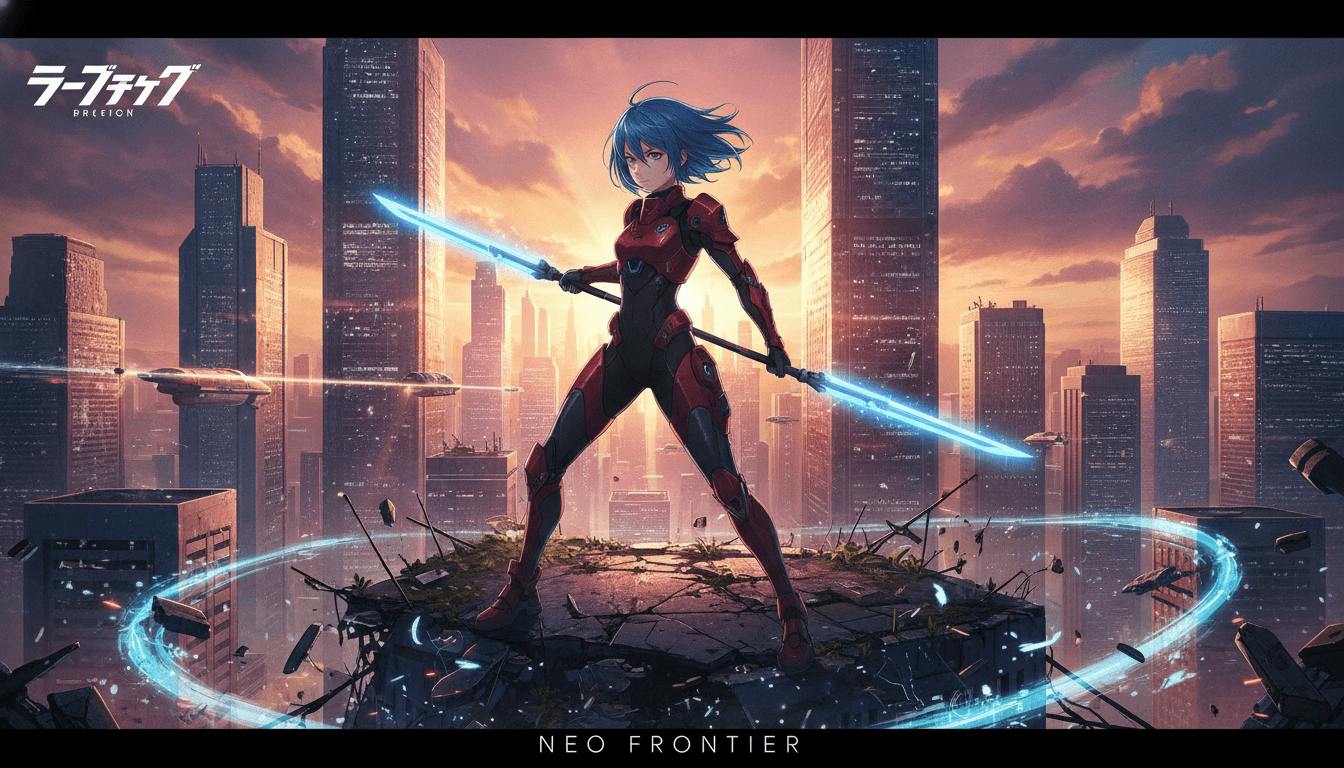
Hard contrast, speed lines, and a fight that actually escalates. C2Anime takes the story you already have and renders it as a shonen style anime — one cast designed up front, a real screenplay written before anything animates, and voiced scenes where your fighters keep the same face from the first exchange to the last.
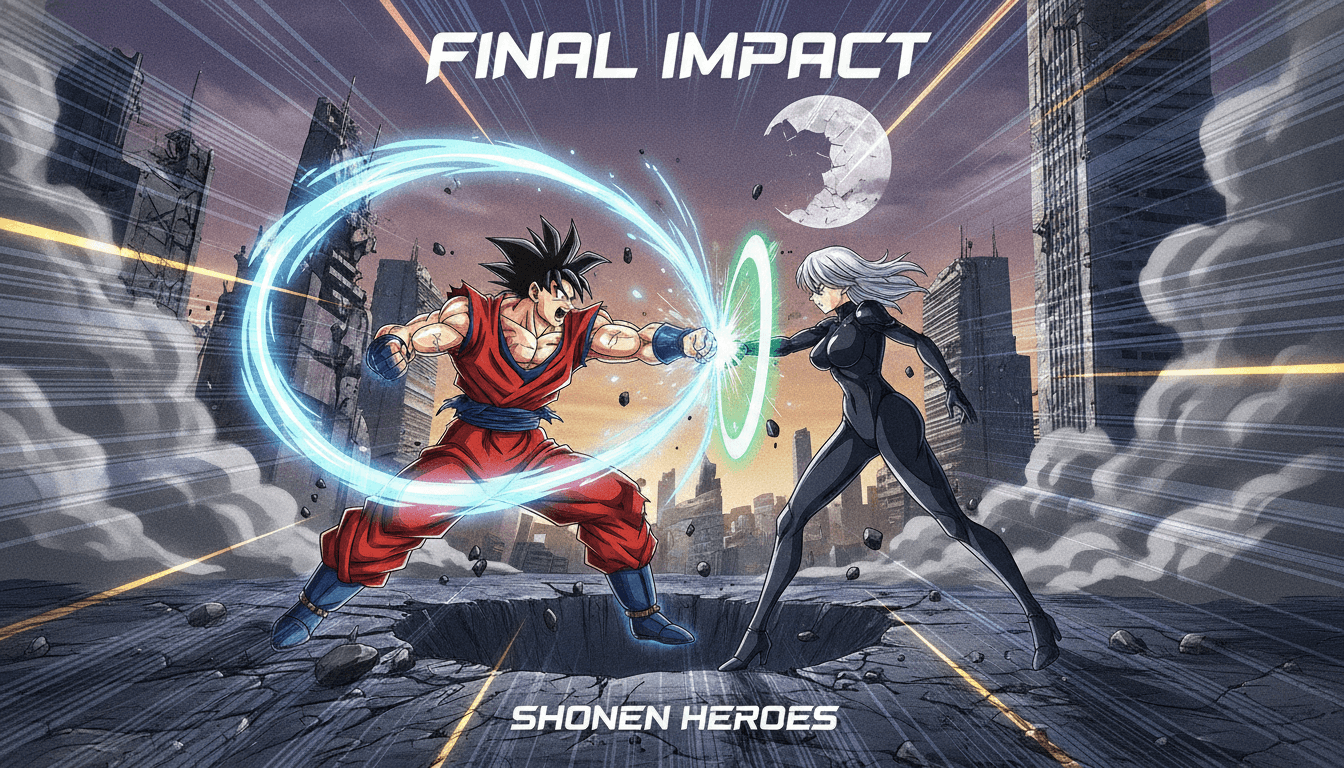
How to make a shonen style anime
Three stages, in this order. Planning before rendering is what keeps a fight coherent instead of resetting every few seconds.
Give it the story
Paste a premise, a chapter or a whole arc. Shonen staging needs stakes, so say who wants to win, who is in the way, and what it costs to lose.
Choose the shonen look
Set the visual direction toward high contrast, speed lines and impact framing. The director applies it across every scene, not just the opening fight.
Watch the scenes render
The screenplay lands first, then voiced scenes render against a cast that was already designed — so your shonen style anime holds one look from cold open to cliffhanger.
What the shonen style anime look is made of
The aesthetic is specific, and naming the parts makes it easier to ask for. These are the six choices doing most of the work.
Hard contrast and rim light
Deep shadow against blown highlights, figures edged in a bright rim so they cut out of the background even in a dark arena.
Speed lines and impact frames
Radial lines on the strike, a single held frame at the moment of contact, then the recovery. The hit reads because the timing stops for it.
Low angles and dutch tilts
The camera looks up at whoever is winning. Tilted horizons during exchanges, level framing when the fight is decided.
Saturated accent colour
Mostly restrained palette with one loud colour for energy, blood or a signature technique, so a power reads instantly on screen.
Expressive, angular faces
Sharp jawlines, heavy brow shadow, gritted teeth. Emotion is pushed to the edge of the design rather than played subtly.
Debris, dust and aftermath
Cracked ground, torn cloth, a crater where the exchange happened. The world keeps the damage so the stakes stay visible.
Stories that suit shonen staging
This visual language rewards a clear want and a visible obstacle. Someone wants to be the best at something, and the person standing in the way is genuinely better at the start. Tournament brackets, a rematch after a humiliating loss, a team assembling one member at a time — all of these give the camera a reason to push in.
It also needs escalation to be real rather than announced. A fight in scene two should not be winnable by the same trick that worked in scene one. That is why the structure is written before anything renders: the plan knows what has already been used, so the next confrontation has to cost more.
Combat is the obvious fit, but it is not the requirement. A cooking duel, a final serve, a debate round and a street race all stage the same way — hard light, low angles, a held frame at the decisive moment. If losing matters, shonen framing will carry it.
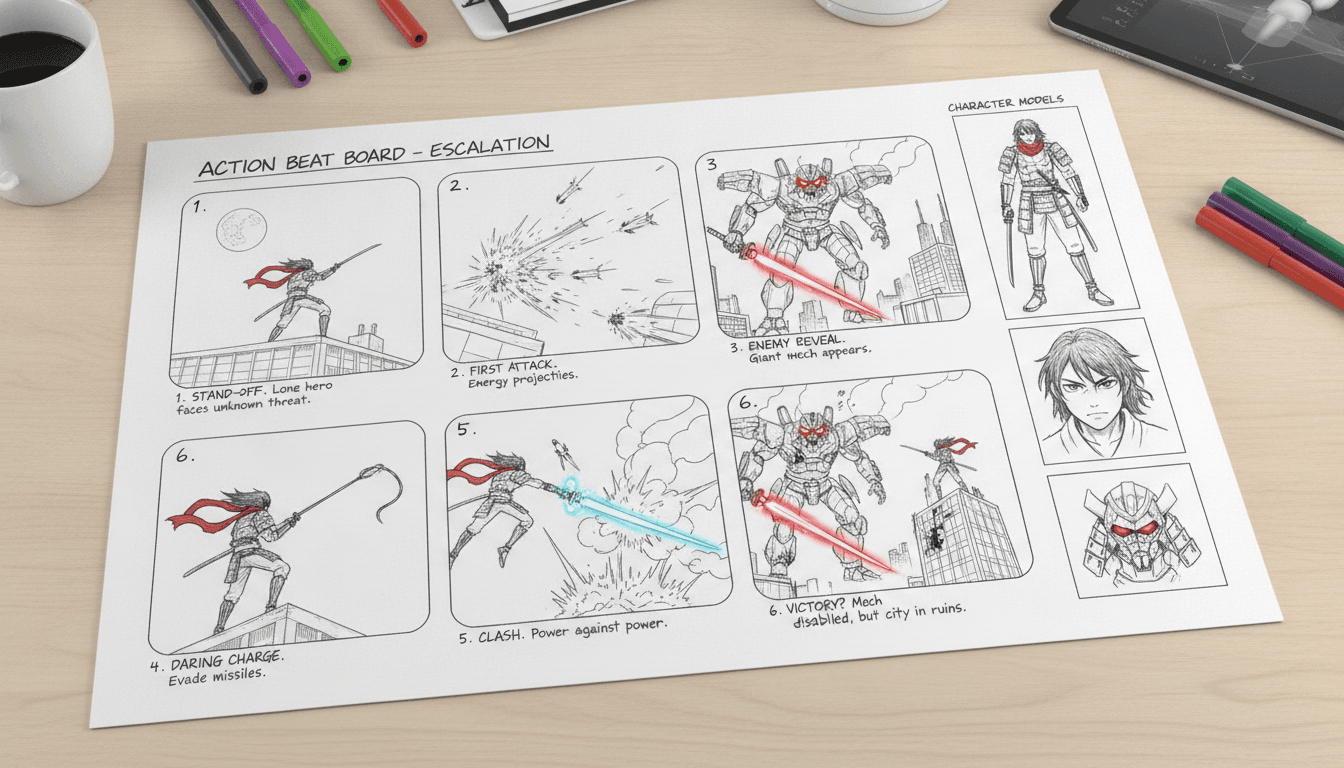
Sample prompts for a shonen style anime
Useful prompts name the light, the angle and the moment of impact — not just who is fighting. Start from one of these and swap in your own cast.
A rooftop rematch
“Two rivals face off on a cracked rooftop at dusk, one bandaged from an earlier loss. Hard rim lighting against a burning orange sky, low camera angle, speed lines on the first exchange, dust kicking up on impact.”
A tournament entrance
“An unknown fighter walks into a packed arena as the crowd goes quiet. Harsh overhead stadium light, figure framed small then pushed to a low hero angle, saturated banner colours, cheering cut to silence.”
A training breakthrough
“A teenager finally lands a technique they have failed at for weeks, alone in a mountain clearing at dawn. Cold blue light turning warm, single held impact frame, shockwave flattening the grass, exhausted collapse after.”
A mentor steps in
“A battered student is shielded by their master, who blocks an incoming strike one-handed without looking. Deep shadow with one bright accent colour on the blocked attack, tilted horizon, debris suspended mid-air.”
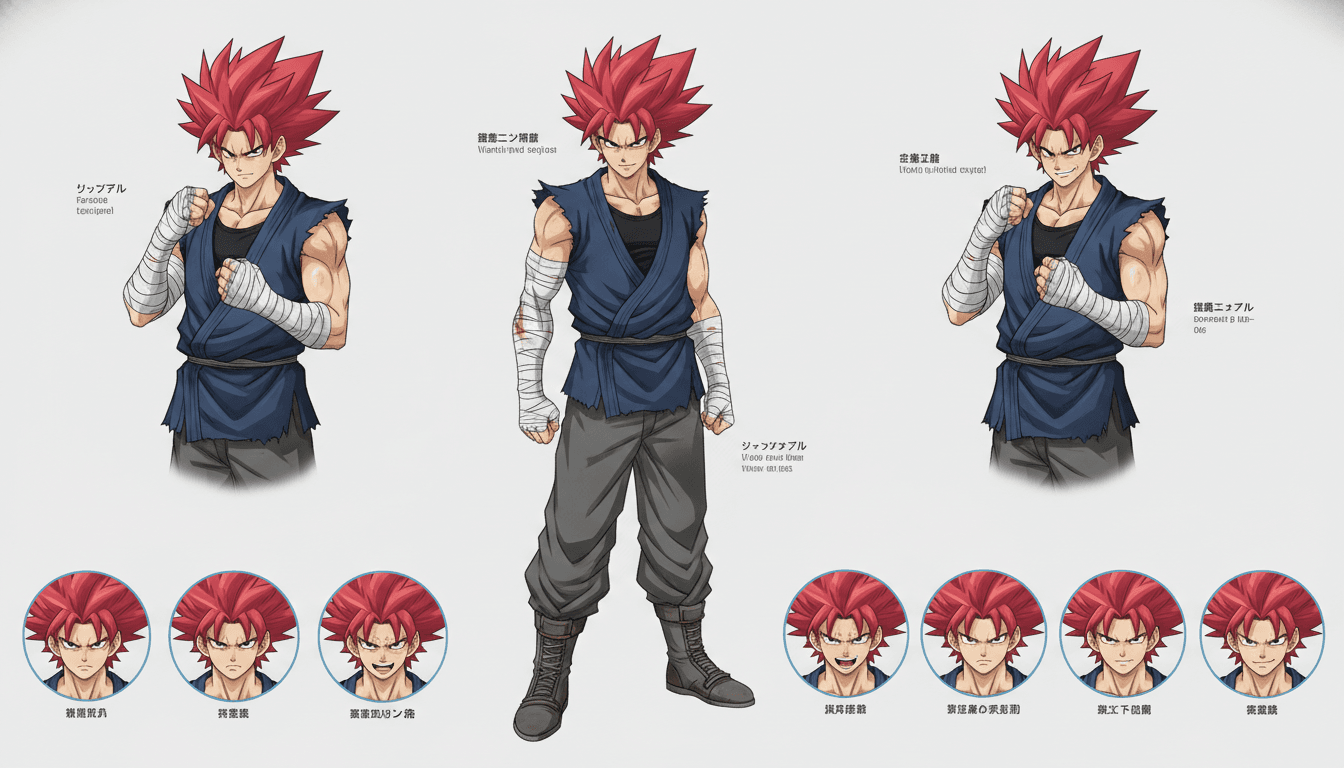
Why action is the hardest test of consistency
A quiet conversation scene shows you a character from two or three angles. A fight shows you the same character from twenty — upside down, mid-air, in silhouette, screaming, half-covered in dust. Every one of those is a chance for a generator working shot by shot to hand you a slightly different person.
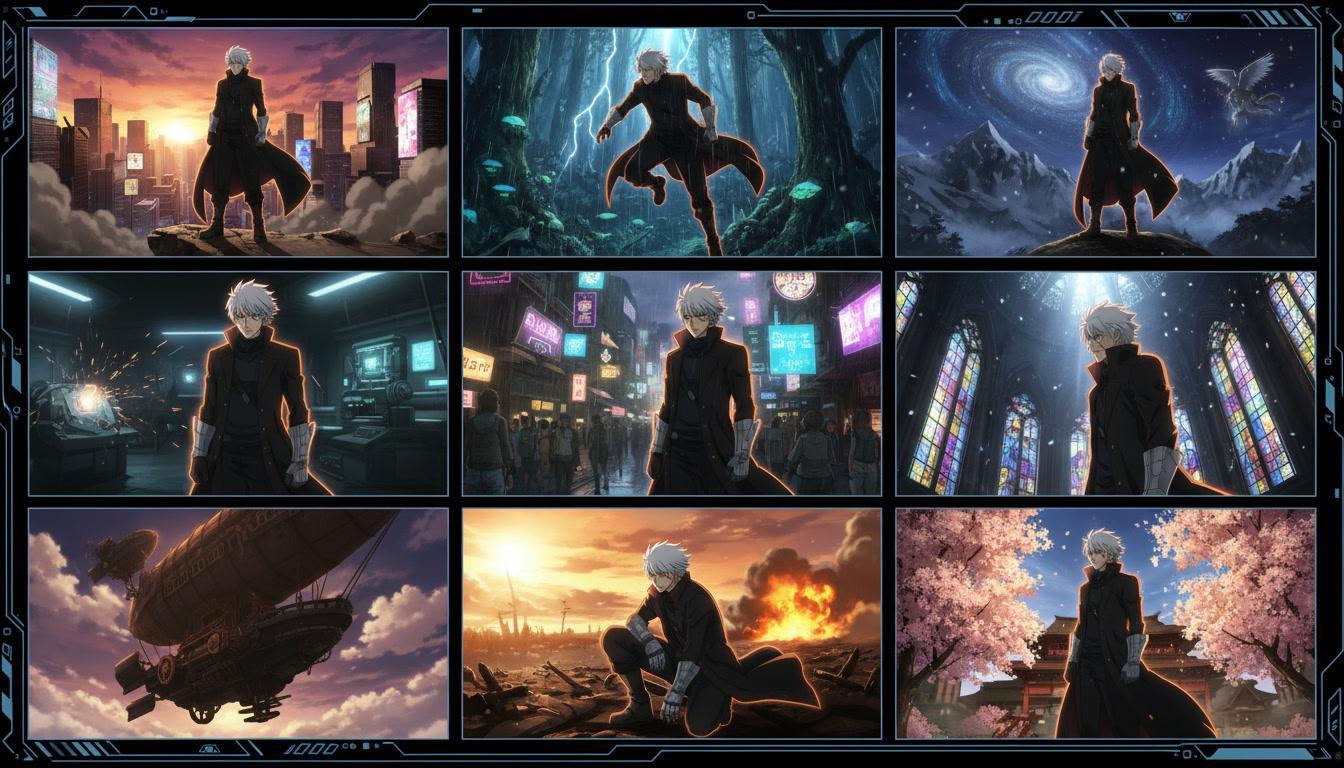
C2Anime designs each fighter once, before any scene renders, and treats that model sheet as fixed for the rest of the production. The hair keeps its silhouette, the scar stays on the same cheek, the costume damage carries forward instead of healing between cuts.
The same discipline applies to the choreography. Because the screenplay is planned whole, the scene knows who threw the first strike, who is injured and which technique has already been spent — so the exchange reads as one continuous fight rather than a shuffle of impressive but unrelated shots.
What C2Anime handles for you
One cast across every fight
Fighters change pose, angle and expression constantly. C2Anime designs each character once and reuses those references, so a face does not reset between exchanges.
Escalation that is planned
Power levels, reveals and reversals are laid out in the screenplay before rendering, so the third fight outranks the first instead of repeating it.
Dialogue mid-battle
Characters taunt, argue and declare, and they keep their voices doing it. Scenes are built around speech rather than narration over motion.
Choreography with continuity
Who is standing where, who is injured, who has used their move already — tracked across the scene instead of reinvented shot to shot.
Shonen style anime: common questions
- What is a shonen style anime?
- Shonen style anime is action animation built on a particular visual grammar: hard contrast, rim-lit figures, speed lines, held impact frames, low hero angles and escalating stakes. C2Anime applies that grammar to a story you supply and renders it as a voiced anime video with dialogue, rather than producing a single still or a short clip.
- Can I use my own original characters?
- Yes, and it is the intended workflow. Describe your original cast in the story you hand over and the AI Film Director designs them in this visual language, then holds those designs across the whole runtime. Nothing here is tied to an existing franchise.
- Will my characters stay consistent through the fights?
- That is the part C2Anime is built around. The cast is designed once, before any scene renders, and those model sheets are reused everywhere the character appears. Action is the hardest test of this, because fighters are seen from constantly changing angles, so fixing the designs up front matters more here than in any other style.
- What kind of story works best for a shonen style anime?
- Stories with a clear want, a rival who is genuinely better at the start, and a cost to losing. Tournament arcs, training-and-rematch structures, a team assembling around one goal. It also works for non-combat competition — a cooking duel or a match point stages the same way if the stakes are real.
- Does it handle choreography, or just one punch?
- Scenes are planned as exchanges rather than single hits. Because the screenplay is written before rendering, the sequence knows who moved first, who is hurt and what has already been used, so a fight builds instead of looping the same beat.
- Do I need animation experience?
- No. Structure, staging, casting and timing are planned for you and shown as an editable screenplay before anything renders. What you bring is the story and opinions about how the fights should feel.
- How long can the video be?
- Long enough for a complete episode with a cold open, a build and a cliffhanger, rather than a lone clip. Runtime depends on how many scenes your story needs and which credit tier you are on.
Bring the rivalry. Leave with an episode.
You stay the director. C2Anime handles the cast, the screenplay and the scenes.
Making a shonen style anime from a story you wrote
Most tools that promise a shonen style anime give you one spectacular frame. The rim light is right, the speed lines are right, and then it stops — because nothing in the system is tracking who these fighters are or what they were fighting about. C2Anime works the other way round. It reads your story first, proposes a structure, designs the cast, writes a screenplay with real dialogue, and only then renders scenes, every one of them against the same plan and the same visual rules.
That order matters most in action. This aesthetic lives on recognition: you have to know instantly whose fist that is, which rival just walked in, whether the arm was already broken. Those are exactly the details that collapse when shots are generated independently. A shonen style anime where the protagonist's hair changes shape between exchanges, or where an injury disappears after the cut, reads as a highlight reel instead of a fight. Fixing the cast and the choreography before rendering is what keeps it a fight.
It is also what lets the story run long. A five-second clip can absorb a little drift; an episode cannot, and an ongoing series absolutely cannot. If what you want is a recurring cast with a rivalry that develops over several arcs — a tournament, a dojo, a crew — the production has to be planned whole. C2Anime plans it whole, and the plan is visible and editable before a frame is committed.
Bring whatever you already have: a premise, a short story, a chapter of a web novel, a finished script. Name the stakes, the rival and the moment the fight turns, and C2Anime will stage the exchanges, hold the cast and voices, and render an action anime driven by dialogue rather than narration over stills. Every character is your own original design — nothing on this page is affiliated with any existing anime studio or franchise.