An AI animated short film maker that gives your story an ending
C2Anime is an AI animated short film maker for anime. Hand it a story and it plans the act breaks, designs the cast, writes a screenplay with real dialogue, and renders every voiced scene in order — so what comes back is a short film with a beginning, a middle and an ending, not a handful of pretty clips.
How the AI animated short film maker works
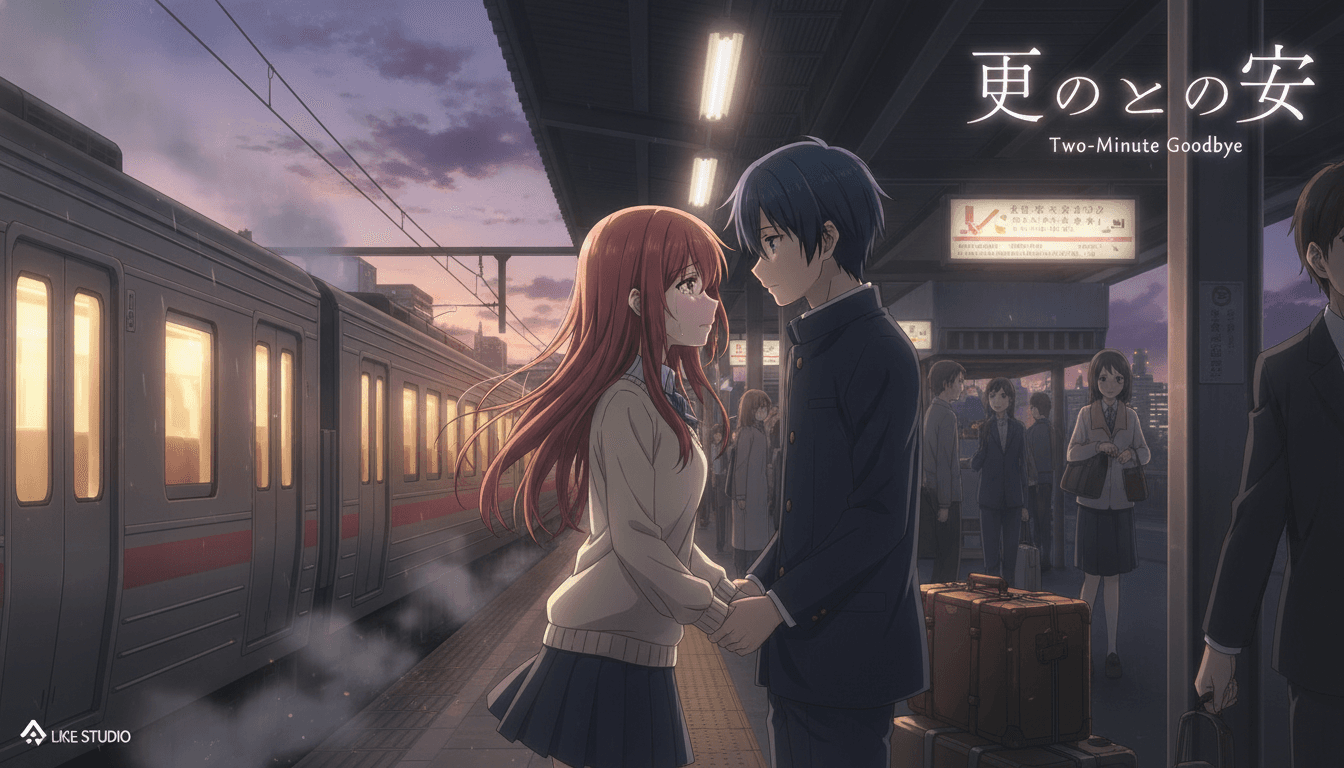
Three stages, always in this order. The order is why the finished short holds together instead of drifting.
Give it the story
A premise, a short story, a scene you cannot stop thinking about. Anything with a beginning and an ending is enough to start a short film.
It builds the film
Act breaks, a scene list, a cast designed once, and a screenplay with real dialogue. You read the plan before a frame is rendered.
It shoots every scene
Scenes are staged, voiced and rendered against that plan, in order, with the same characters carrying through to the last shot.
A short film is structure, not footage
Generating shots one prompt at a time fails the same way every time. Shot four has no idea what happened in shot three. A character you introduced in the opening never returns, because nothing in the system was tracking them. The result looks good for ten seconds and means nothing for the next two minutes.
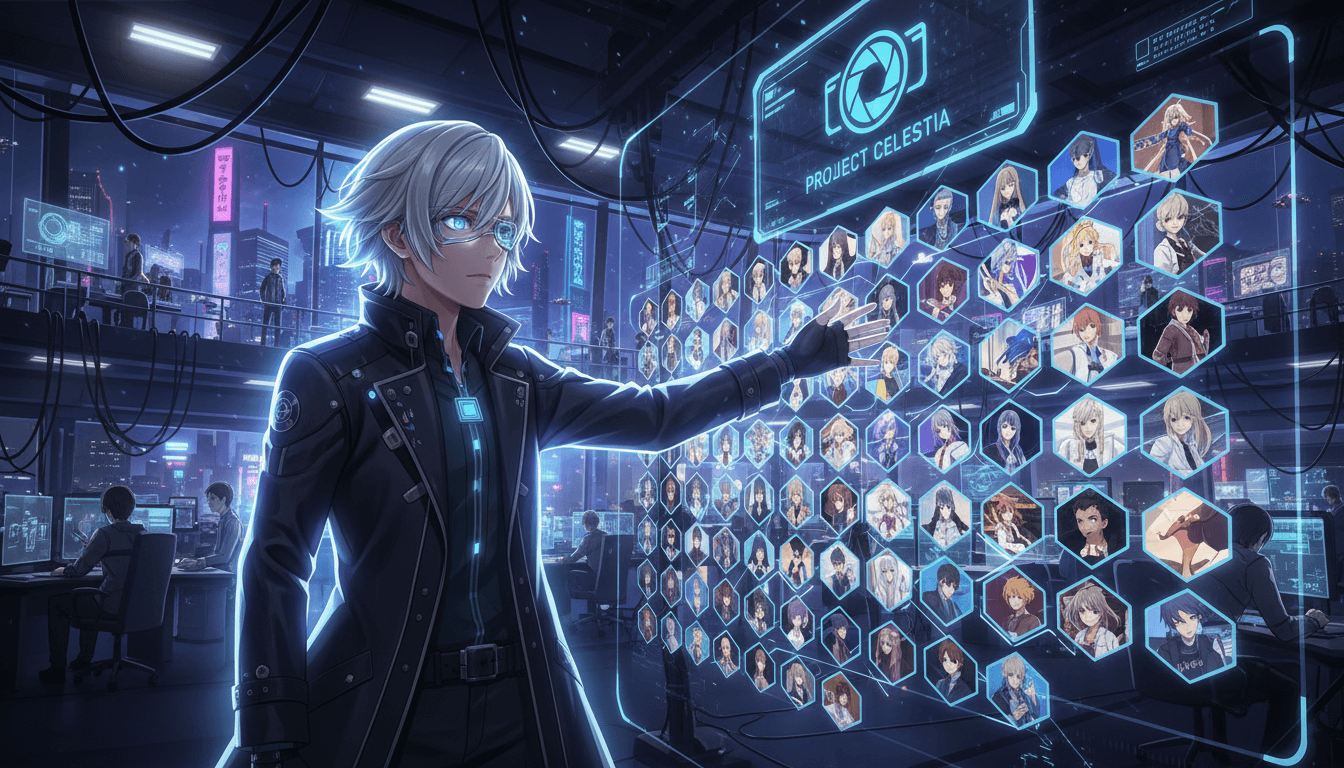
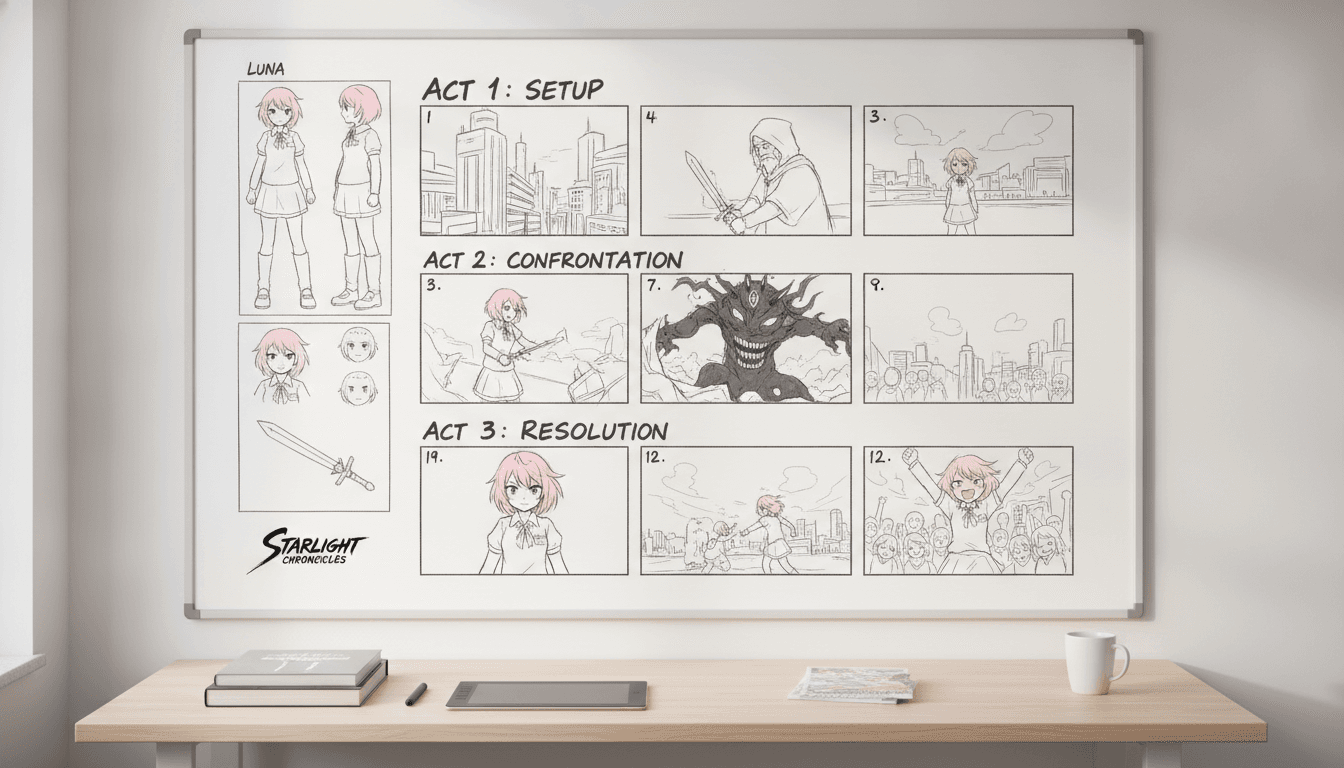
C2Anime plans the whole runtime before it renders anything. It works out where the story turns, which scenes carry the weight, and what each scene has to accomplish so the next one can land. That plan is a screenplay you can read, argue with and edit.
Once the shape is right, rendering is the easy part. Every scene is made against the plan rather than against one stray sentence of prompt, which is why the ending still connects to the opening.
One cast, from the first frame to the last
Ask anyone who has tried to make an animated short with AI what breaks first and the answer is always the characters. Faces drift. Hair changes length between cuts. A jacket gains a detail in one scene and loses it in the next. Viewers catch it instantly, even when they cannot name what is wrong.
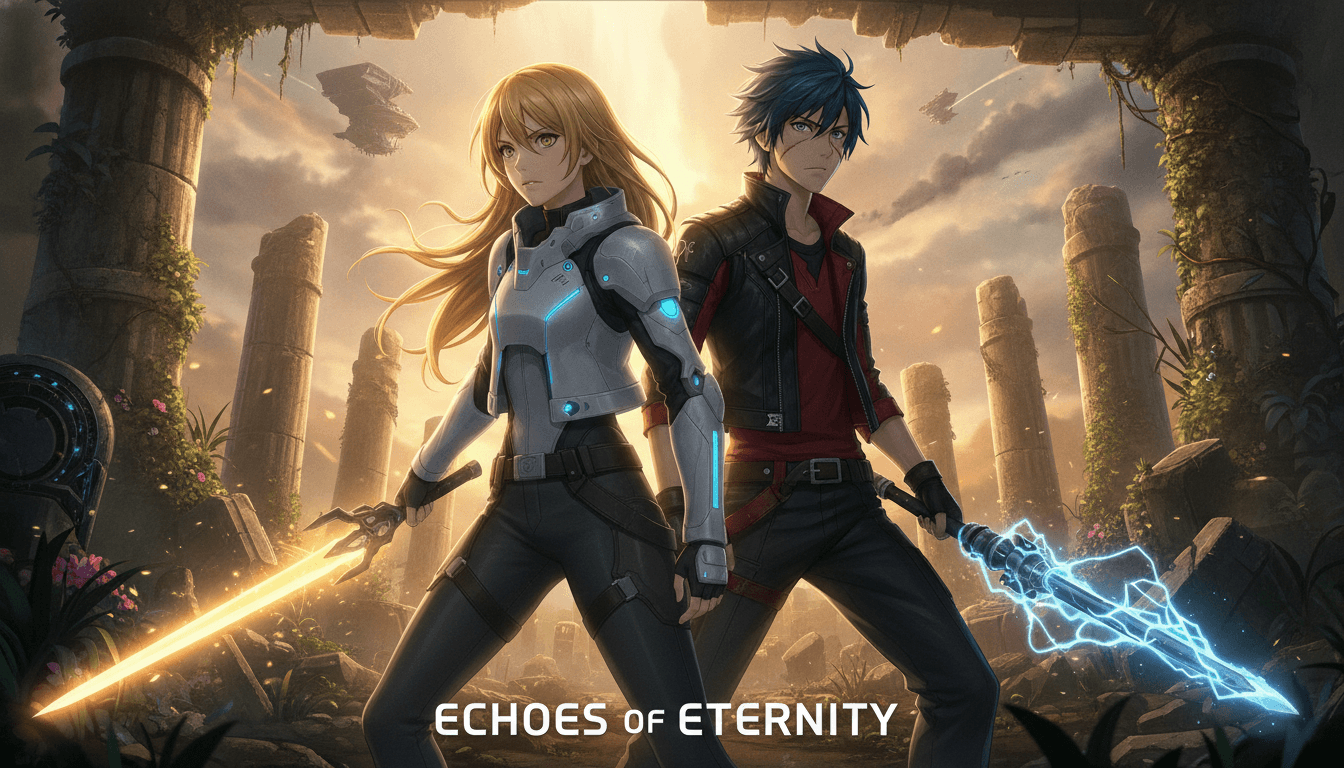
C2Anime designs each character once, up front, and treats that design as a fixed reference for the rest of the production. When your lead walks into the final scene, the system is not reinventing them from a description — it is reusing the same design it built in scene one.
For a short film that matters more than for a clip. A ten-second video can survive a little drift. Three minutes with a face you are supposed to care about cannot.
What the AI animated short film maker handles
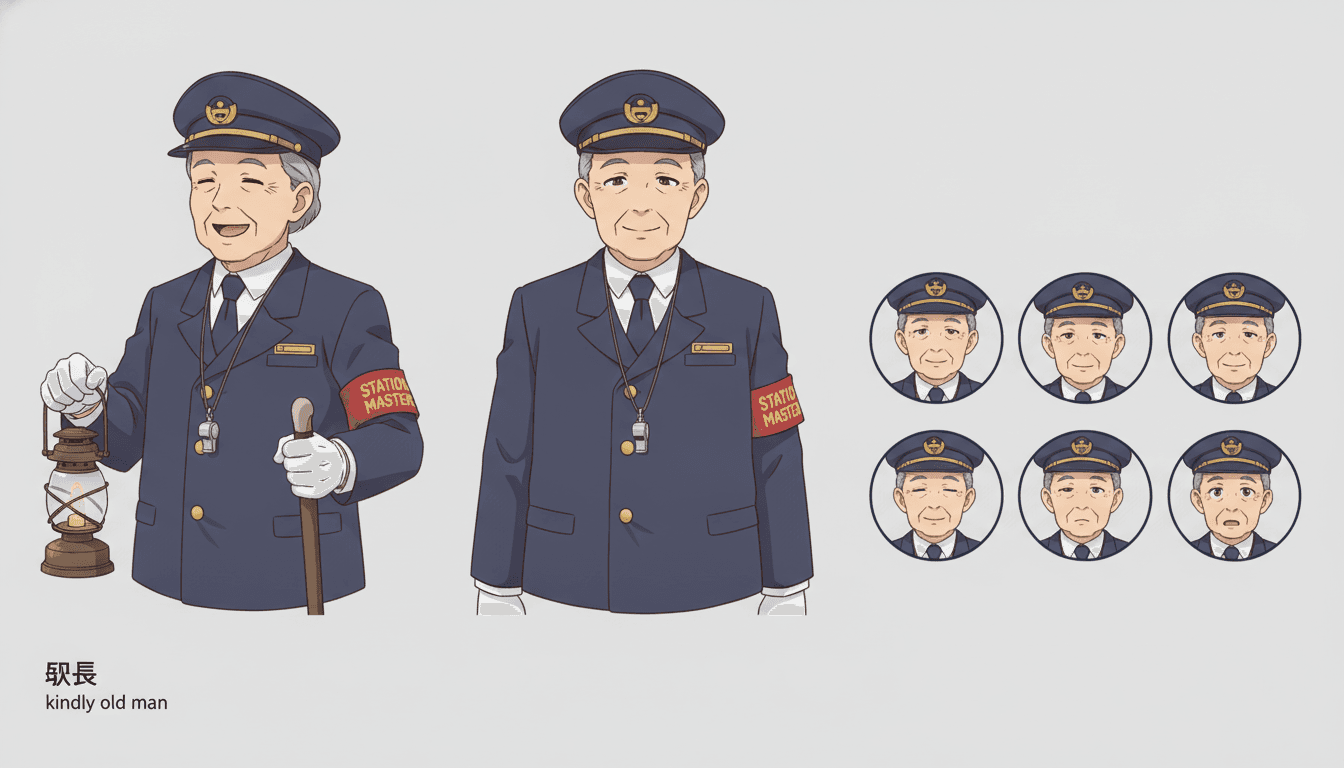
A cast that stays on model
Your characters are designed once and reused in every scene they appear in. The face in the closing shot is the face from the opening shot.
Structure before rendering
A short film needs a shape. The screenplay is written first, so the setup in scene one is still there to pay off in scene six.
Dialogue, not narration
Characters speak in their own voices and keep them. Scenes are built around what people say to each other rather than a voiceover over stills.
Re-cut a scene, keep the film
Change a line, re-stage a moment, re-render one scene. You do not have to throw out the whole short to fix thirty seconds of it.
Who makes shorts here
Festival entrants. You have a script and a deadline and no studio behind you. The bottleneck was never the idea — it was the year of production between the idea and a cut you could submit.
Hobbyist animators. You can draw, you can board, and you have a drawer full of shorts that stalled at the in-between stage. Directing the plan instead of animating every frame is how those get finished.
Writers who want to see it move. The hard part is already done. What you have never had is a way to watch your own scene play out with voices in it.
AI animated short film maker: common questions
- What is an AI animated short film maker?
- It takes a story and produces a complete animated short from it — structure, cast, screenplay, voices and finished scenes — rather than a single clip. C2Anime plans the whole runtime first, then renders the scenes against that plan, so the result has an actual beginning, middle and end.
- How is this different from a text-to-video generator?
- A video generator answers one prompt at a time and forgets the previous shot. A tool built for shorts holds the whole film in mind: who is in it, what has already happened, and what still has to land before the credits. That memory is the difference between a short film and a montage.
- How long can my short film be?
- Long enough for a complete story rather than a single moment. Runtime follows the plan — a tight two-minute short needs fewer scenes than a ten-minute one, and you see the scene count before anything renders.
- Will the characters look the same throughout the film?
- Yes, that is the part C2Anime is built around. Each character is designed up front and that design is used as a fixed reference for every scene, so hair, face and outfit do not drift between shots.
- Do I need animation or filmmaking experience?
- No. C2Anime handles staging, casting, timing and rendering. What you bring is the story and your opinions about how it should feel — you stay the director, not the animator.
- Can I submit the result to a film festival?
- The finished video is yours to use. Festivals differ on how they treat AI-assisted work, so check the rules of the specific festival before you submit — some have an AI category, some ask for disclosure, some do not accept it at all.
- What kind of story works best as a short?
- One clear want, one complication, one change. Shorts do not have room for a large cast or a sprawling plot, so a single character facing a single decision tends to land far better than a condensed epic.
Bring a story. Leave with a short film.
C2Anime handles the production. You stay the director.
Start your short filmMaking an anime short with an AI animated short film maker
An AI animated short film maker is a different kind of tool from a clip generator. A generator answers a prompt and stops. A short film maker takes responsibility for a finished piece: the structure, the cast, the dialogue, the voices and the order the scenes arrive in. C2Anime reads the story you give it, proposes a shape for the runtime, designs the characters, writes a screenplay, and then renders scene after scene against that plan. Every stage is visible and editable, so the work feels closer to sitting with a storyboard artist than to typing prompts into a box.
Continuity is the reason to want one of these rather than a shot-by-shot workflow. Animation is a medium built on recognition — the same character, the same world, the same visual rules, cut after cut. Tools that generate each shot in isolation cannot deliver that, because nothing in the system remembers the previous shot. By planning the whole film first and holding a fixed set of character references, C2Anime keeps your cast on model from the opening frame to the final one.
Short films are unforgiving about shape. There is no room to meander: one want, one complication, one change, and every scene has to earn its place. Planning the screenplay before rendering is what makes that possible — you can see whether the ending is set up, cut a scene that is not pulling its weight, and re-render a single moment without rebuilding the whole film around it.
C2Anime works from whatever you already have: a premise, a screenplay, a short story or a chapter of a novel. It stages the scenes, casts and holds the voices, and renders anime with dialogue at its centre rather than narration laid over stills. If you have been waiting for a crew to make your short, this is the closest thing to having one. Bring the story — C2Anime will shoot it.