Anime Intro Generator for Trailers, AMVs, and Openings
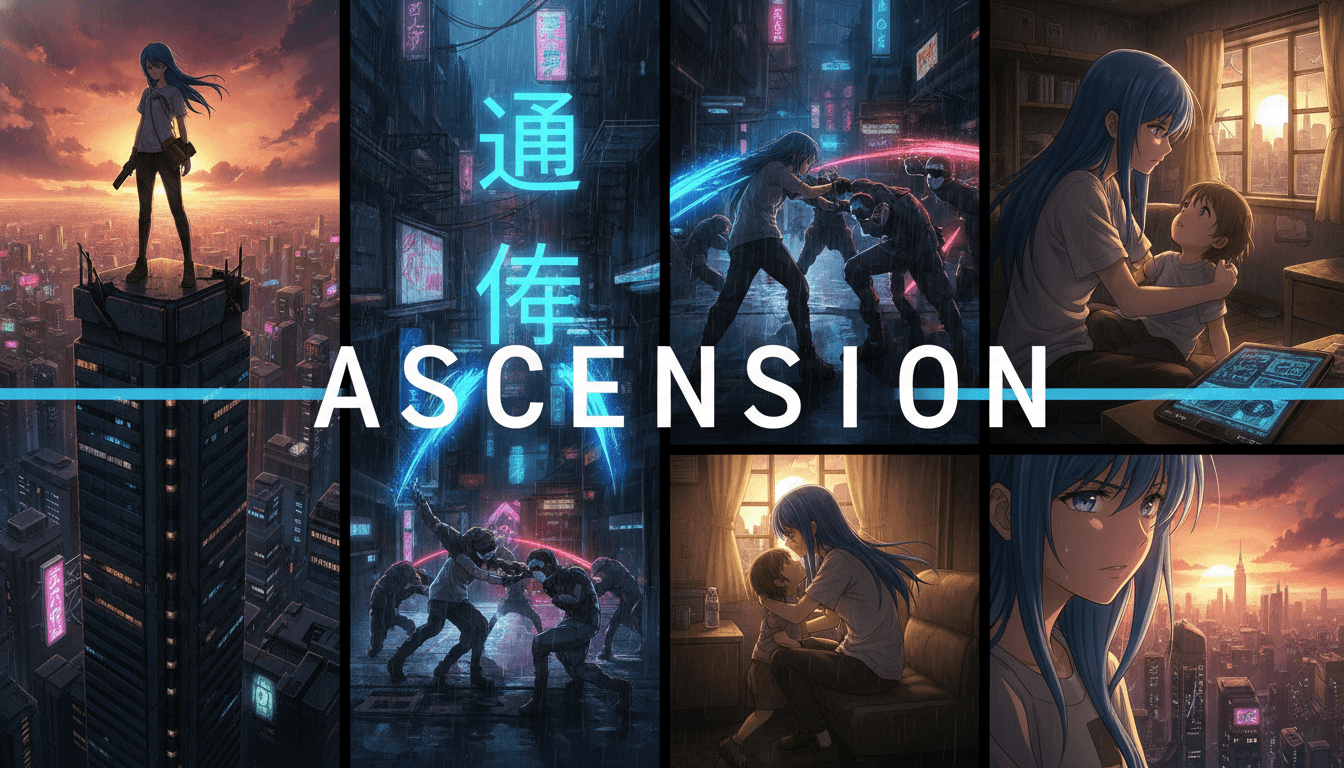
C2Anime turns your script or story into a finished anime intro video — not a slideshow of stills. An AI Film Director plans the structure, locks a consistent cast across every shot, and renders voiced, dialogue-driven scenes you can cut into a trailer, opening, or music video.
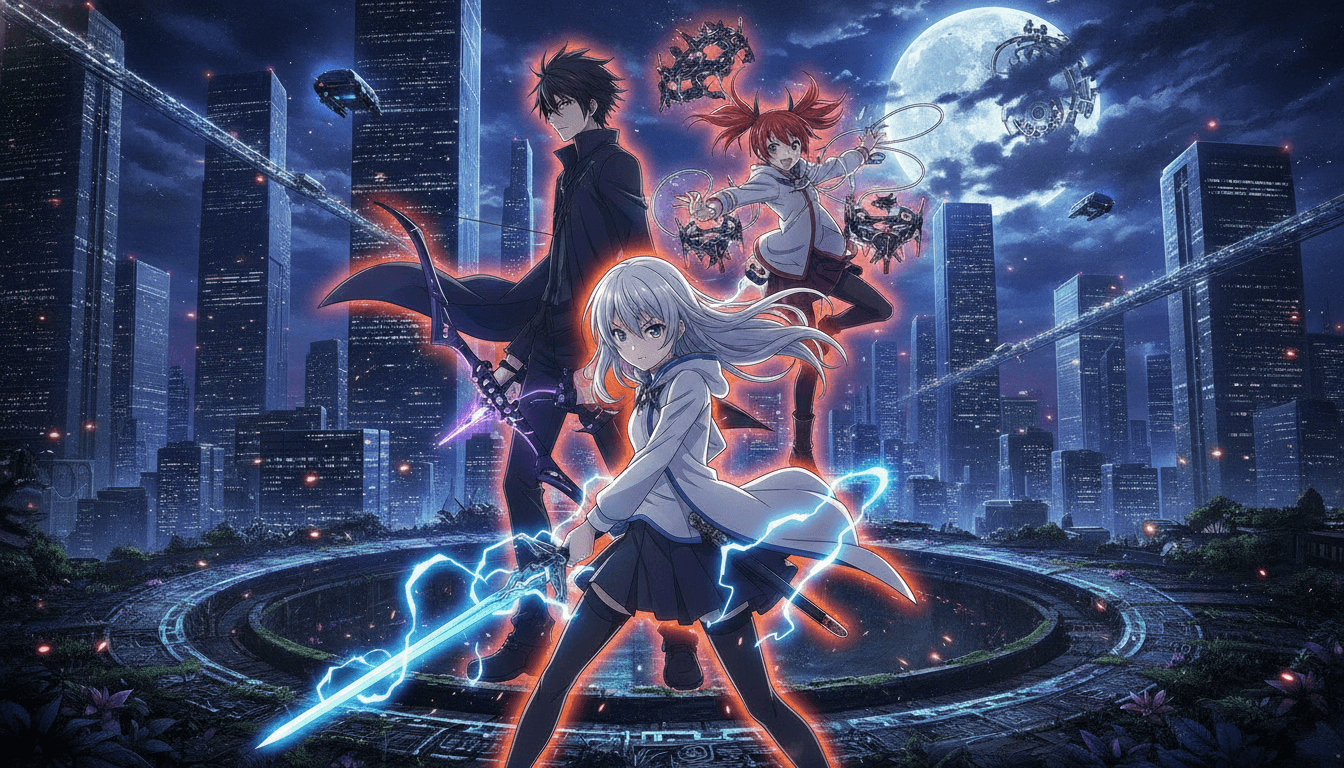
How the anime intro generator works
You bring the script, beat sheet, or opening concept. C2Anime handles direction, casting, and rendering so you get a finished anime intro video instead of a folder of disconnected frames.
Paste your script or intro beats
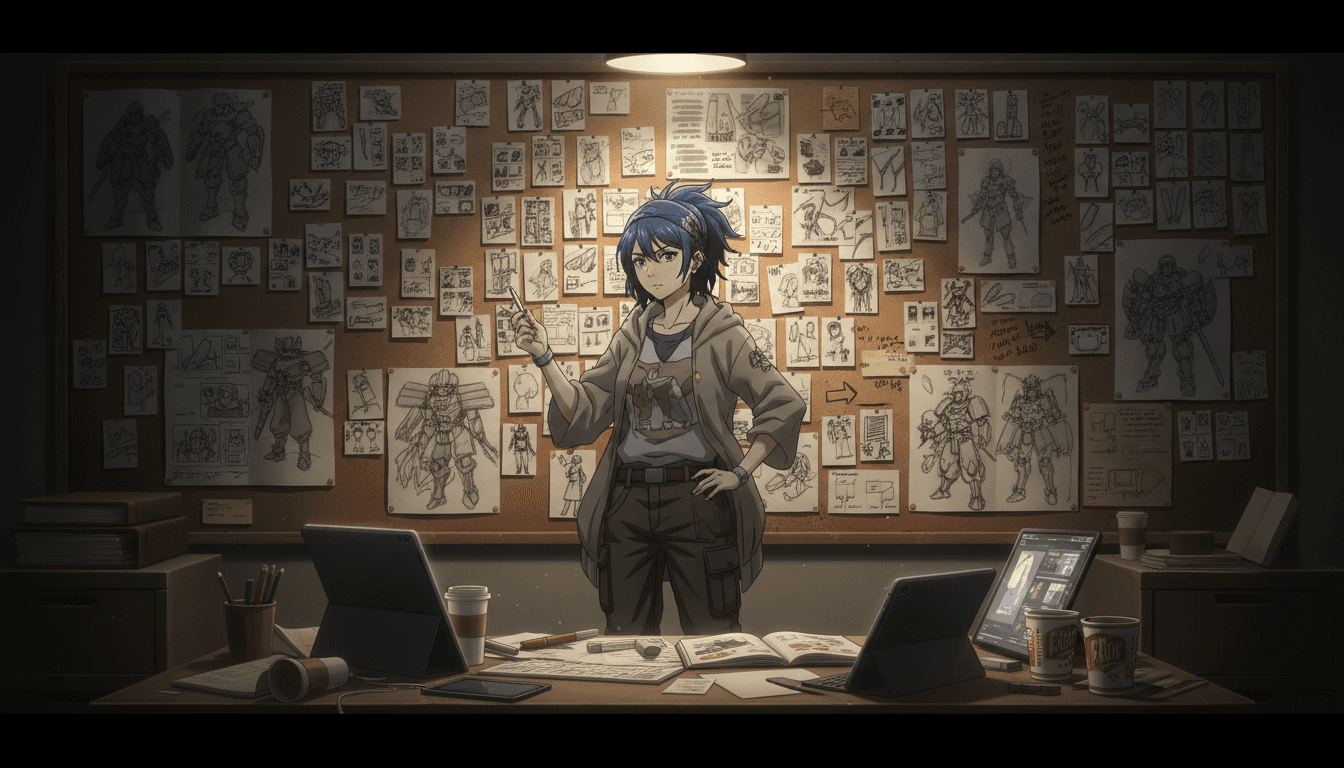
Drop in a short script, a trailer beat sheet, or a one-paragraph opening idea. The AI Film Director reads it and proposes structure — cold open, title beat, character reveal — before any scene is rendered.
Lock a consistent cast
The director designs your cast once and keeps the same faces, hair, and outfits across every shot. That consistency is what makes an opening read as one anime rather than a collage of unrelated characters.
Render voiced scenes and export
Scenes are rendered with dialogue and voice performance, then composed into your intro. The stable sweet spot is roughly 30 seconds to a few minutes per piece, with longer runtimes built from multiple scenes.
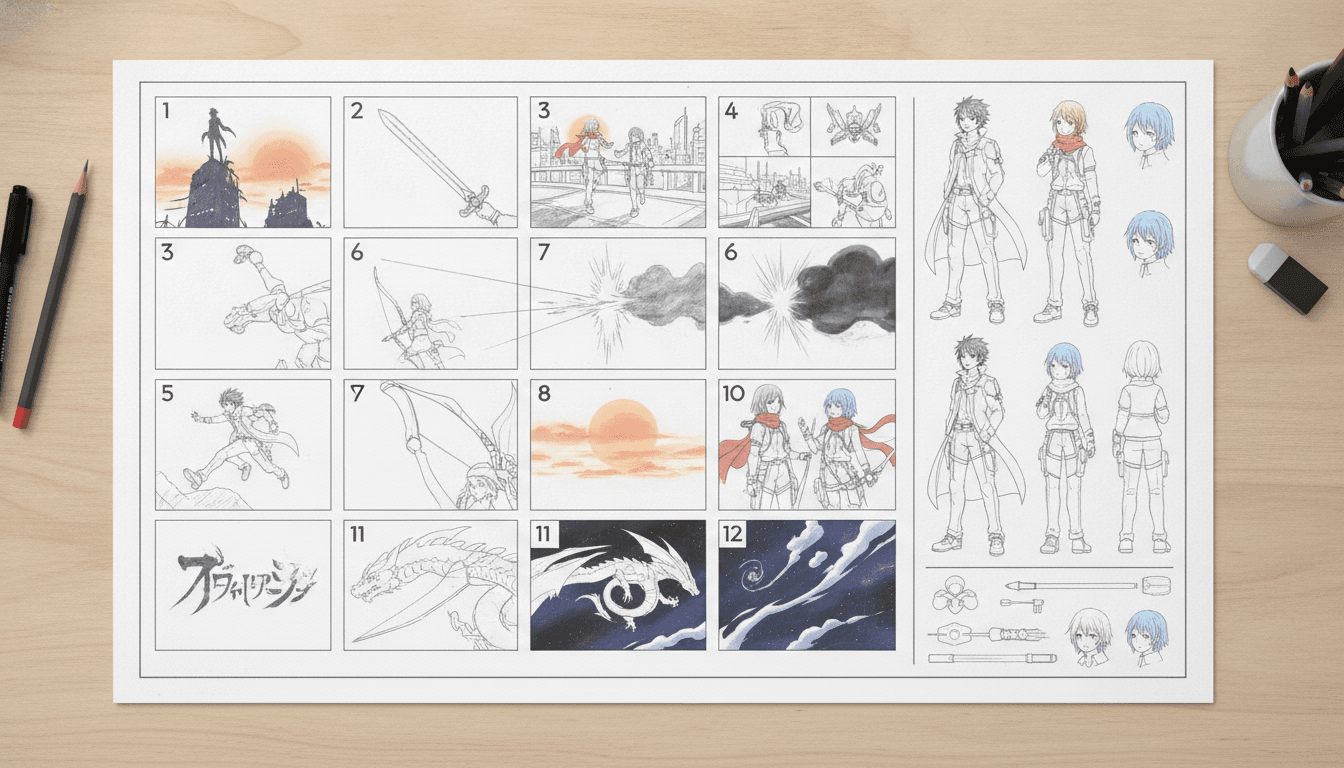
Why creators use an anime intro generator instead of assembling frames
An anime intro generator solves the part of the workflow that eats the most time: keeping a cast recognizable. C2Anime's AI Film Director designs each character once — face shape, hair, outfit, color palette — and carries that design through every shot, so your opening's hero looks like the same person in the close-up, the action beat, and the title card.
Most intro work stalls between the idea and the render. C2Anime writes a real screenplay from your script, plans the shot order, and renders voiced, dialogue-driven anime scenes. You are directing an anime intro video, not babysitting a stack of image prompts and hoping the next frame matches the last.
C2Anime runs on Seedance and MiniMax models and is built for creators who need a finished piece. The product is invite-gated Early Access with paid credit tiers, so capacity goes to people actively making trailers, AMVs, openings, and music videos rather than idle signups.
Inside the anime intro generator: direction, casting, and voice
The AI Film Director is the difference between a prompt box and a production tool. It reads your script for tone and pacing, proposes a structure for the intro, and assigns each beat a purpose — establish the world, introduce the rival, land the hook. You review and adjust that plan before rendering, so the opening has a shape instead of a random sequence of cool shots.
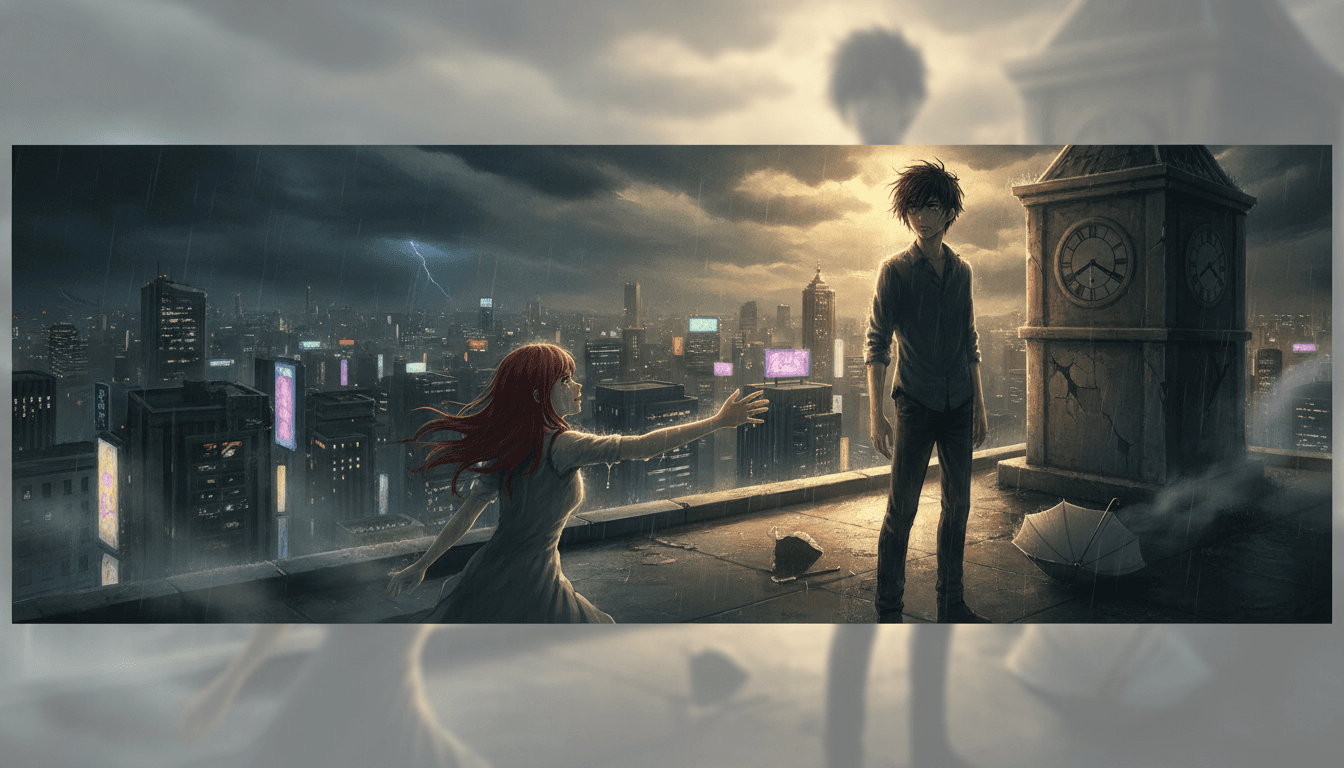
Casting is handled as a persistent design, not a per-shot guess. Each character keeps the same face, hair, and outfit across the full anime intro video. When your opening cuts from a wide establishing shot to a dialogue close-up, the cast stays recognizable — the single biggest reason an AI-made opening can feel like a real series title sequence.
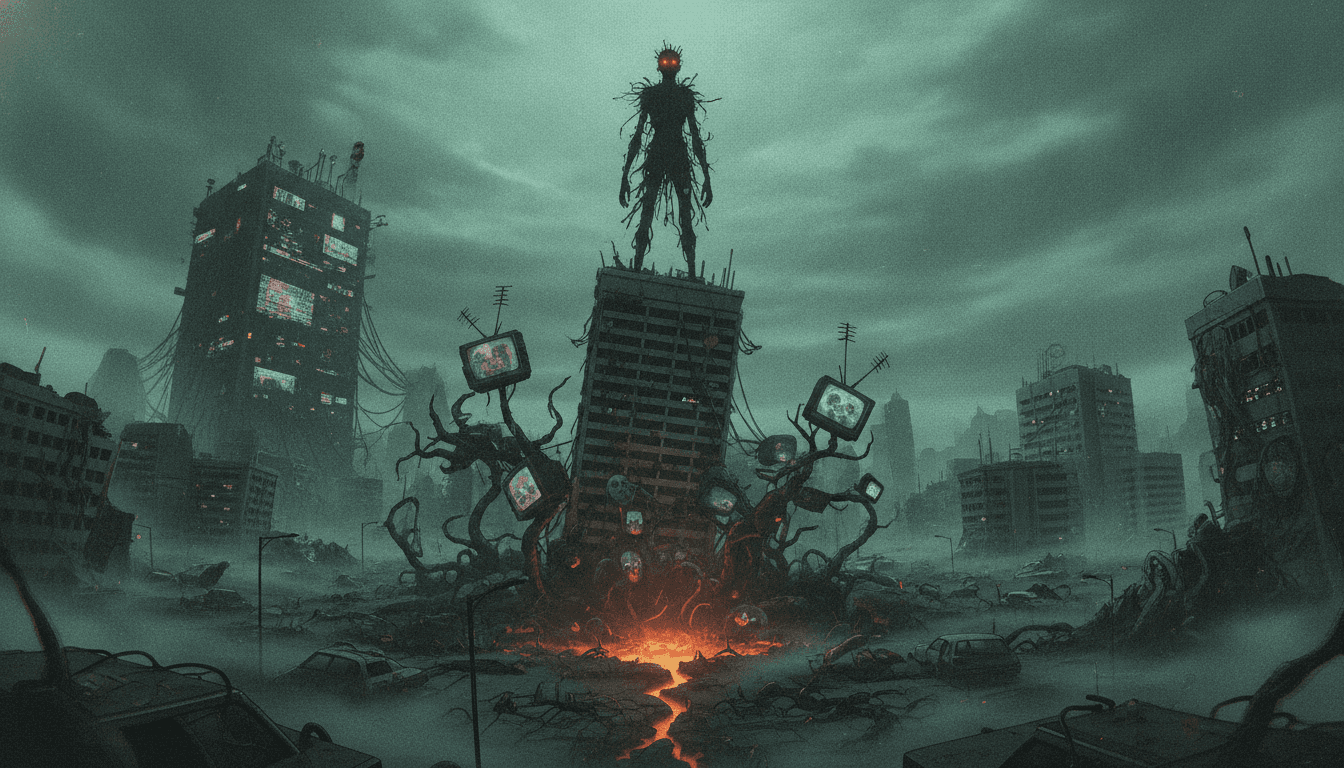
Rendering produces voiced, dialogue-driven scenes. The models behind C2Anime — Seedance and MiniMax — handle motion and performance, and scenes are composed into your final intro. Because each piece is stable at roughly 30 seconds to a few minutes, longer openings and trailers are built from multiple scenes rather than one stretched clip.
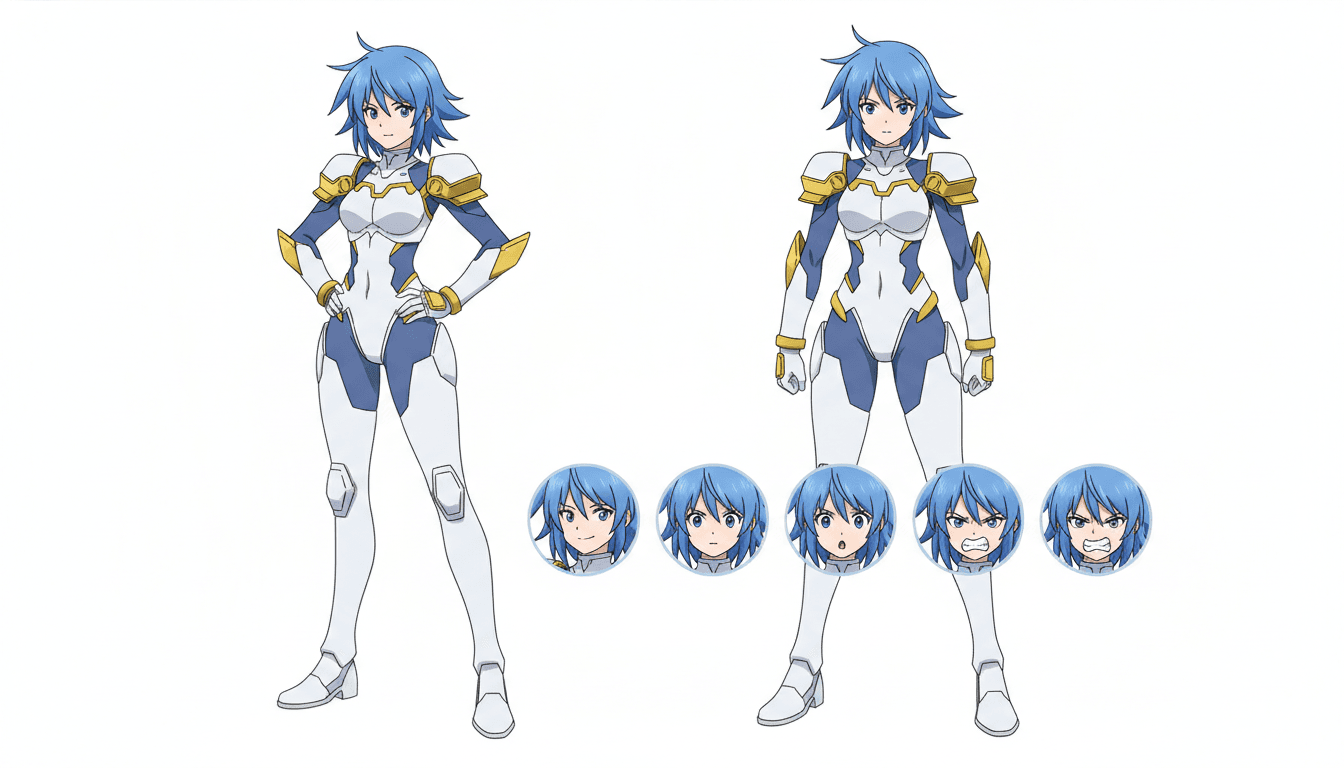
Features that make the anime intro generator useful on real projects
Consistent cast across every shot
Faces, hair, and outfits stay locked from the first frame to the title card, so your opening reads as one anime rather than a mood board.
AI Film Director planning
Structure, pacing, and shot purpose are planned from your script before rendering, giving you an editable blueprint for the intro.
Voiced, dialogue-driven scenes
Scenes render with voice performance and dialogue, which suits openings that need a line of narration or a character beat, not just motion.
Scene-based composition
Pieces are stable at about 30 seconds to a few minutes; longer trailers and AMV-style openings are assembled from multiple scenes.
Who the anime intro generator is built for
Trailer and teaser creators Cut a voiced, character-led anime intro video to front a project, a channel, or a crowdfunding page without hiring a full animation team.
AMV and opening editors Generate original anime footage with a consistent cast, then bring it into your edit for openings and music-driven cuts.
Music video and short-form directors Build dialogue-driven anime scenes that match a track's structure, using the scene-based workflow to hit a 30-second to few-minute runtime.
Anime intro generator FAQ
- What exactly does the anime intro generator produce?
- It produces a finished anime intro video: voiced, dialogue-driven scenes composed into an opening, trailer, or music-video piece. It is video, not a set of still frames. You start from a script or beat sheet, review the director's plan, and render.
- How long can an anime intro video be?
- The stable sweet spot is roughly 30 seconds to a few minutes per piece. Longer runtimes are composed from multiple scenes rather than one long clip. That fits most openings and trailers, and longer cuts can be assembled scene by scene.
- Does the anime intro generator keep characters consistent?
- Yes. The AI Film Director designs each character once and carries the same face, hair, and outfit across every shot. Consistency is the core of the product, because an opening only works if the cast stays recognizable from the first frame to the last.
- Which models power C2Anime?
- C2Anime runs on Seedance and MiniMax. Those models handle motion and performance for the rendered scenes. The planning, casting, and screenplay steps are handled by the AI Film Director on top of them.
- Can I use the anime intro generator for a true-crime or mystery opening?
- Yes, framed as dramatized, inspired-by material. Change or omit real names, avoid identifiable real victims, never accuse a named person, and stay general on open or living cases. Keep the opening clearly dramatized rather than presented as documentary fact.
- How do I get access to the anime intro generator?
- C2Anime is invite-gated Early Access with paid credit tiers. There is no free tier and no instant signup. Start at /create to begin a piece, or check /pricing for the credit tiers that fit your project.
- Do I need animation or editing experience to use it?
- No. You bring a script or an opening idea; the director proposes structure and cast, and you review before rendering. Editing experience helps if you plan to cut the rendered scenes into a larger AMV or trailer, but it is not required to produce the intro itself.
Direct your anime intro video
Bring a script or a beat sheet and let the AI Film Director plan, cast, and render a voiced opening with a consistent cast. Early Access is invite-gated with paid credit tiers — head to /create to start, or see /pricing for tiers.
Start your animeAbout C2Anime and the anime intro generator
C2Anime is an anime intro generator built for creators who need a finished anime intro video, not a folder of frames. It turns a script, story, or opening concept into a directed, voiced piece with a consistent cast carried across every shot.
The workflow is built around the AI Film Director: it plans structure, designs the cast once, writes a real screenplay, and renders dialogue-driven anime scenes on Seedance and MiniMax models. Pieces are stable at roughly 30 seconds to a few minutes, with longer runtimes composed from multiple scenes.
Use it for trailers, AMVs, openings, and music videos where the cast has to stay recognizable. C2Anime is invite-gated Early Access with paid credit tiers — there is no free tier or instant signup — and CTAs point to /create and /pricing.
For dramatized true-crime or mystery openings, keep the piece inspired-by: change or omit names, avoid identifiable real victims, never accuse a named person, and stay general on open or living cases.