High School Anime Generator: Turn Scripts Into Voiced Anime Video
C2Anime's high school anime generator takes your story or script and directs it into a finished anime video. It plans the structure, designs a consistent cast that stays the same across every shot, writes a real screenplay, and renders voiced, dialogue-driven classroom and rooftop scenes. You get video, not a static gallery.
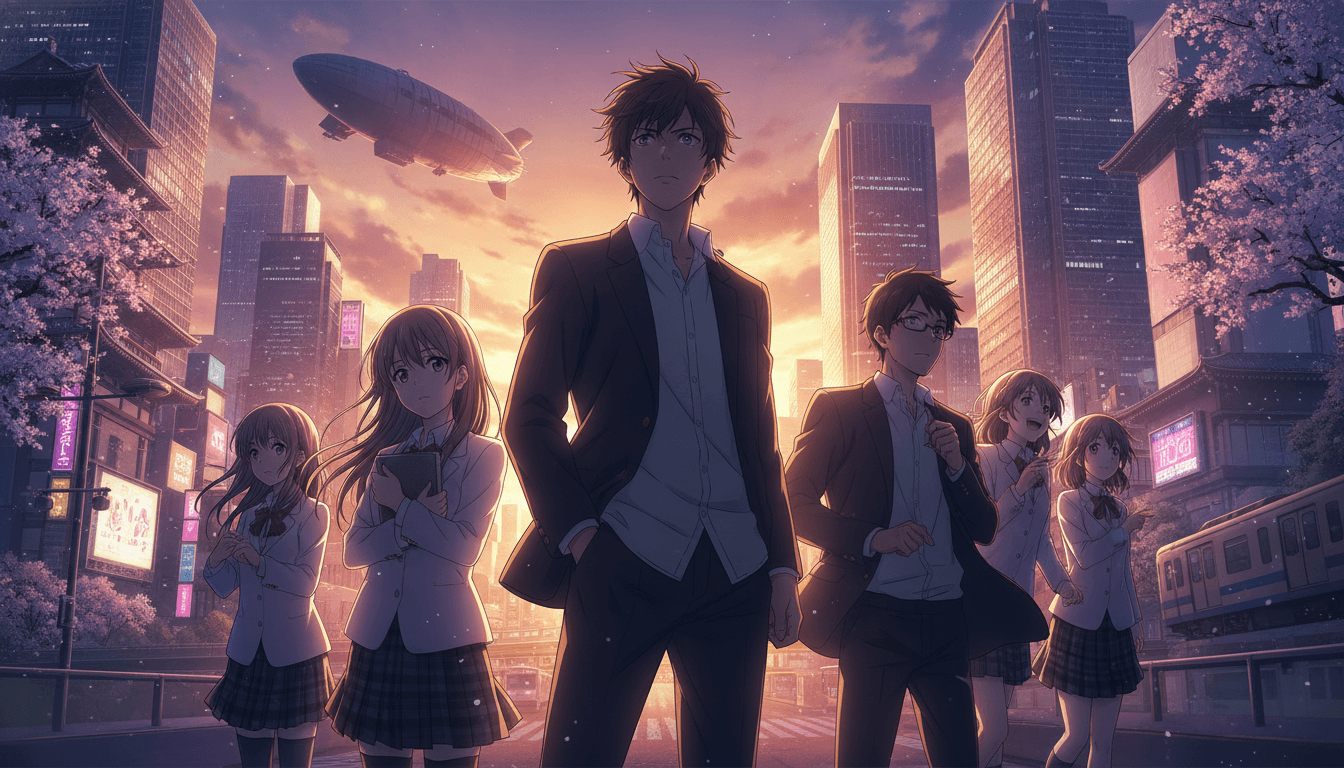
How the High School Anime Generator Works
You bring the story; the AI Film Director handles structure, cast, and screenplay. Here is the three-step path from script to a finished high school anime video.
Paste your story or script
Drop in a short story, a scene outline, or a full script. The director reads tone, characters, and beats, then plans a scene structure that fits a 30-second to few-minute piece.
Lock a consistent cast
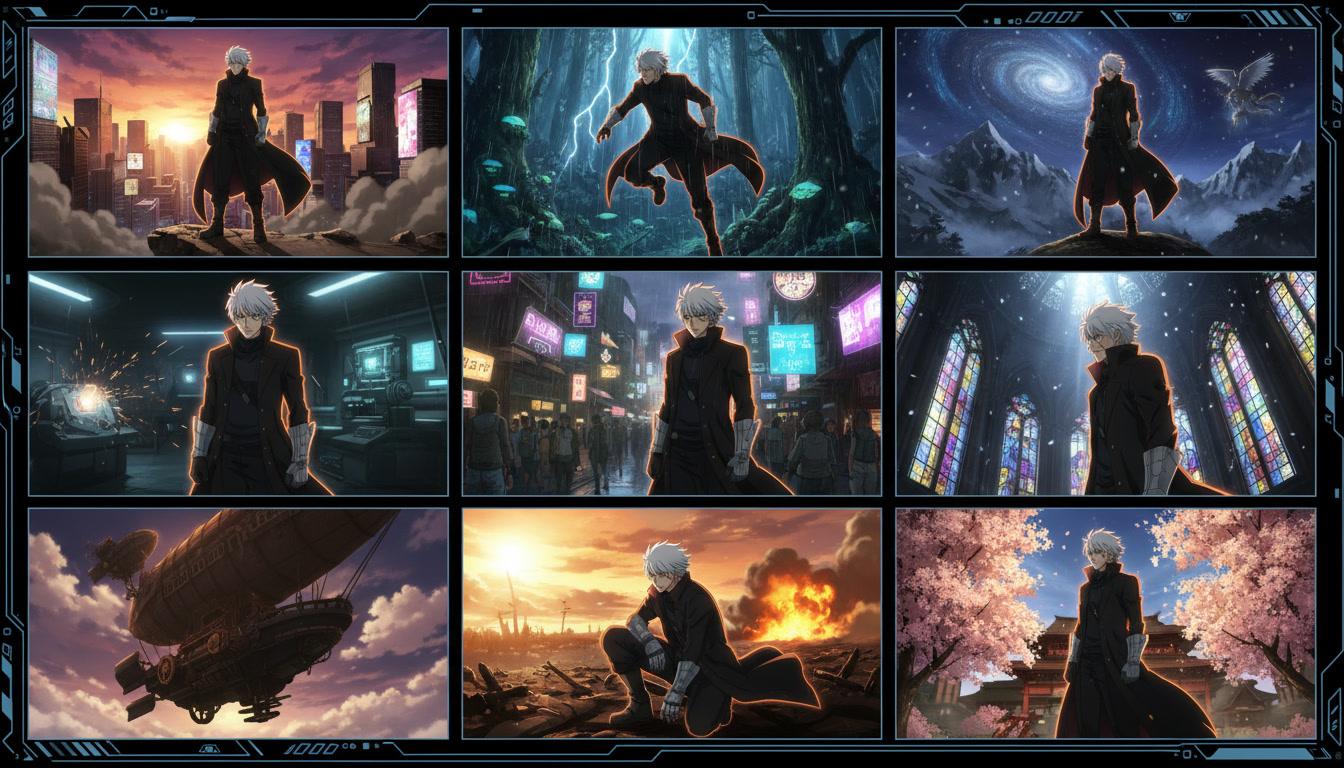
The generator designs your students, teachers, and club members with fixed faces, hair, and outfits. Those designs are reused in every shot so your cast never drifts between scenes.
Render voiced anime scenes
A real screenplay is written, then rendered as dialogue-driven anime video with voices and scene transitions. Longer stories are composed from multiple scenes rather than one long clip.
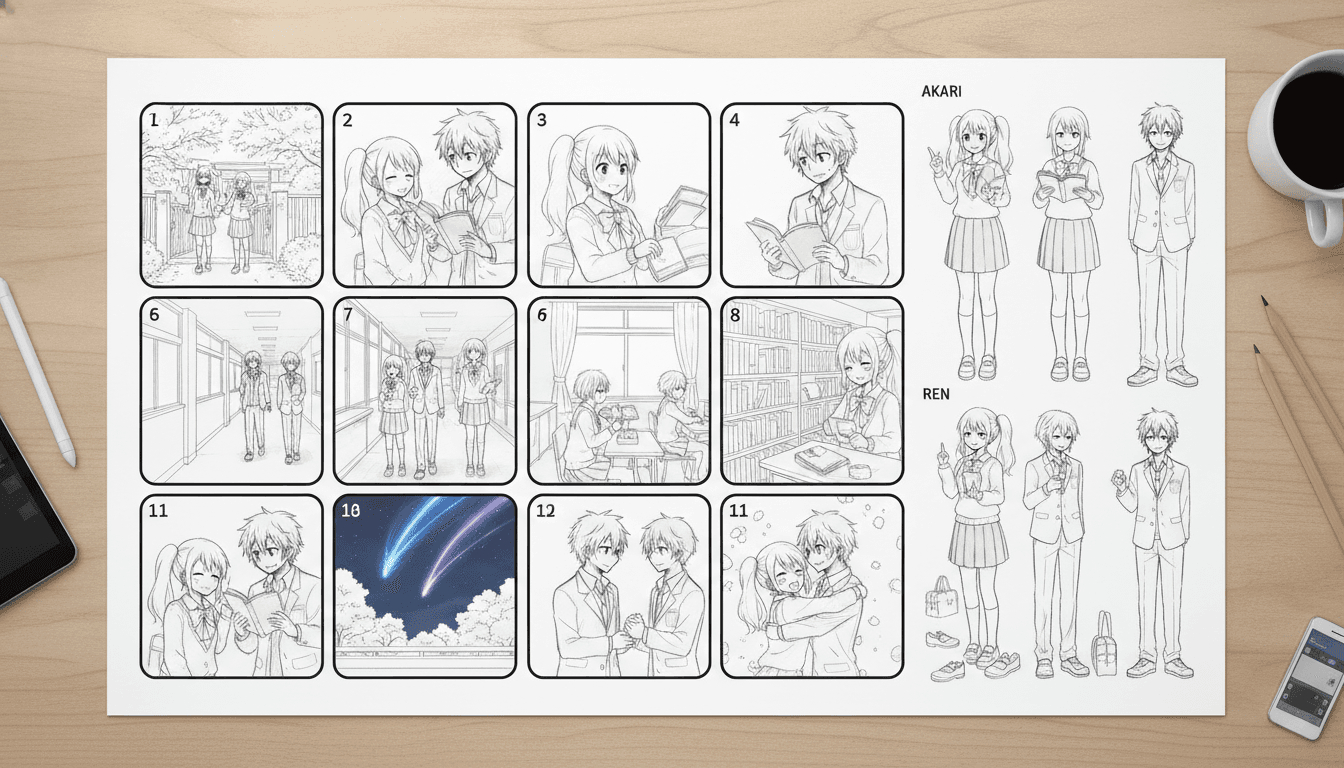
Why Use a High School Anime Generator Instead of a Generic Tool
A high school anime generator has to solve a specific problem: the same students appear in the classroom, the hallway, the rooftop, and the club room, and they must look like the same people every time. C2Anime's AI Film Director treats cast consistency as the first requirement, not an afterthought, so faces, hair, and uniforms hold steady across every shot in your high school anime video.
Genre tools also need genre grammar. School stories run on small rituals — the bell, the lunch break, the after-school walk — and on dialogue that carries the drama. C2Anime writes a screenplay with those beats and renders voiced scenes, so the result plays like an episode rather than a slideshow of moments.
Finally, the tool is built for finished video. You are not assembling stills or exporting a picture set; you are rendering scenes with dialogue and pacing. That makes it practical to test a high school anime ai concept quickly, then extend it into a longer piece by composing additional scenes.
Inside the High School Anime Generator: Cast, Screenplay, and Scenes
The pipeline starts with structure. Given your script, the AI Film Director breaks the story into scenes, decides where dialogue carries the emotion and where a quiet beat works better, and sets a runtime target. For a high school anime video, that often means a short arc: a setup in class, a turn at lunch or practice, and a closing moment on the way home.
Cast design comes next, and it is the part that separates a usable high school anime generator from a one-off image tool. Each character gets a fixed design — face shape, hair, eye color, uniform details — and that design is referenced in every shot. When your lead walks from the hallway to the roof, it is recognizably the same person.
Then the screenplay is written and rendered. Scenes are voiced, dialogue-driven, and cut together with transitions that fit the tone. C2Anime runs Seedance and MiniMax models for rendering, and the practical sweet spot is roughly 30 seconds to a few minutes per piece; longer runtimes are composed from multiple scenes rather than a single long clip. Access is invite-gated Early Access with paid credit tiers, so you join when a slot opens and render with credits.
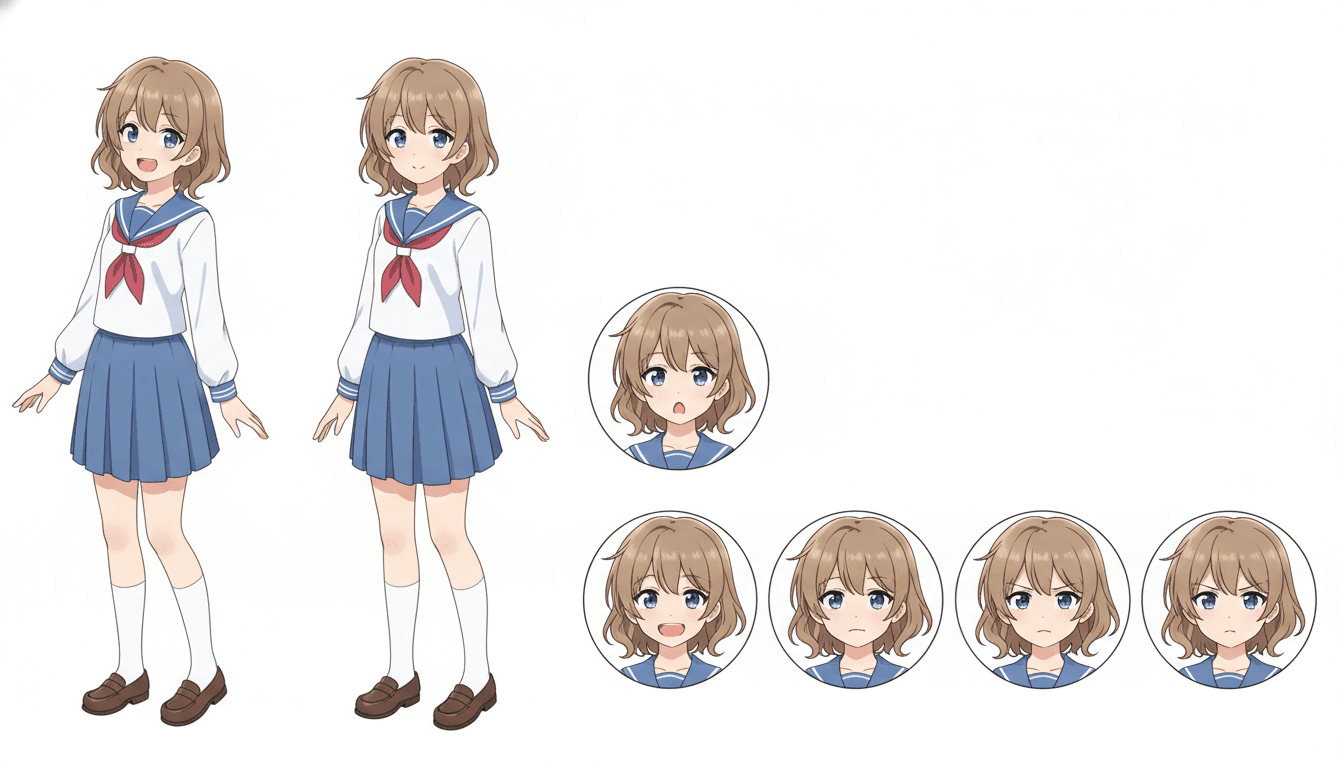
Features That Make the High School Anime Generator Useful
Consistent cast across every shot
Faces, hair, and outfits are locked at design time and reused in each scene, so your students stay recognizable from the classroom to the rooftop.
Real screenplay, not a prompt dump
The director writes dialogue and scene direction that fit school-story pacing, then renders voiced scenes from that script.
Scene-based runtime control
Build a 30-second teaser or a few-minute episode. Longer stories are composed from multiple scenes instead of one stretched clip.
Genre-aware direction
School rituals, club dynamics, and classroom tension are treated as story beats, so the high school anime ai output reads as the genre you asked for.
Who the High School Anime Generator Is For
Webnovel and fanfic writers You have a school-set story and want to see a scene move and speak. Paste a chapter or outline and get a voiced high school anime video to test tone and pacing.
Anime creators testing a genre You want to prototype a slice-of-life or school-drama concept without commissioning a full pilot. The generator gives you a consistent cast and a rendered scene to react to.
Small teams and solo directors You need a short piece for a pitch, a teaser, or a proof of concept. Scene-based composition lets you build a few-minute cut from multiple rendered scenes.
High School Anime Generator FAQ
- Is this a high school anime generator that makes video, or just images?
- It makes video. C2Anime renders voiced, dialogue-driven anime scenes from a screenplay, with transitions and pacing. You are not exporting a set of stills or a picture collection.
- How does the high school anime generator keep characters consistent?
- The AI Film Director designs each character once — face, hair, uniform, and distinguishing details — and references that design in every shot. That is why the same student looks the same in the classroom, the hallway, and on the roof.
- What runtime can I get from a high school anime video?
- The practical sweet spot is about 30 seconds to a few minutes per piece. Longer runtimes are composed from multiple scenes rather than one long clip, so you can build an episode in parts.
- Which models power the high school anime ai rendering?
- C2Anime runs Seedance and MiniMax for rendering. The AI Film Director handles structure, cast design, and screenplay before rendering begins.
- Can I try the high school anime generator for free?
- C2Anime is invite-gated Early Access with paid credit tiers. There is no free tier and no instant signup; you join when a slot opens and render using credits. Check the pricing page for current tiers.
- Can I make a longer school story with multiple episodes?
- Yes, by composing scenes. Each piece covers a short arc, and you can render additional scenes to extend the story. The generator is designed around scene-based composition rather than a single long render.
- Does it work for mystery or drama set in a school?
- It can, with care. For true-crime or mystery material, treat the output as dramatized and inspired-by: change or omit real names, avoid identifiable real victims, never accuse a named person, and stay general on open or living cases.
Render Your First High School Scene
Join the invite-gated Early Access, bring a script, and let the AI Film Director build a consistent cast and a voiced high school anime video.
Start your animeHigh School Anime Generator for Scripted School Stories
C2Anime's high school anime generator is built for creators who want a specific genre rendered as finished video. Instead of prompting for a single image, you hand over a story and the AI Film Director plans structure, designs a consistent cast, writes a screenplay, and renders voiced scenes. The result is a high school anime video you can watch, share, and iterate on — with characters who stay the same from the first bell to the last scene.
The workflow is deliberately scene-based. A 30-second teaser and a few-minute episode are both composed from scenes, and longer stories grow by adding scenes rather than stretching one clip. Rendering runs on Seedance and MiniMax, and the director handles the genre grammar of school stories: classroom setups, club dynamics, lunch-break turns, and after-school closings.
Access is invite-gated Early Access with paid credit tiers, so there is no free tier or instant signup. When a slot opens, you join, pick a credit tier, and start rendering. If you are prototyping a high school anime ai concept, begin with one scene, check the cast consistency, then extend into a longer piece.
For school-set mystery or drama, keep the framing dramatized and inspired-by: change or omit real names, avoid identifiable real victims, never accuse a named person, and stay general on open or living cases. Ready to see your script move? Head to the create page to start, or review the pricing page for credit tiers.