Mecha Anime Generator for Script-to-Video Scenes
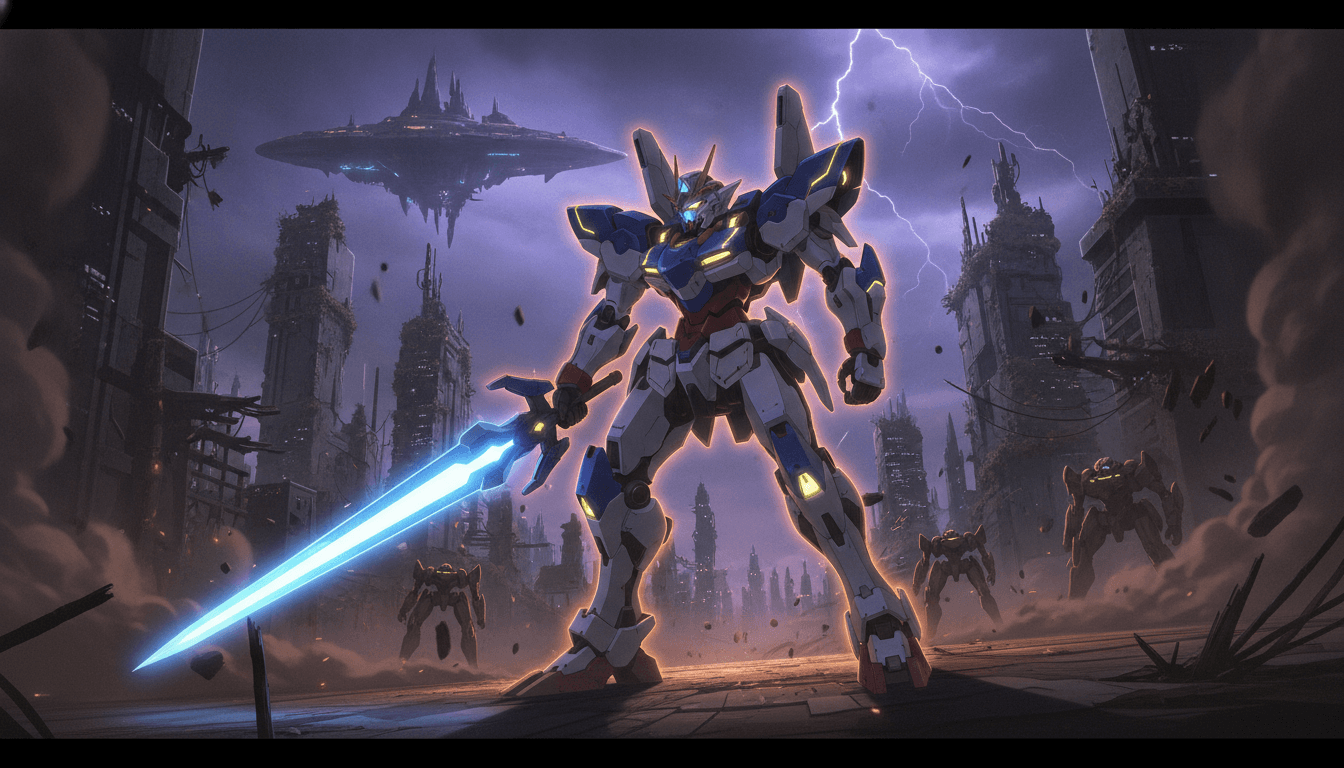
Paste a story, script, or novel excerpt and C2Anime's AI Film Director plans the structure, designs a consistent cast, writes a real screenplay, and renders voiced, dialogue-driven mecha anime video. Same faces, hair, and pilot suits across every shot. Built for scenes of roughly 30 seconds to a few minutes, with longer runtimes composed from multiple scenes.
How the Mecha Anime Generator Works
C2Anime is not a prompt-to-still tool. It is a pipeline that takes your written story and returns a finished video with planning, casting, screenplay, and voiced scenes.
Bring your script or story
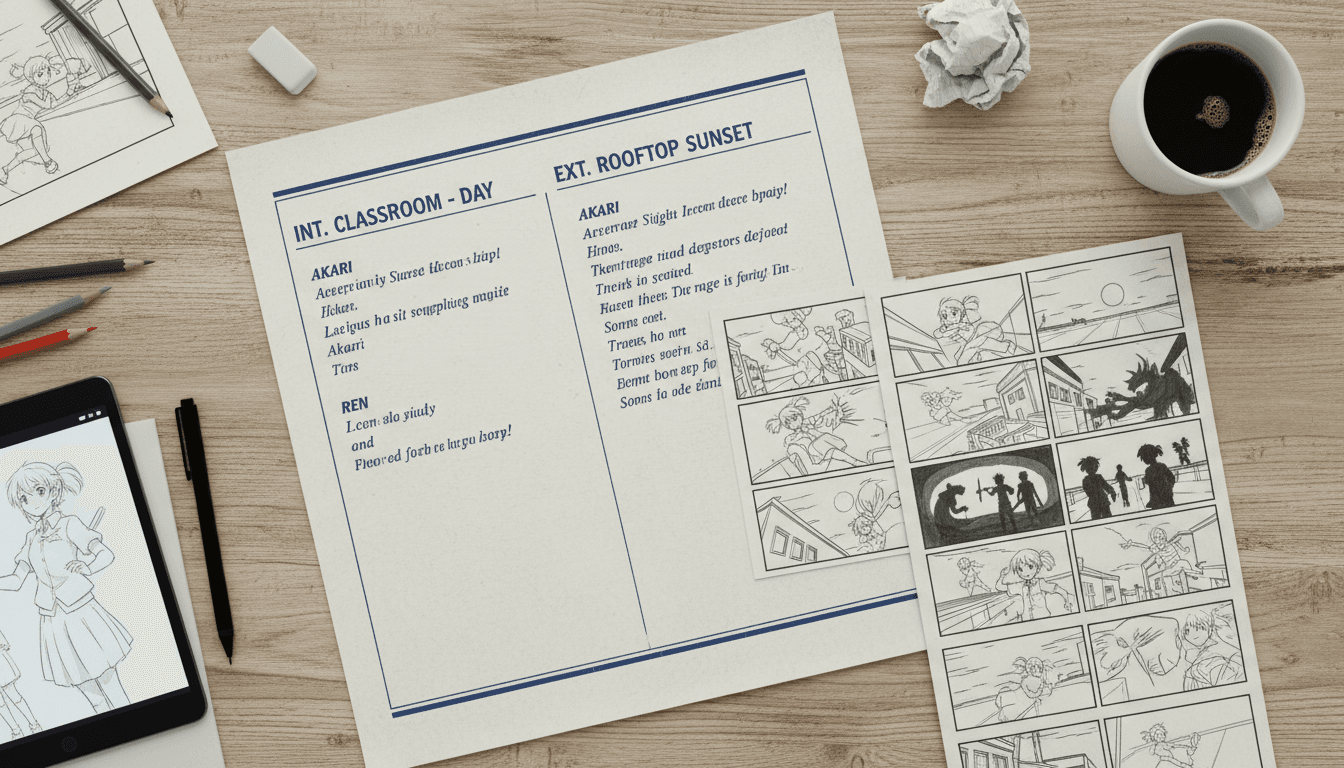
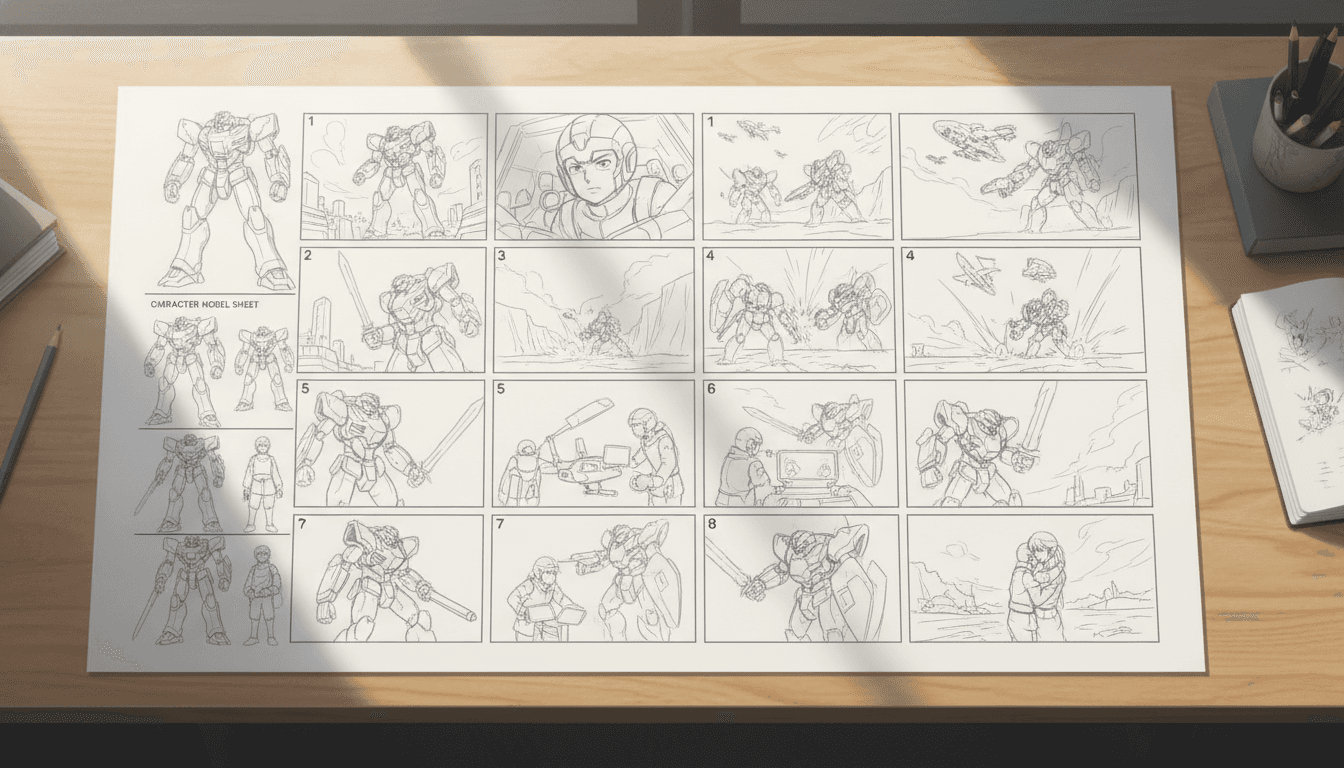
Paste a short story, a scene outline, or a novel excerpt. The AI Film Director reads it and proposes a scene structure, beats, and shot intent before anything is rendered.
Lock a consistent cast and mecha
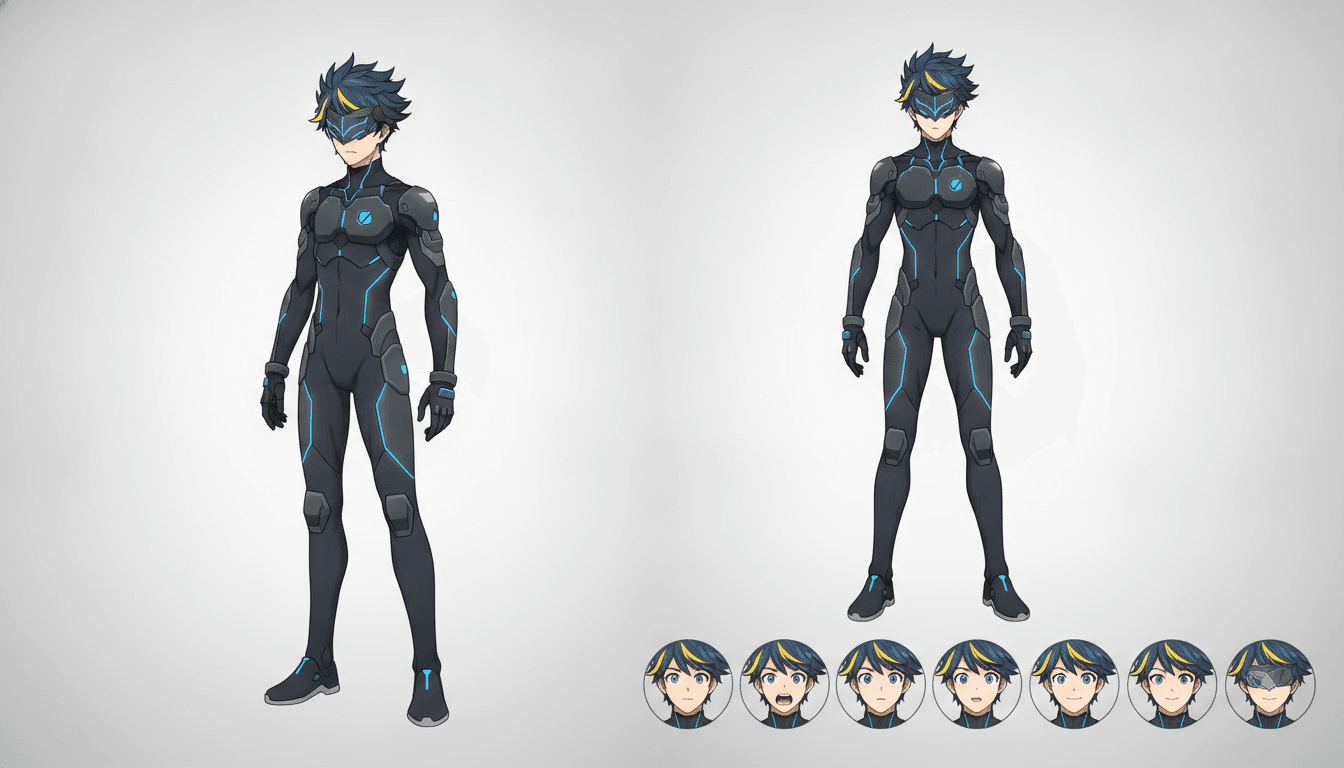
The director designs characters and machines that persist across shots: the same pilot face, hair, uniform, and mecha silhouette in every scene. You review and adjust the cast sheet.
Render voiced anime video
C2Anime writes a real screenplay with dialogue, then renders voiced, dialogue-driven scenes using Seedance and MiniMax. You get a finished mecha anime video, not a set of stills.
Why a Dedicated Mecha Anime Generator Beats Generic Prompts
Mecha stories live or die on continuity. A pilot's helmet, the cockpit layout, the shoulder armor, and the squad colors must match from the launch bay to the battlefield. A general-purpose image prompt will drift. A mecha anime generator built around a persistent cast keeps the same faces, hair, outfits, and machine design across every shot, so your audience reads it as one story instead of a collage.
The genre also needs structure. Mecha scenes are not just robots standing in a field; they are launch sequences, cockpit dialogue, tactical briefings, and emotional beats between pilots. C2Anime's AI Film Director plans that structure first, then writes a screenplay with actual dialogue, then renders voiced scenes. That order matters because it keeps the mecha action tied to character stakes.
Finally, you get video rather than a static deliverable. The output is a voiced, dialogue-driven anime video you can share, cut into a trailer, or use to pitch a longer project. The stable length sweet spot is about 30 seconds to a few minutes per piece, and longer runtimes are composed from multiple scenes rather than one long clip.
Inside the Mecha Anime AI Pipeline
The pipeline starts with planning. The AI Film Director parses your text into acts, scenes, and beats, then decides where dialogue carries the moment and where the mecha action should. You see the plan before rendering, which means you can fix pacing problems early instead of re-rolling clips.
Next comes casting. The director builds a cast sheet for your pilots, support crew, and rival faction, plus a design reference for each mecha. Those references are reused across shots so the same character appears with the same face, hair, and outfit whether they are in a hangar, a briefing room, or a cockpit. This is the part most mecha anime AI tools skip, and it is the part that makes a sequence feel watchable.
Then the screenplay and render. C2Anime writes scene dialogue and stage direction, then renders voiced anime video with Seedance and MiniMax. You can iterate on individual scenes, swap a line, or adjust a character note, and the cast consistency carries through. The result is a finished mecha anime video assembled from scenes, sized for the 30-second to few-minute sweet spot.
Mecha Anime Generator Features That Matter
Consistent cast across shots
Pilots keep the same face, hair, and outfit from the first frame to the last. Mecha designs persist too, so squad colors and armor silhouettes stay recognizable.
AI Film Director planning
Your story is broken into scenes and beats before rendering, with dialogue placed where it carries the scene. You can review and adjust the plan.
Real screenplay, voiced scenes
C2Anime writes dialogue and stage direction, then renders voiced anime video. The output is a dialogue-driven scene, not a silent montage.
Scene-based runtimes
Pieces work best from about 30 seconds to a few minutes. Longer stories are composed from multiple scenes rather than one long clip.
Who Uses This Mecha Anime Generator
Solo creators prototyping a series Test a pilot episode's tone, cast, and mecha design before committing to a longer production. Render a short scene and see how the characters read on screen.
Writers adapting a script Turn a scene outline or novel excerpt into a voiced video to hear the dialogue and see the pacing. Useful for table reads and pitch decks.
Small teams making genre shorts Produce a self-contained mecha short with a consistent cast, then build a longer piece by composing multiple scenes. Invite-gated early access keeps credit use predictable.
Mecha Anime Generator FAQ
- What exactly does the mecha anime generator produce?
- It produces a finished anime video with voiced, dialogue-driven scenes. The AI Film Director plans structure, designs a consistent cast, writes a screenplay, and renders the scenes. It does not output a set of still images or a picture-book style deliverable.
- How long can a mecha anime video be?
- The stable sweet spot is roughly 30 seconds to a few minutes per piece. Longer runtimes are composed from multiple scenes rather than one long continuous clip, so plan your story in scene-sized units.
- Will my pilot and mecha look the same in every shot?
- Yes, that is the core design goal. C2Anime builds a cast sheet and mecha references that persist across shots, so faces, hair, outfits, and machine silhouettes stay consistent from the hangar to the battlefield.
- Which models power the mecha anime AI?
- C2Anime runs Seedance and MiniMax for rendering. It does not claim to be powered by Sora, Kling, Veo, Runway, or Pika.
- Can I sign up right now?
- C2Anime is in invite-gated early access with paid credit tiers. There is no free tier and no instant open signup. You can review options on the pricing page and request access through the create flow.
- Is this a live-action or video-to-anime converter?
- No. C2Anime works from your written story, script, or novel excerpt. It does not convert live-action footage into anime, and it does not offer lip-sync as a feature.
- What kind of mecha stories work best?
- Launch sequences, cockpit dialogue, squad briefings, and rival-faction confrontations all fit the scene-based format. Keep each piece focused on a clear beat, then compose multiple scenes for a longer arc.
Build Your First Mecha Scene
Bring a script or story excerpt and let the AI Film Director plan the cast, write the screenplay, and render a voiced mecha anime video.
Start your animeMecha Anime Generator for Script-Driven Video
C2Anime is a mecha anime generator built for creators who need a consistent cast and a real screenplay, not a pile of disconnected clips. Paste your story, review the plan, lock your pilots and machines, and render voiced scenes with Seedance and MiniMax.
The product is in invite-gated early access with paid credit tiers. There is no free tier and no instant signup, so plan your scene lengths around the 30-second to few-minute sweet spot and compose longer pieces from multiple scenes.
If you are adapting a mystery, true-crime, or ghost story into a mecha frame, treat it as dramatized and inspired-by: change or omit names, avoid identifiable real victims, never accuse a named person, and stay general on open or living cases.
Ready to see how your mecha anime video comes together? Start at /create to request access, or visit /pricing to compare credit tiers.