Anime for Faceless YouTube: Turn Scripts Into Voiced, Consistent Video
C2Anime takes your story, script, or novel and builds a finished anime video—complete with a consistent cast, a real screenplay, and voiced dialogue-driven scenes. It's designed for faceless channel operators who need repeatable, publishable episodes without showing a face.
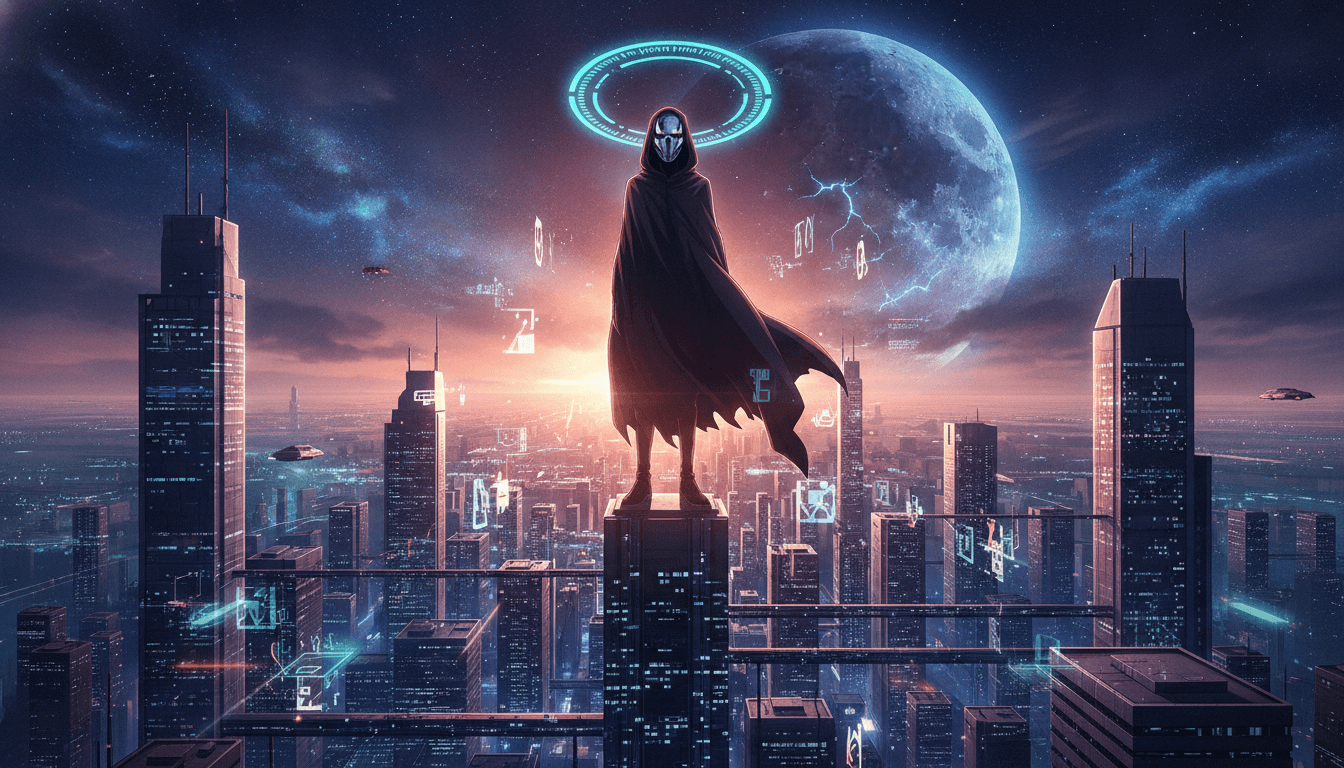
How C2Anime Builds Anime for Faceless YouTube AI Workflows
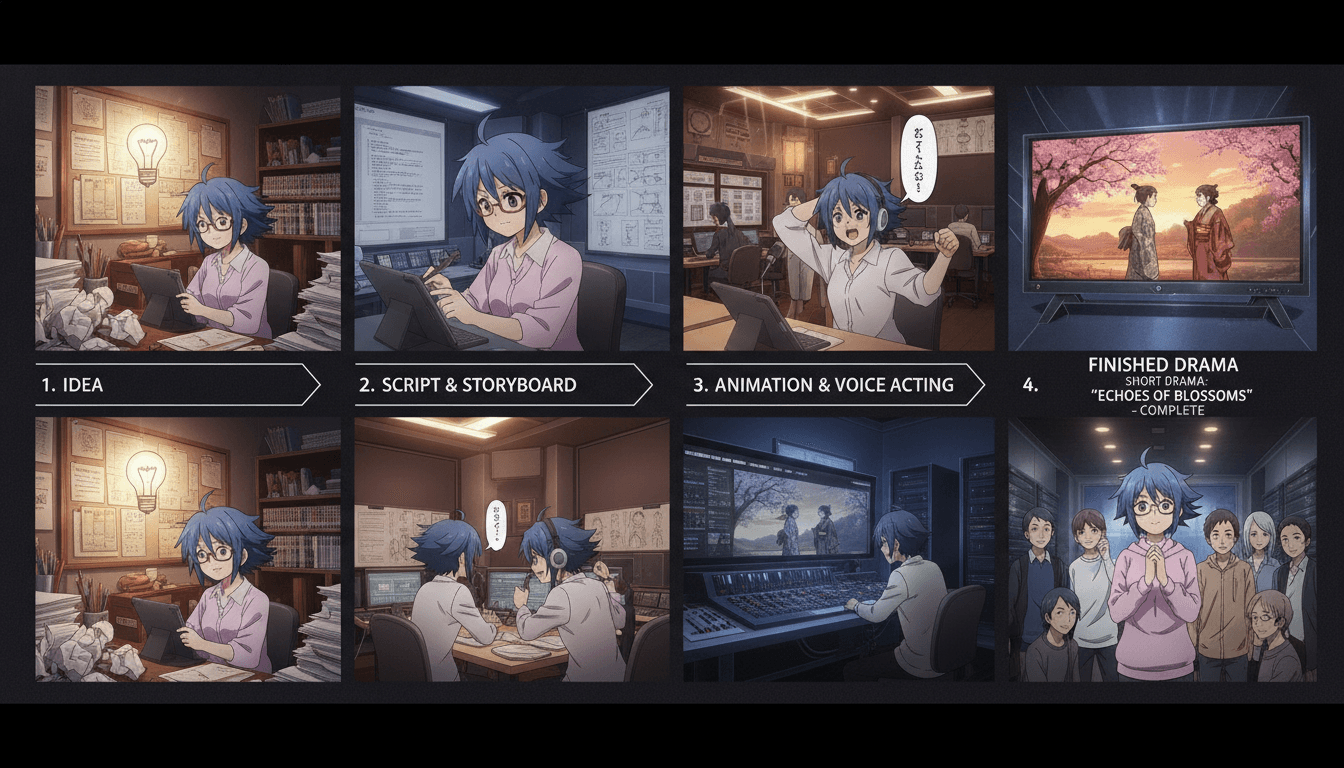
You bring the story; C2Anime acts as an AI Film Director that plans the structure, locks the cast, writes the screenplay, and renders voiced scenes. It's built for faceless creators who need a repeatable pipeline rather than one-off clips.
Paste your script or story
Drop in a short story, a chapter, or a script. The AI Film Director reads it and proposes a scene structure with beats, dialogue, and shot intent.
Lock a consistent cast
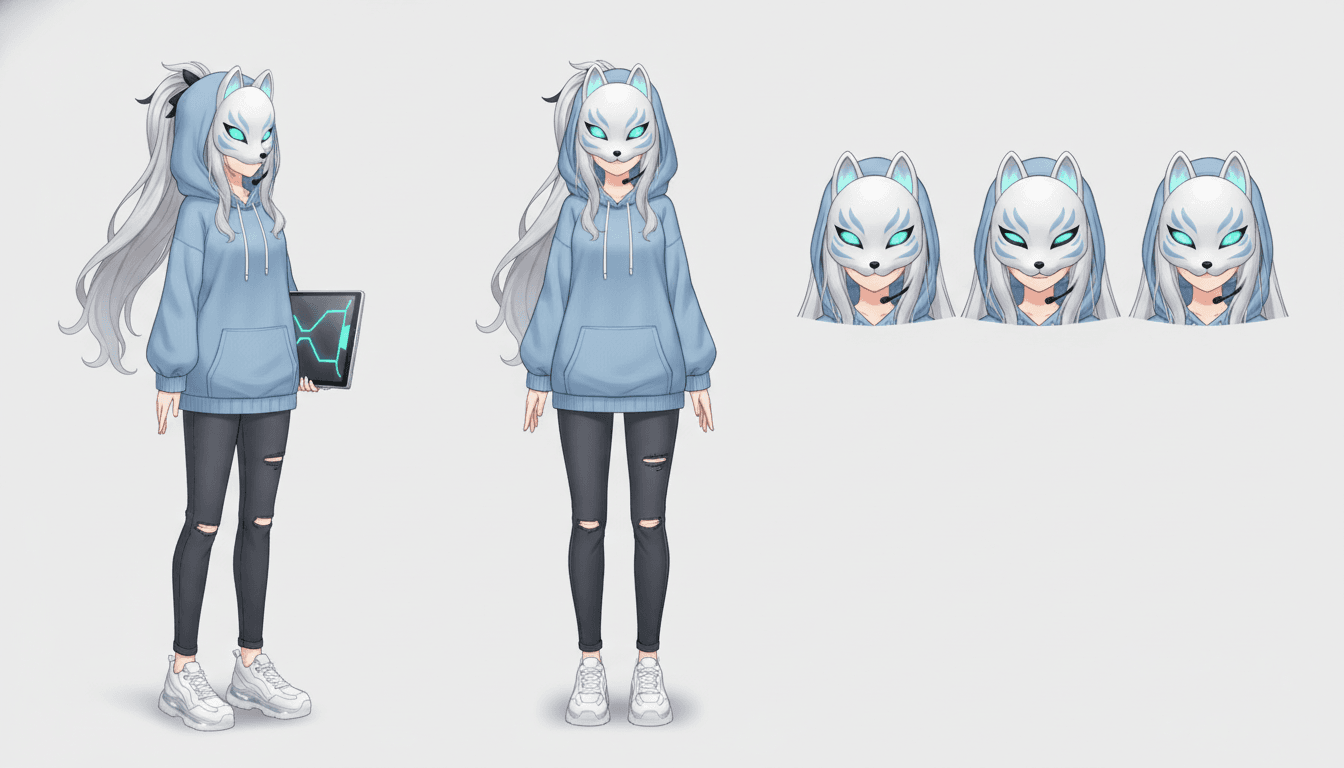
C2Anime designs characters once—faces, hair, outfits—and reuses them across every shot so your faceless channel keeps a recognizable look. You can adjust designs before rendering.
Render voiced anime scenes
The director renders dialogue-driven anime scenes with voices, then stitches them into a finished video. Stable output runs about 30 seconds to 3–4 minutes per piece; longer episodes are built from multiple scenes.
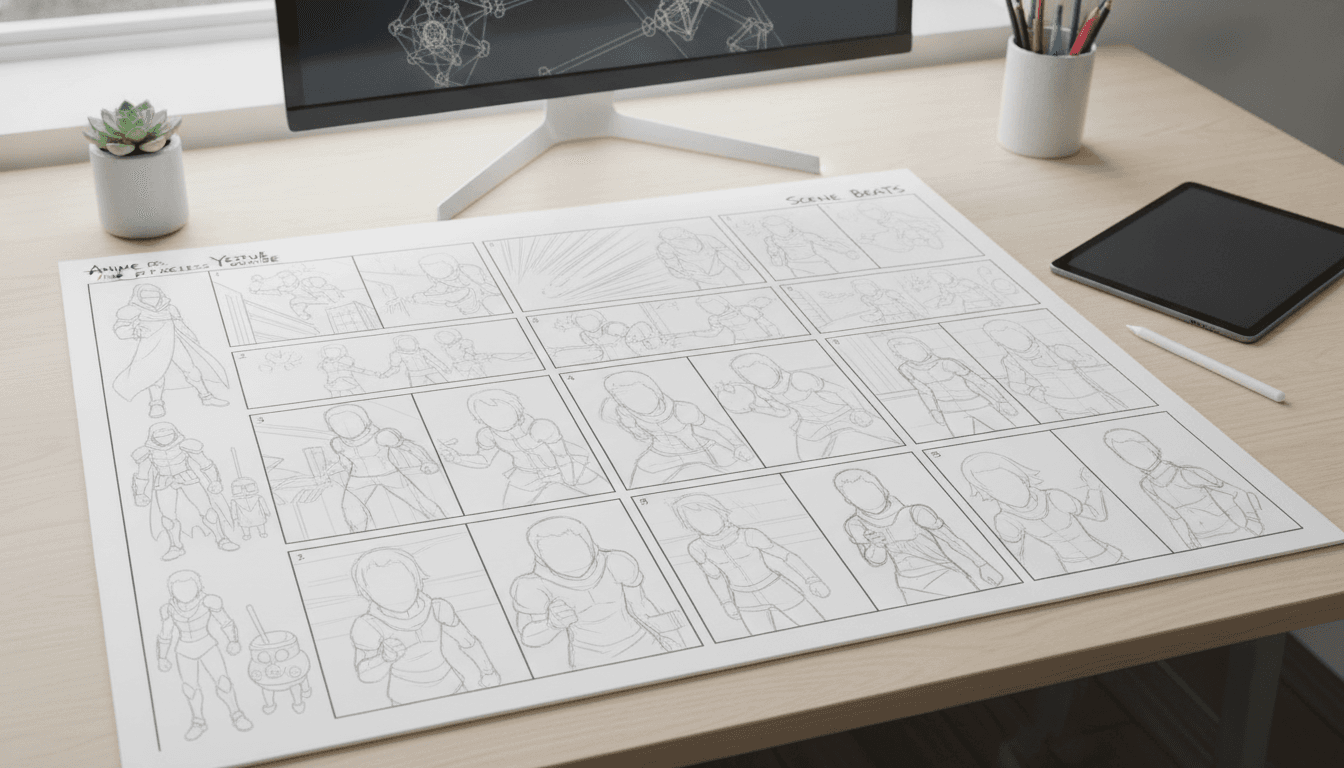
Why Anime for Faceless YouTube Channels Needs a Consistent Cast
Anime for faceless YouTube lives or dies on consistency. If your protagonist's hair color, outfit, or face changes between shots, viewers drop off—especially in serialized story channels where the same cast returns every episode. C2Anime treats cast consistency as the core problem: characters are designed once and reused across every rendered shot, so a series can look like a series.
Faceless channels also need speed without sacrificing structure. C2Anime doesn't just generate clips; it plans a screenplay with dialogue and scene beats first. That means your video has pacing, not just pretty frames—important when your audience is following a plot across episodes.
Finally, faceless operators publish on schedules. C2Anime's model lineup (Seedance and MiniMax) is tuned for repeatable anime scene rendering, and the invite-gated Early Access with paid credit tiers is built for creators who plan to publish regularly rather than experiment once. You can start at /pricing to see the credit tiers.
Honest length note: stable output is roughly 30 seconds to 3–4 minutes per piece, with single scenes capped around 15 seconds. Longer runtimes are composed by stitching multiple scenes—there is no single long continuous clip.
Deep Dive: Anime for Faceless YouTube Video, From Script to Screen
Most AI video tools give you a clip. C2Anime gives you a directed piece: the AI Film Director breaks your script into scenes, assigns dialogue, and renders each scene with the same cast. For faceless YouTube video, that means you can publish an episode that feels authored—characters speak, react, and move through a planned structure—without ever appearing on camera.
The screenplay step matters more than it sounds. Faceless story channels often fail because the visuals don't match the narration's pacing. C2Anime writes a real screenplay with dialogue lines and scene transitions, so the rendered anime scenes follow the story's rhythm rather than random clip generation.
On honesty and safety: if your faceless channel covers true-crime, mystery, or ghost stories, frame them as dramatized, inspired-by content. Change or omit real names, avoid identifiable real victims, never accuse a named person, and stay general on open or living cases. C2Anime is a video creation tool—it does not verify facts or clear legal risk for you.
Length caveat again, because it affects planning: stable pieces run about 30 seconds to 3–4 minutes, with each scene capped near 15 seconds. For longer episodes, plan multi-scene stitching from the start—C2Anime is built for that composition workflow, not for one long unbroken render.
Features That Make Anime for Faceless YouTube Practical
Consistent cast across shots
Design a character once—face, hair, outfit—and reuse them in every scene. This is the difference between a channel that looks intentional and one that looks assembled from random clips.
AI Film Director with screenplay
C2Anime plans structure and writes dialogue-driven scenes before rendering. You get pacing and story beats, not just isolated visuals.
Voiced, dialogue-driven scenes
Scenes are rendered with voices so your faceless channel can carry conversation and narration without you recording a performance.
Multi-scene composition for longer episodes
Stable output is about 30 seconds to 3–4 minutes per piece, with single scenes capped near 15 seconds. Longer runtimes are composed by stitching multiple scenes—plan episodes in segments.
Who Anime for Faceless YouTube AI Is For
Faceless story channels Operators publishing serialized anime-style stories on YouTube or TikTok who need a repeatable cast and a screenplay-first pipeline.
Script-first creators Writers and narrators who already have scripts or novels and want them turned into voiced anime video rather than static visuals.
Small teams on a schedule Creators who publish regularly and need consistent characters across episodes—without a full animation studio or on-camera talent.
FAQ: Anime for Faceless YouTube
- How long can a C2Anime video be for faceless YouTube?
- Stable output is roughly 30 seconds to 3–4 minutes per piece, and each single scene is capped around 15 seconds. Longer episodes are composed by stitching multiple scenes. There is no single long continuous clip, so plan longer runtimes as multi-scene builds.
- Will my characters look the same across shots in anime for faceless YouTube video?
- Yes—cast consistency is the core design goal. C2Anime designs characters once and reuses faces, hair, and outfits across every rendered shot. You can adjust designs before rendering, but the system is built to keep the same cast recognizable across a piece.
- What does 'AI Film Director' actually do in anime for faceless YouTube AI?
- It plans the structure of your story, designs the cast, writes a real screenplay with dialogue, and renders voiced anime scenes. It is a planning-plus-rendering pipeline, not a single-clip generator.
- Which models power C2Anime?
- C2Anime runs on Seedance and MiniMax for anime scene rendering. It does not use Sora, Kling, Veo, Runway, or Pika.
- Can I use true-crime, mystery, or ghost stories?
- You can, but frame them as dramatized, inspired-by content. Change or omit real names, avoid identifiable real victims, never accuse a named person, and stay general on open or living cases. C2Anime does not verify facts or clear legal risk.
- Is there a free tier or instant signup?
- C2Anime is invite-gated Early Access with paid credit tiers. There is no free tier or unlimited plan, and signup is not instant—check /pricing for credit tiers and /create to start when you have access.
- Does C2Anime do lip-sync or live-action-to-anime conversion?
- No. C2Anime renders voiced, dialogue-driven anime scenes but does not offer lip-sync as a feature, and it does not convert live-action video into anime. It works from your story, script, or novel.
Ready to build your faceless anime channel?
Bring a script and let the AI Film Director plan the cast and scenes. Start at /create or review credit tiers at /pricing.
Start your animeAnime for faceless YouTube, built for repeatable episodes
C2Anime is a video creation tool for anime for faceless YouTube—designed for creators who publish story-driven episodes without appearing on camera. It plans structure, locks a consistent cast, writes a screenplay, and renders voiced anime scenes from your script or novel.
The stable length sweet spot is about 30 seconds to 3–4 minutes per piece, with single scenes capped near 15 seconds; longer episodes are composed from multiple stitched scenes. Plan your faceless YouTube video in segments and let the director handle pacing and dialogue.
C2Anime runs on Seedance and MiniMax and is invite-gated Early Access with paid credit tiers—no free tier, no unlimited plan, no instant signup. Visit /pricing for credit tiers and /create to begin when you have access.
If your faceless channel covers true-crime, mystery, or ghost stories, present them as dramatized, inspired-by content: change or omit names, avoid identifiable real victims, never accuse a named person, and stay general on open or living cases.