Anime for game studios, without booking an animation house
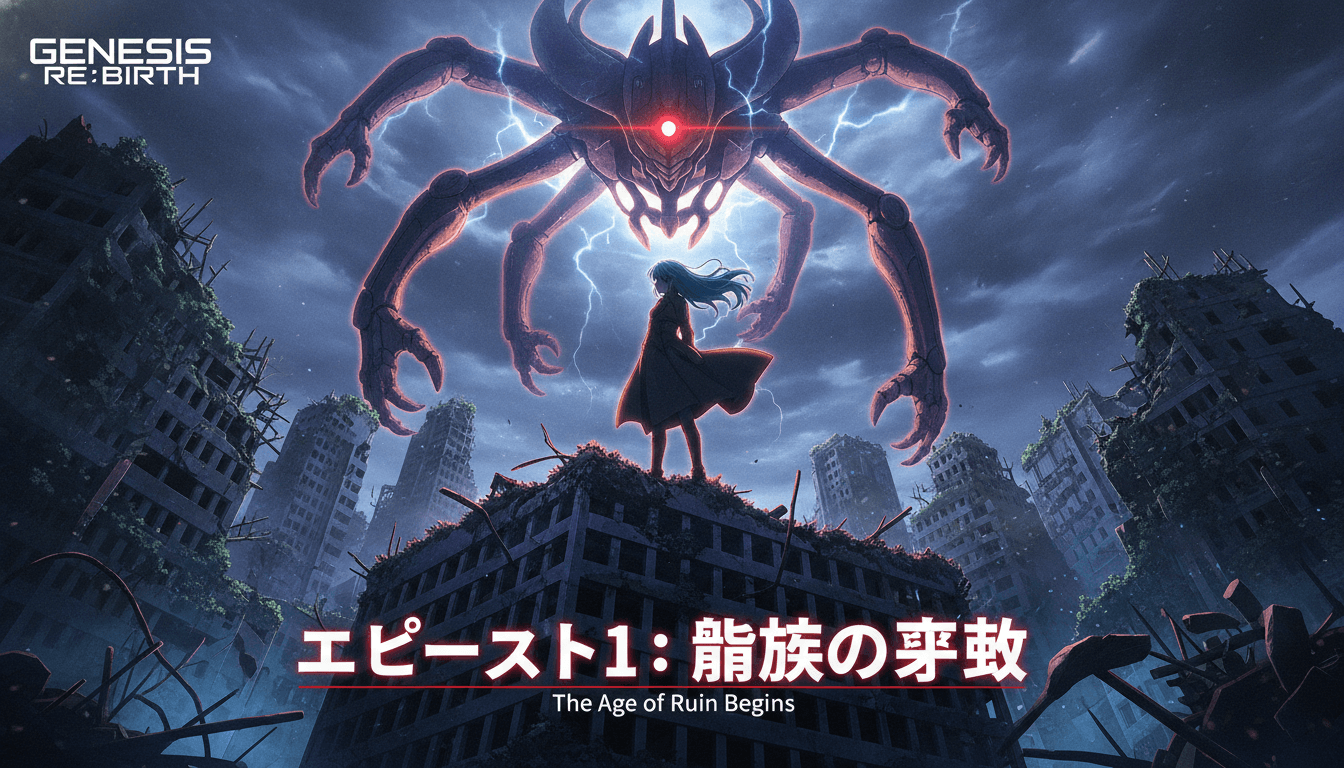
Your world already has the lore. C2Anime is anime for game studios that don't have an animation team on staff: paste a script page or a quest outline and an AI Film Director turns it into a voiced anime cutscene or trailer, built around a cast that stays on model from the tutorial to the final boss.
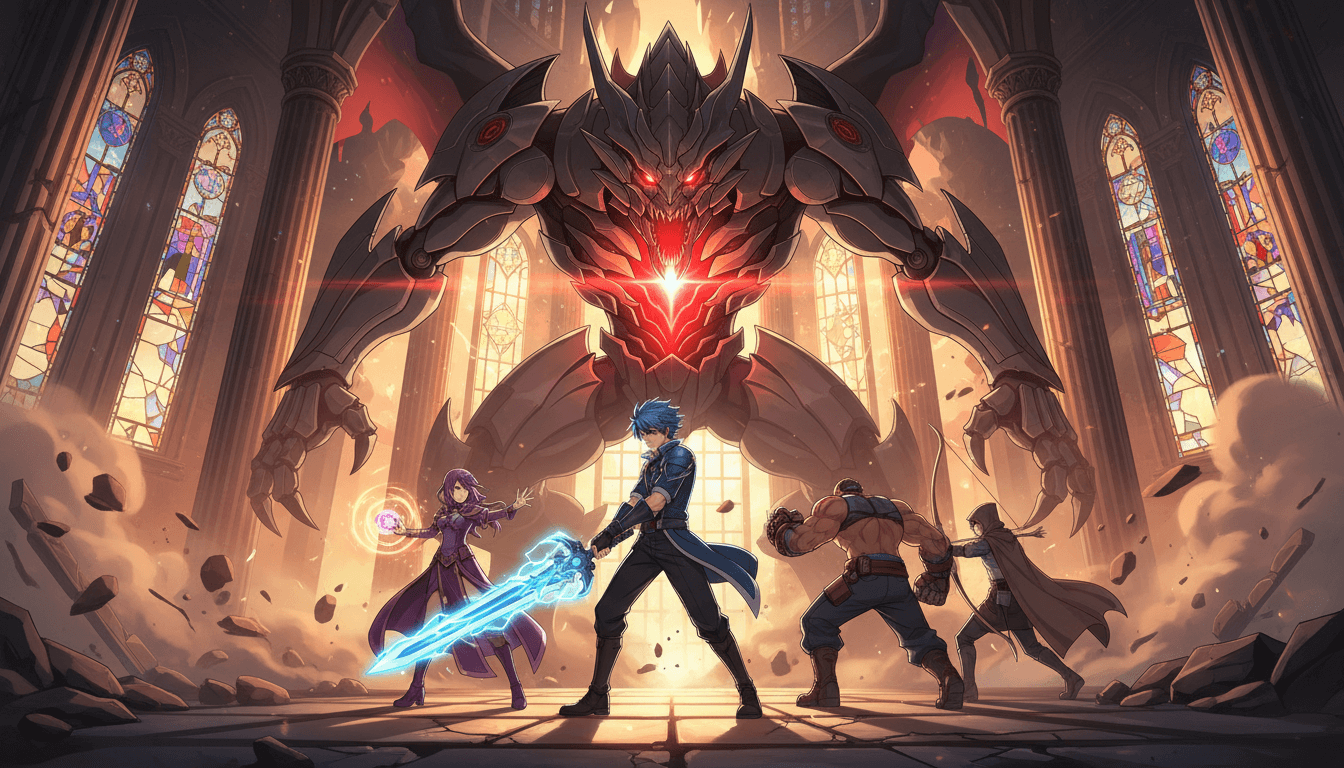
How anime for game studios works
Three stages, in this order, so a cutscene comes back as a scene instead of a pile of disconnected shots.
Hand over the lore
Paste your story bible, a script page, or a quest outline. The AI Film Director reads it like a narrative designer reviewing a beat sheet, looking for the moments that need to be seen, not just read.
It plans the cutscene
Structure first: which beats need a cutscene, who is on screen, and what the shot list looks like. You review the plan before a single frame renders.
It shoots the scene
Each shot is staged, voiced and rendered with a cast the director designed for your world, so your protagonist looks the same in the boss fight as in the tutorial.
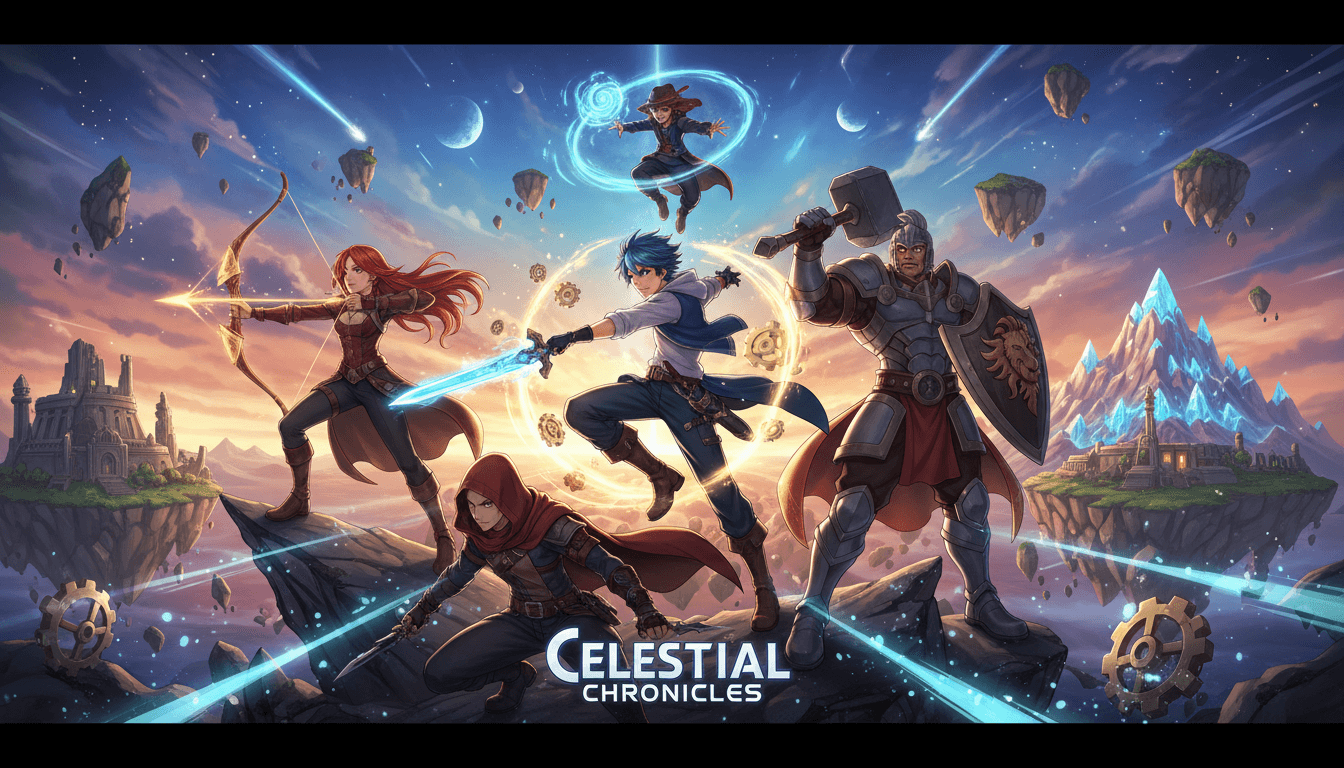
Why studios end up without a cutscene
Booking an outside animation studio for a cinematic is expensive and slow, and it usually needs a locked script months in advance. For an indie team, or a mid-size studio without an animation department, the cutscene is often the first thing cut from scope.
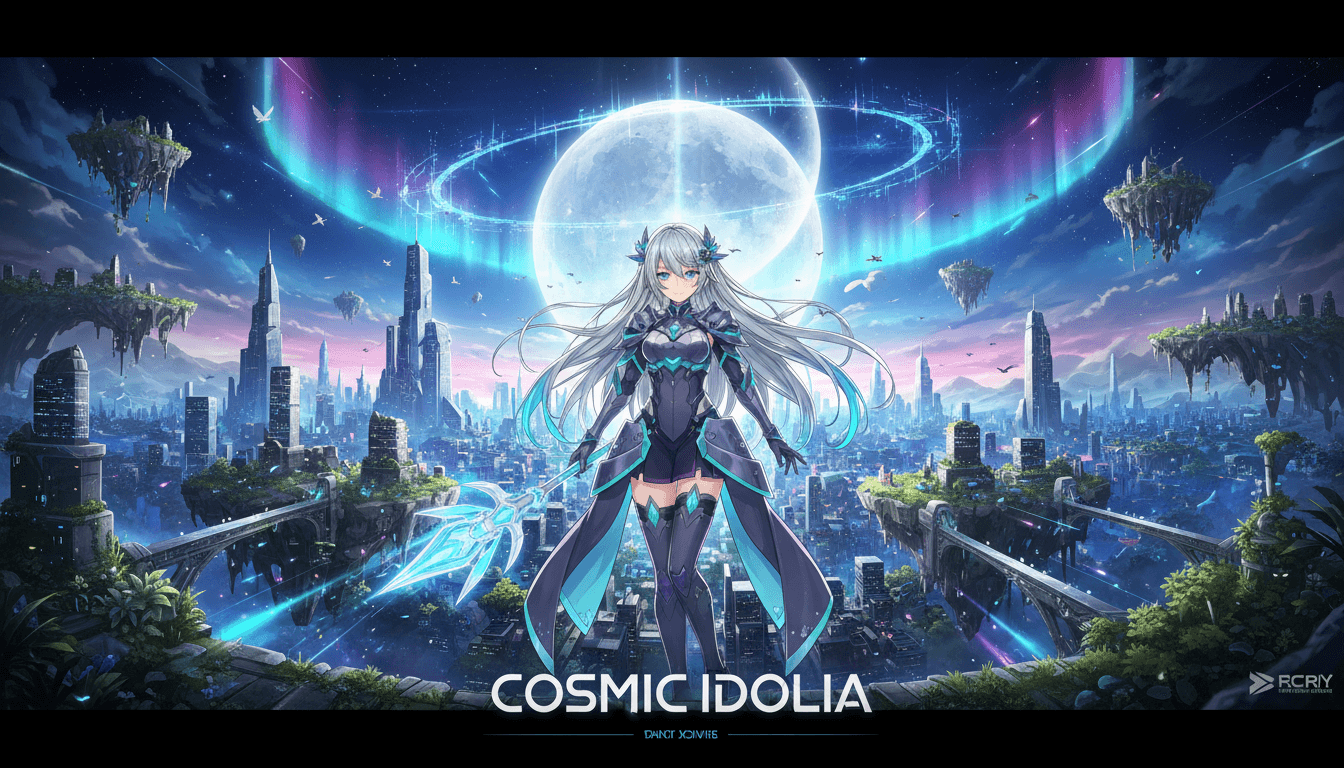
A generic stock asset pack doesn't match your world either. Your protagonist has a specific silhouette, your antagonist a specific presence, and swapping in a generic anime template makes the trailer look like it belongs to a different game.
The result: games ship without the cinematic moment that would have sold the story, or the story bible sits unused because there was never a way to see it move.
Your cast stays on model, boss fight to epilogue
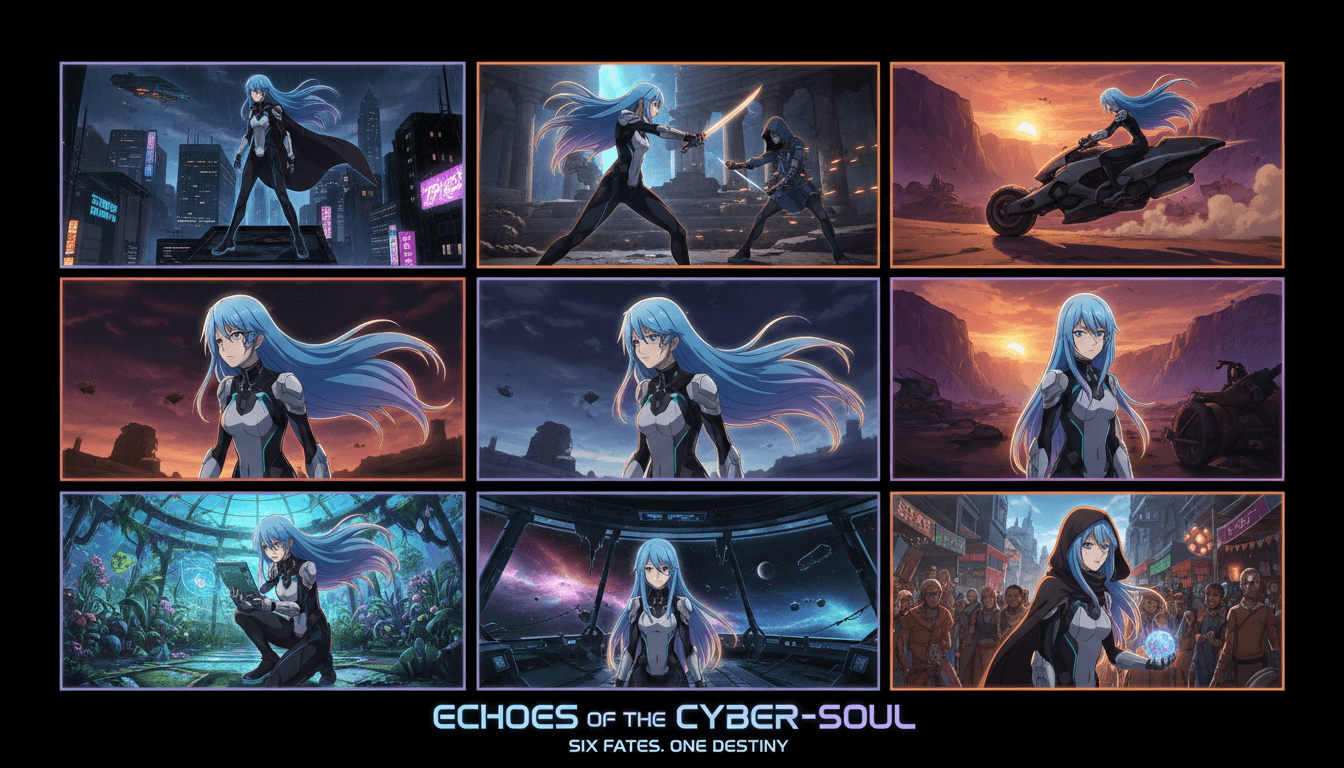
Ask anyone who has tried generating game cinematics shot by shot what breaks first, and it's the characters. Armor changes color, a companion's face drifts, and a side character introduced in the prologue is unrecognizable by the finale.
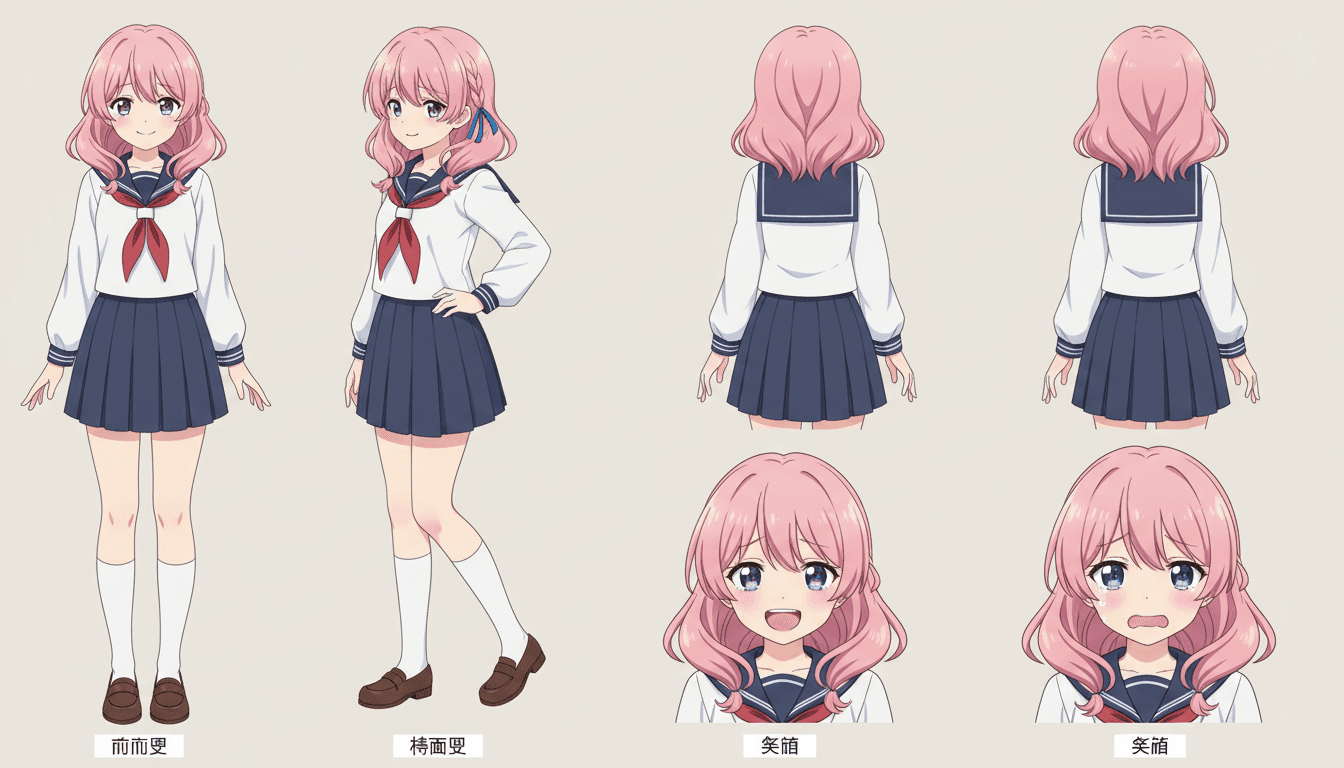
C2Anime designs each character once, up front, and treats that design as a fixed reference for the rest of the production. When your hero walks into the boss arena, the director is not reinventing them; it is reusing the same reference it built at the start.
That is what makes a trailer and every cutscene in the campaign feel like one production instead of a set of unrelated clips.
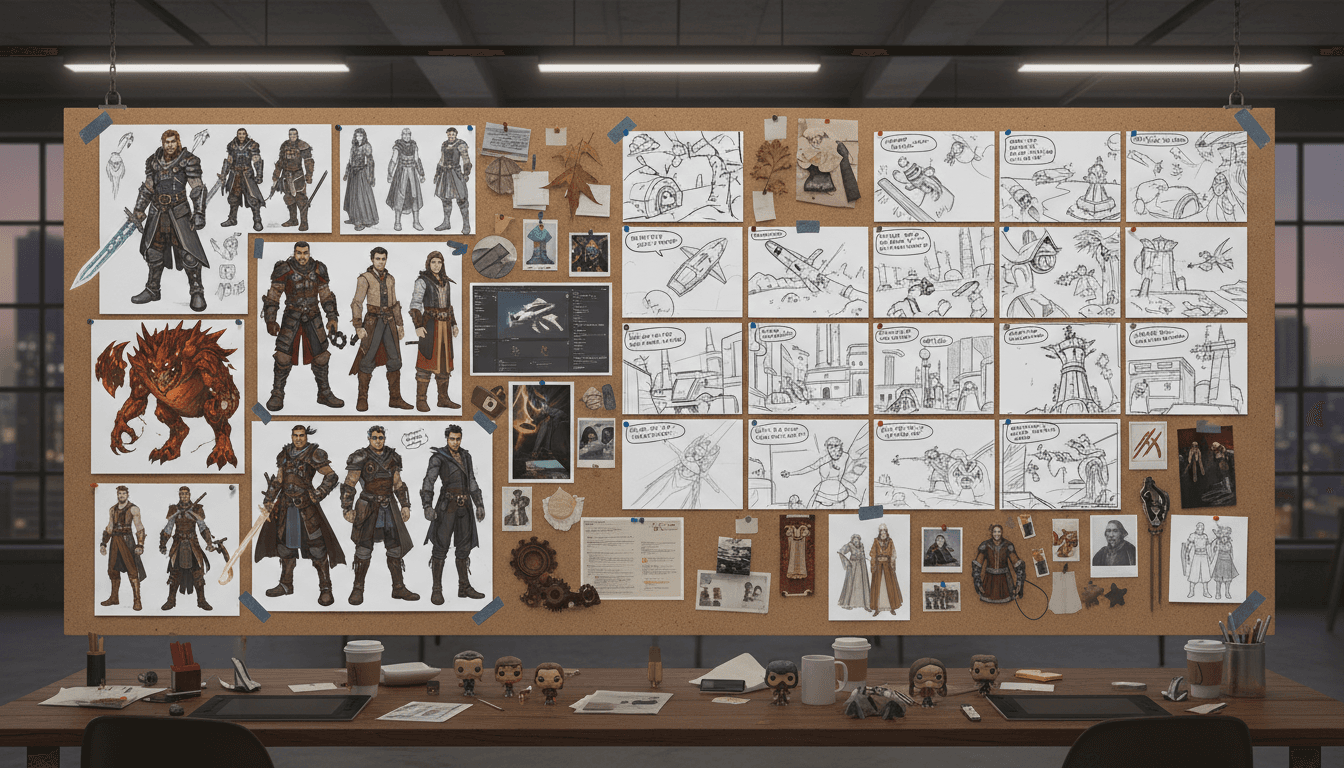
What C2Anime handles for your studio
One cast across every cutscene
Design your hero party once and reuse them across a trailer or every cutscene in your campaign, without re-briefing an artist scene by scene.
A screenplay, not a prompt queue
The director writes real scene headings, action lines and dialogue before rendering, so a cutscene reads like a script your narrative team would recognize.
Dialogue players can hear
Boss taunts, party banter and cutscene reveals are voiced scenes, not narration laid over concept art.
Built for combat and quiet beats alike
From an exposition scene in a tavern to a boss reveal on a battlefield, the same consistent cast and world carry through every cutscene you generate.
Who this is for
Indie studios without an animator. You have the lore and the script. What you have never had is a way to see the key story beat move without hiring one.
Mid-size studios prototyping a trailer. Test how a cinematic moment lands before committing budget to a full production pipeline.
Narrative designers. See your script move before it goes anywhere near an art department, so notes happen on the plan instead of on finished art.
Anime for game studios: common questions
- What is anime for game studios used for?
- Anime for game studios means turning your existing lore, script pages or quest outlines into a voiced anime cutscene or trailer, without booking an animation studio. Studios use it for pre-production trailers, key story beats, and marketing clips that need to look like your game world, not a stock asset.
- Can I use my own game lore and script?
- Yes. Paste your story bible, a script excerpt or a quest outline and the director works from what you already wrote. It plans the scene breakdown and dialogue around your material rather than inventing a new story.
- Will my characters stay consistent across cutscenes?
- That is the core of how C2Anime works. Your cast is designed once and reused as a fixed reference for every scene, so a hero’s armor and a companion’s face do not change between the intro cutscene and the finale.
- Is this different from an in-engine cinematic?
- Yes. C2Anime renders a hand-drawn-style anime video from a script, not a real-time in-engine sequence. It is suited to key story beats, trailers and marketing content rather than gameplay-triggered cutscenes.
- Can I make a trailer, not just a story cutscene?
- Yes. Give the director a trailer brief instead of a full script and it will plan a shorter, punchier sequence built around your cast and key art moments.
- Do I need a narrative background or animation experience?
- No. You need the lore and the beats you want to hit. The director handles staging, casting and voice; you review and adjust the plan.
- How is anime for game studios different from a generic anime generator?
- A generic generator renders whatever a single prompt describes, shot by shot, with no memory between them. C2Anime plans the whole cutscene first, holding your cast and world in mind, so the shots add up to a scene instead of a pile of unrelated clips.
Using anime for game studios trailers and cutscenes
Anime for game studios is a different production model from either hiring an outside animation house or generating disconnected clips from a text-to-video model. C2Anime reads your lore, script pages or quest outline, plans which beats deserve a cutscene, designs a cast that matches your world, writes a real screenplay with dialogue, and renders scene after scene against that plan. The plan is visible and editable before anything renders, which matters when a narrative team needs to give notes.
Game cinematics live or die on continuity. A boss reveal only lands if the boss looked the same in the teaser trailer. A companion's arc only reads if their face and outfit carry through the campaign. Tools that generate one shot at a time have no memory of the last shot, so this kind of continuity is exactly what they can't deliver. Planning the whole cutscene first, with a fixed cast reference, is what keeps a game's anime content on model.
This matters most for studios without an in-house animation pipeline. A single marketing clip can survive some inconsistency; a campaign with a recurring cast across multiple cutscenes cannot. If your ambition is a trailer, a key story cutscene, or a whole campaign of them, the production needs to be planned as one thing rather than a series of separate prompts.
C2Anime works from whatever your studio already has: a story bible, a script excerpt, a quest outline, or a trailer brief. It stages the scenes, keeps the cast on model, and renders anime with voiced dialogue at the center instead of narration over concept art. Bring the lore; the director will shoot the cutscene.