Turn a true crime story into an anime video
C2Anime takes your written true crime script and directs it into an anime short: it breaks the story into scenes, designs a cast that stays on model, and renders voiced, dialogue-driven shots. You get a dramatized retelling built for a faceless channel — not a face-cam, not a slideshow.
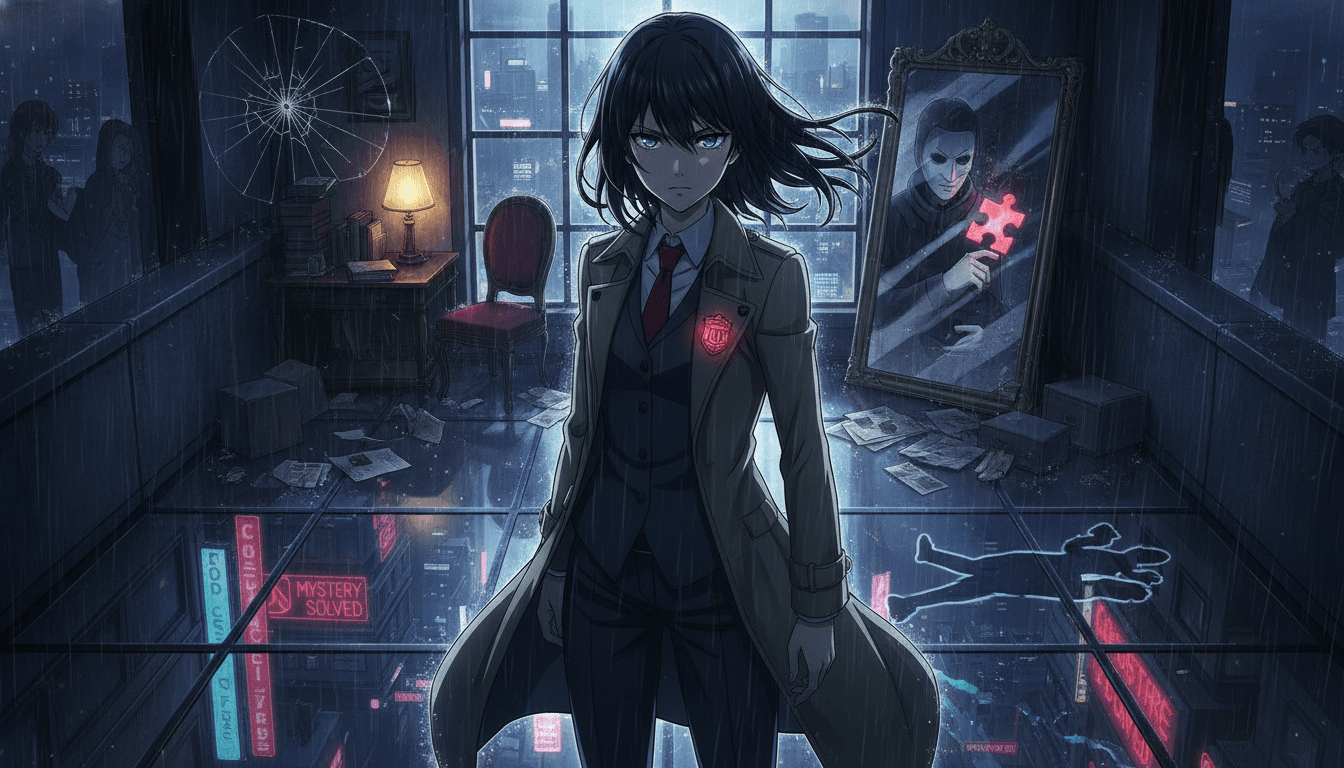
How a true crime script becomes an anime
Three stages, in this order. Planning the whole case first is why the finished episode holds together instead of reading as disconnected clips.
Hand over the write-up
Paste your narration or case write-up. The director reads it like coverage — finding the beats that carry tension: the setup, the discovery, the unanswered question.
It plans the retelling
You get a scene list and a dramatized screenplay before anything renders: who is on screen, what the narration says over each shot, and how the reveal is paced.
It renders the episode
Each scene is staged, voiced and rendered with the same anime cast, so the investigator in the first shot still looks right in the last.
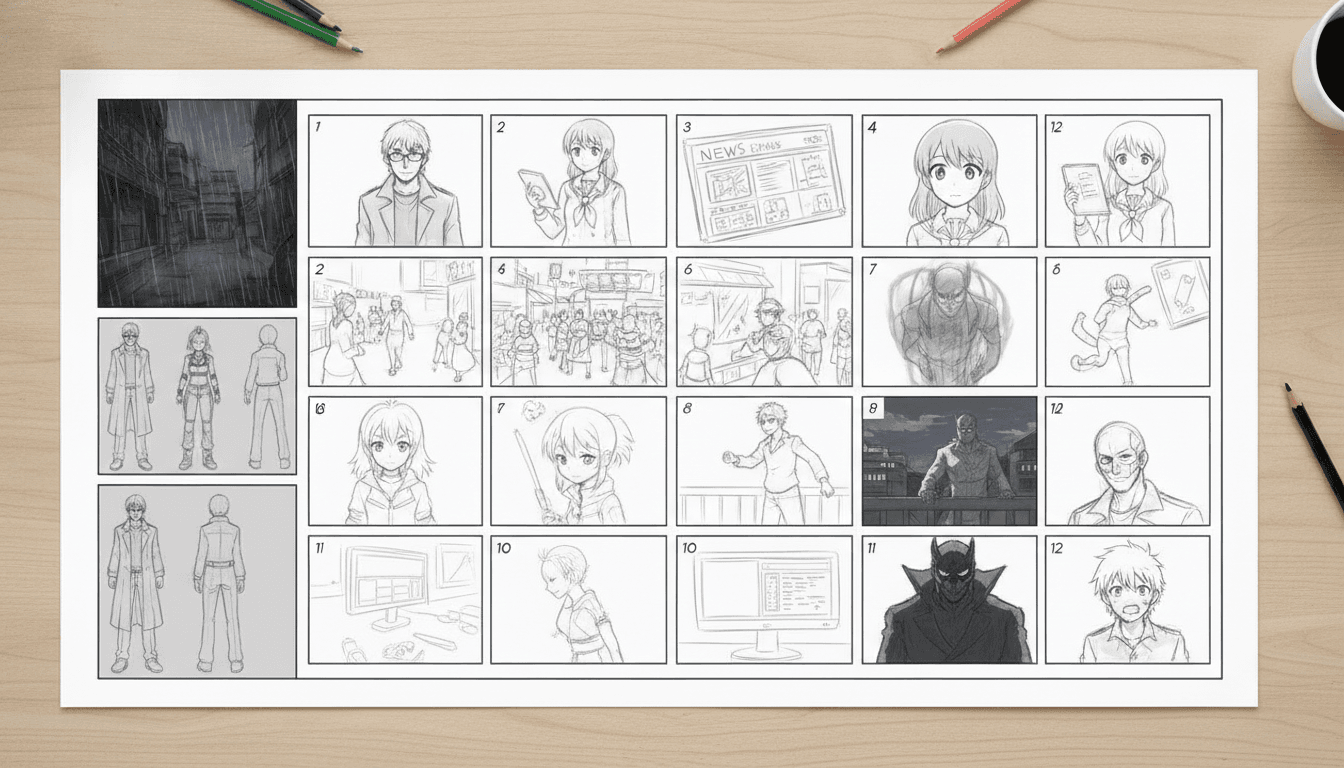
Why anime fits true crime so well
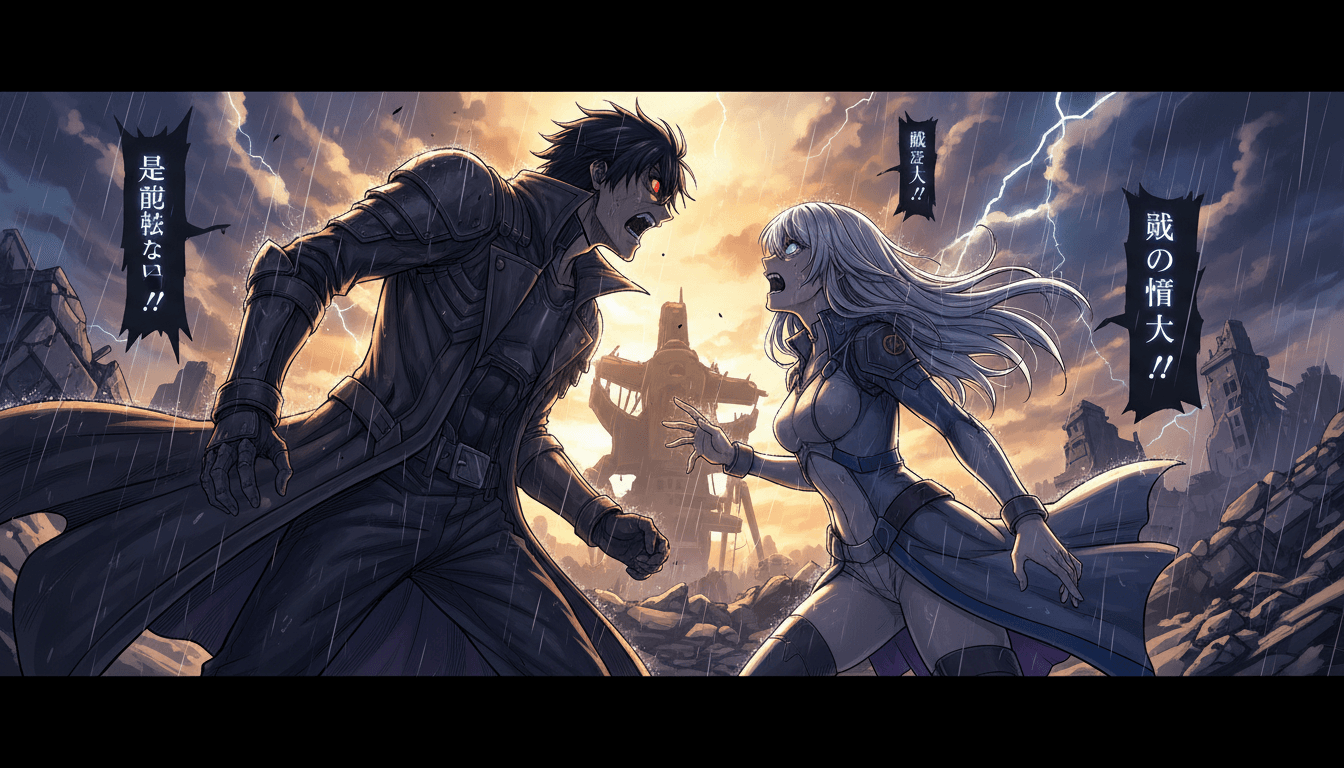
A true crime channel lives on atmosphere and pacing, not on showing a presenter's face. Anime gives you both without any footage: a rain-soaked street, a dim interview room, a single lamp over a desk of evidence — all staged exactly for the beat you are narrating.
It also sidesteps the thing that sinks most faceless retellings: stock footage that does not match the words. Instead of scrambling for a clip that vaguely fits, you describe the moment and it is drawn for you, shot to match the narration line by line.
And because the whole case is planned first, the episode can build. A detail dropped in the opening can pay off at the reveal, the way a good retelling is supposed to work.
Dramatized, not documentary — and that is the honest way to do it
C2Anime makes a dramatized, inspired-by retelling. It is not a documentary and it does not reconstruct real people. Treat it the way responsible true crime creators already do: change or omit names, avoid depicting identifiable real victims, and never point a finger at a named individual. The tool gives you anime characters and settings, which makes that anonymizing natural rather than an afterthought.
Keep the facts you narrate accurate and sourced, and let the visuals be an interpretation — a mood, a reconstruction of a scene, a stand-in investigator. That separation between a factual narration track and a clearly stylized retelling is what keeps the work fair and keeps your channel out of trouble.
For open cases and anything involving living people, stay general: a figure in a doorway, a silhouette, an evidence table — not a likeness. The point is the atmosphere and the question the case leaves you with, which anime renders better than any stock clip.
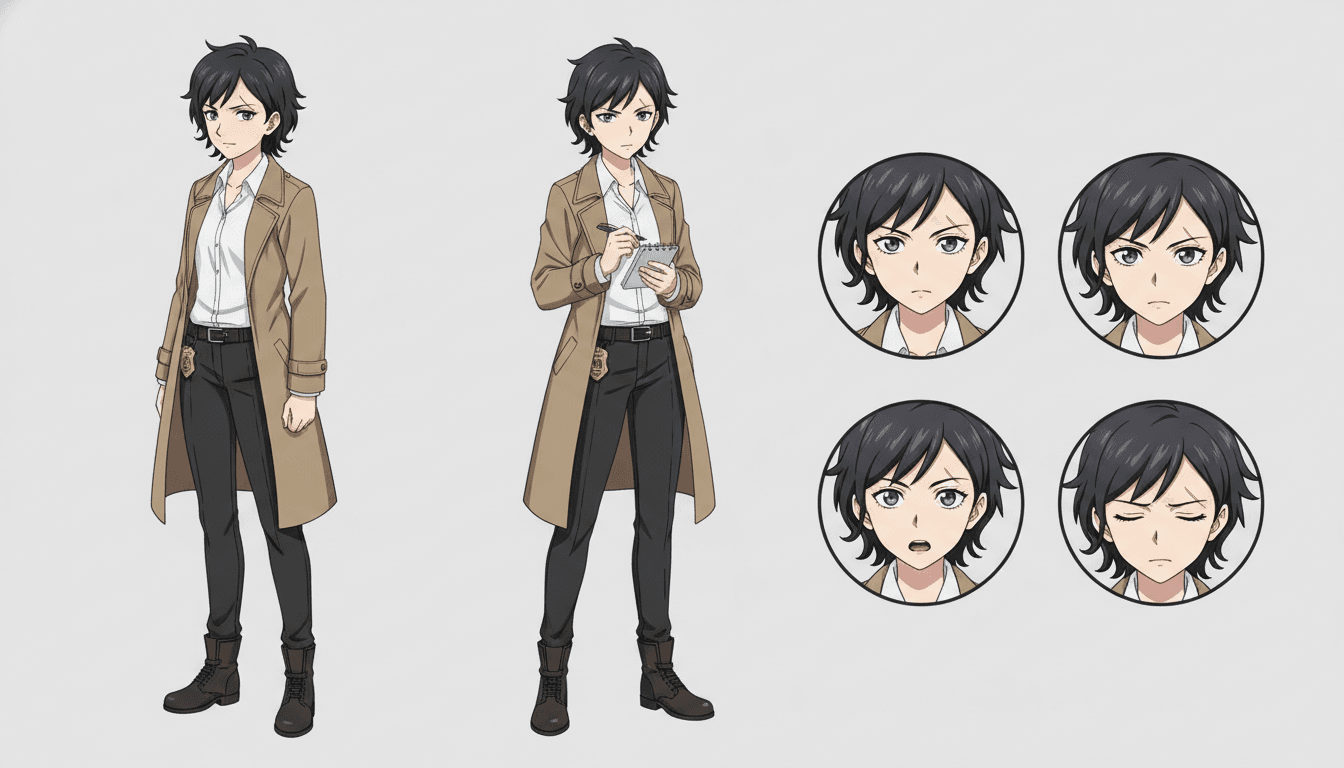
What you get for a true crime episode
One cast, every scene
Your investigator, the town, the recurring locations — designed once and reused across the episode and the next one, so your channel builds a recognisable look.
Narration-driven scenes
Shots are planned against your narration line by line, so the visual always matches the sentence instead of drifting off into unrelated footage.
Voiced dialogue when you want it
Add dramatized dialogue for a scene — an interview, a phone call — with character voices, not just narration over stills.
Vertical or wide
Render for a YouTube episode or a vertical short, so one case can become both a long retelling and a clip that teases it.
Who this is for
Faceless true crime channels. You already write tight, well-sourced narration. What you have never had is a way to show it without a camera or a pile of mismatched stock footage. This draws the case for you.
Storytime and mystery creators. Unsolved cases, strange disappearances, cold cases — the kind of story that lives on atmosphere and an unanswered question is exactly what a planned anime retelling is built for.
Writers moving into video. If you have the research and the script but no production skill, directing the retelling is the closest thing to having an animation crew for a one-person channel.
True crime to anime: common questions
- How do I turn a true crime story into an anime video?
- Paste your written case or narration into C2Anime. It plans a dramatized retelling — a scene list and screenplay — then renders each scene as anime with a consistent cast and voices. You review the plan before anything renders and can edit it.
- Is this a documentary or a dramatization?
- A dramatization. C2Anime produces an inspired-by anime retelling, not a documentary and not a reconstruction of real people. Keep your narrated facts accurate and sourced, and treat the visuals as a stylized interpretation.
- Can I make a faceless true crime channel with this?
- Yes. That is the main use. You supply the written story and the narration; the tool supplies the visuals and voices, so you never appear on camera — exactly the workflow a faceless true crime or mystery channel needs.
- How do I keep it responsible and avoid problems?
- Follow the same rules good true crime creators already use: change or omit names, do not depict identifiable real victims, never accuse a named person, and stay general on open cases involving living people. The anime styling makes anonymizing natural.
- Will the characters look the same across the episode?
- Yes. C2Anime designs the cast and locations once and reuses those references for every scene, so your investigator and settings stay on model from the first shot to the last — and across future episodes.
- How long can an episode be?
- Long enough for a full retelling with a beginning, a build and a reveal, assembled from multiple scenes rather than one clip. The stable sweet spot per piece is around 30 seconds to a few minutes; longer runtimes are built by composing more scenes.
- Do I need animation experience?
- No. You bring the researched story and the narration. C2Anime handles staging, casting, pacing and rendering. What you need is a case worth telling and a point of view on how it should feel.
Bring the case. Leave with an episode.
Write the story. C2Anime directs the anime retelling.
Start your animeMaking true crime anime videos with C2Anime
Turning a true crime story into an anime video is a different job from generating a single clip. A retelling has to carry a viewer from setup to reveal, keep the same investigator and settings in frame scene after scene, and keep the visuals locked to a narration track. C2Anime is built for that: it reads your write-up, plans a dramatized screenplay, designs a cast it reuses throughout, and renders voiced anime scenes against the plan — which is why the finished episode reads as one story rather than a stack of unrelated shots.
The format fits the genre. True crime and mystery channels win on atmosphere, pacing and an unanswered question — none of which need a presenter's face or a library of stock footage. Describe the rain-soaked street, the evidence table, the empty interview room, and it is drawn to match the exact line you are narrating. For a faceless channel, that is the whole production problem solved in one place.
Do it responsibly and it stays sustainable. C2Anime makes an inspired-by dramatization, not a documentary: keep the narrated facts accurate and sourced, change or omit names, avoid depicting identifiable real victims, never accuse a named individual, and stay general on open cases involving living people. Anime styling makes that anonymizing feel natural instead of like a compromise, and it is what keeps a true crime channel fair to the people behind the story.
Bring a researched case and a tight script. C2Anime stages the scenes, holds the cast and voices, and renders a true crime anime retelling you can post as a full episode or cut down into a vertical short. C2Anime is in invite-gated Early Access with paid credit tiers — start at /create or see /pricing.