Voiced anime dialogue, not narration over stills
Most AI video comes out silent, or with a single narrator reading over a slideshow. C2Anime writes an actual screenplay first, then gives every character voiced anime dialogue — lines they speak to each other, in their own voice, that stays consistent from the first scene to the last.
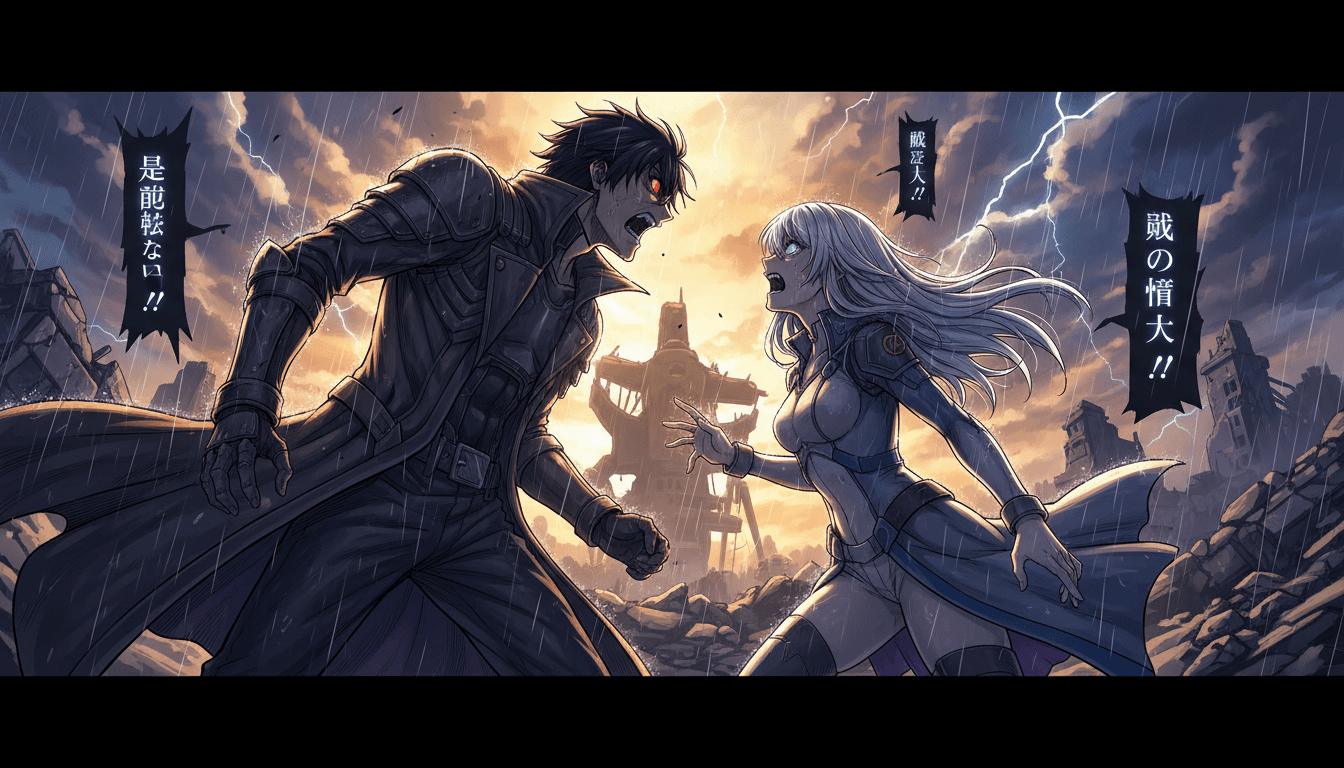
How voiced anime dialogue gets made
The voices come after the writing, not instead of it. That order is what keeps a conversation sounding like a conversation.
Write or paste the scene
Give C2Anime a script, a chapter, or just a premise. The screenplay step turns it into scene headings, action lines and actual dialogue — not a caption to read over a still image.
Each character is cast a voice
Once the cast is designed, every character is assigned a voice and keeps it. The quiet one stays quiet. The character who shouts in act one still sounds like themselves in act three.
The scene renders with the lines spoken
Dialogue drives the render: mouths move on the lines, timing follows the exchange, and the scene plays the way a conversation actually plays out.
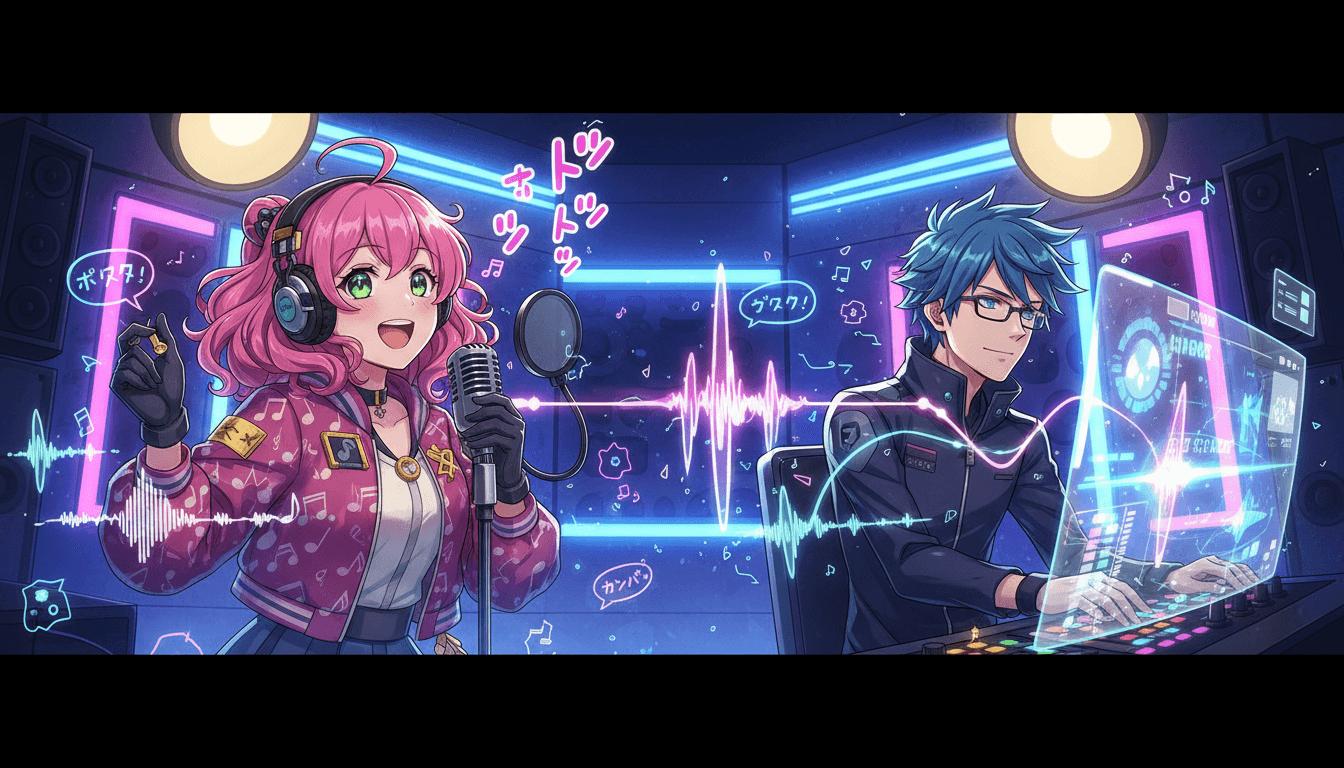
Why anime voice generation beats narration
Narration is cheap to fake: one voice, reading over whatever is on screen. It also flattens everything into the same register, because a narrator doesn't get angry, doesn't hesitate, and doesn't interrupt. It tells you what happened instead of letting it happen.
Anime voice generation built around a cast changes that. When a character has their own voice, a scene can hold an argument, a confession, or a joke that lands because of how it's delivered — not just what the words say.
That is the difference C2Anime is built around: a screenplay with real turns of dialogue, rendered with ai anime voices that belong to specific characters, not a single voice reading captions.
Anime characters that speak — and keep their voice
A voice is part of a character's identity the same way their design is. If it changes between scenes, the audience notices even faster than they notice a face drifting.
C2Anime assigns a voice to each character once, alongside their visual design, and keeps that assignment for the whole production. The character who is nervous in scene two is the same voice that's furious in scene nine.
That consistency is what makes a cast feel like a cast, and what makes a longer piece — an episode, or a series — possible at all.
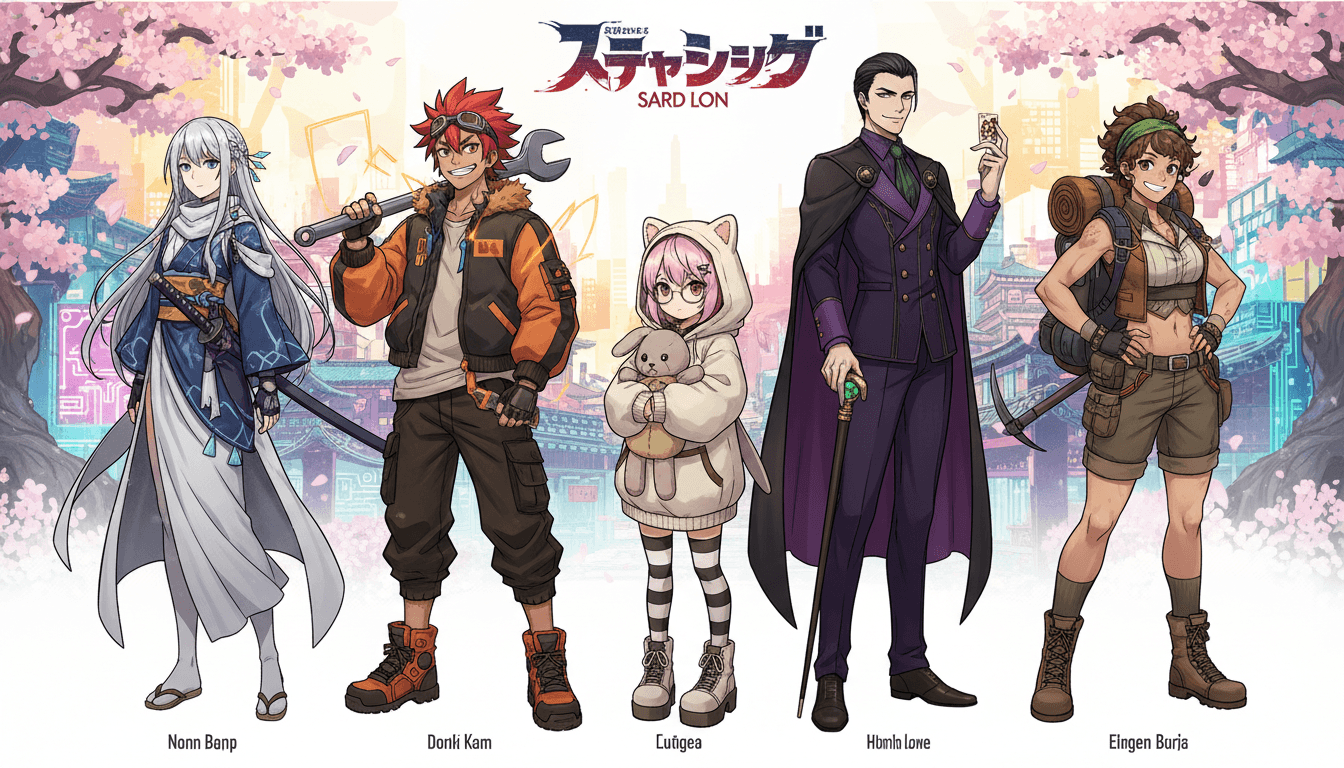
What comes with voiced anime dialogue
A voice per character, not per clip
Voices are assigned to the cast, so the same character sounds the same in scene one and scene twelve. Nothing gets re-cast between renders.
Dialogue written into the screenplay
Lines come from a real screenplay pass, with scene context, so a character responds to what was just said instead of delivering a floating quote.
Built for conversation, not narration
This is not a narrator reading over stills. Two characters can argue, interrupt, and react to each other in the same voiced scene.
Voiced scenes, not silent clips
A video where nobody speaks reads like a slideshow. Voiced anime dialogue is what makes a scene feel like it is actually happening.
Who this is for
Creators who want characters that actually speak. If your story lives or dies on a conversation — a confrontation, a confession, a joke with a specific delivery — you need dialogue, not narration over an image.
Writers adapting dialogue-heavy scripts. A screenplay with real exchanges deserves to be heard that way, not summarized by a single reading voice.
Anyone tired of silent AI clips. A scene where nobody speaks rarely feels finished. Voiced dialogue is often the single thing that makes a render feel like a real moment instead of a test render.
Voiced anime dialogue: common questions
- What is voiced anime dialogue in C2Anime?
- It is spoken dialogue delivered by your characters inside a rendered anime scene — not narration laid over a still image and not on-screen text. Each character in the screenplay gets an assigned voice, and that voice reads their actual lines.
- Do I need to record my own voice acting?
- No. You provide the story or the screenplay; C2Anime assigns and generates the voices for each character based on the scene. You are directing the performance, not performing it yourself.
- Will the same character sound the same in every scene?
- Yes. A character keeps the voice assigned to them for the whole production, the same way their design stays consistent. That continuity is what separates a scene from a one-off clip.
- Can two characters have a real back-and-forth conversation?
- Yes. Because dialogue comes from a screenplay pass rather than a single prompt, an exchange between two or more characters can be written and rendered as an actual conversation with turns and reactions.
- Does voiced dialogue work with any story I give it?
- It works from whatever you provide — an idea, a script, or a chapter. The screenplay step is what turns that material into scenes with lines a character can actually speak.
- Is this different from text-to-speech over a video?
- Yes. Text-to-speech reads whatever text you paste in, disconnected from the scene. Voiced anime dialogue here comes out of the screenplay for that specific scene, tied to a specific character's voice.
- What if I want to edit a line after it is rendered?
- You can revise the screenplay and re-render the affected scene rather than starting the whole video over, so a line reads the way you intended before you commit to the full cast recording it.
Give your cast something to say.
Bring a script or a scene. C2Anime writes the dialogue into the screenplay and gives every character a voice.
Start your animeAnime voice generation built for actual conversations
Voiced anime dialogue is what separates a finished scene from a rendered clip. C2Anime writes a real screenplay before anything renders — scene headings, action, and lines a character speaks to another character — and then generates ai anime voices for that specific cast. The result is a scene where people talk, react, and interrupt each other, instead of a single narrator reading over whatever is on screen.
The reason this matters is continuity. Anime characters that speak need to sound like themselves every time they appear, the same way they need to look like themselves. C2Anime assigns a voice to each character alongside their visual design and keeps that voice fixed for the whole production, so a character introduced in scene one still sounds like them in scene twenty.
This is also what makes longer, dialogue-driven work possible. A single silent clip can get away with no voice at all. A scene with two characters working through a real conversation cannot — the performance is the point, and performance means voiced anime dialogue, delivered on lines that were actually written for that moment.
C2Anime builds voiced dialogue into every production from a script, a chapter, or a premise you provide. Bring the scene — the cast will say the lines.