An AI anime trailer generator for a story nobody has seen yet
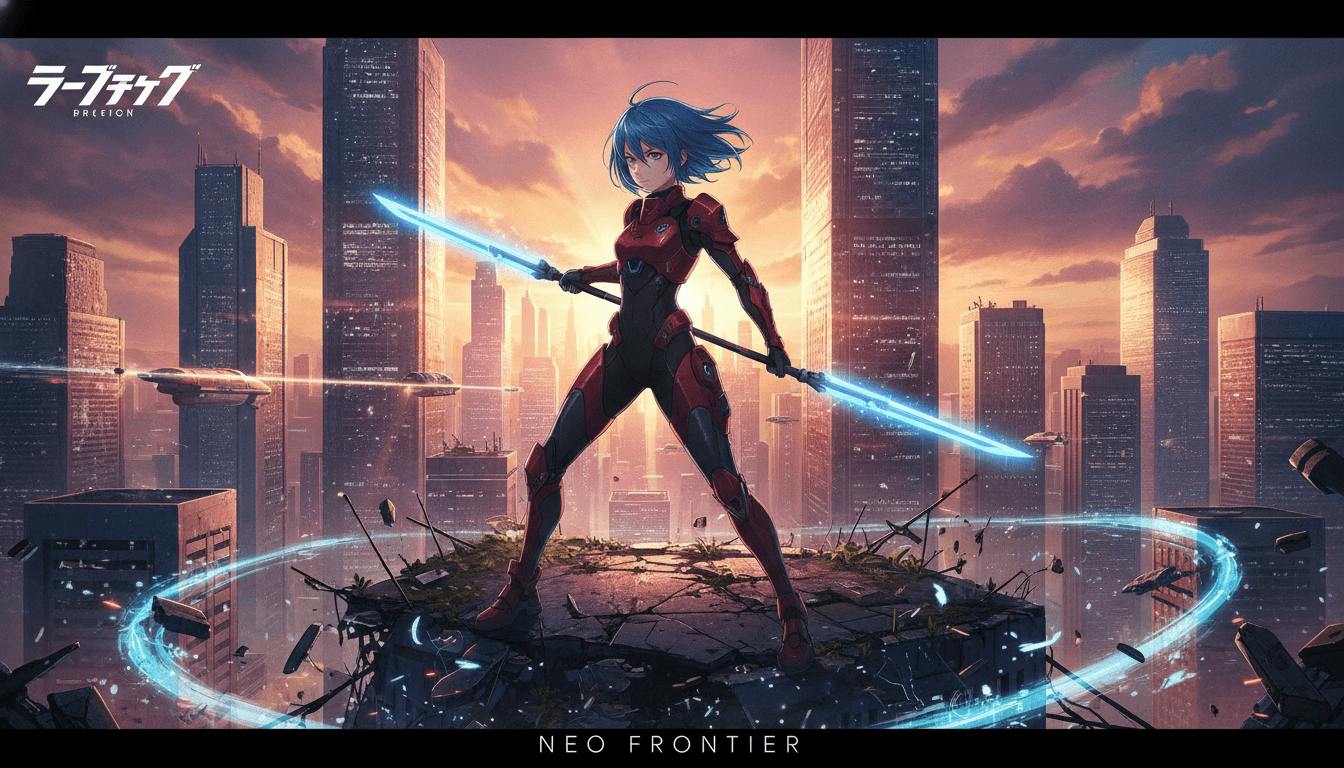
You do not need a finished anime to cut its trailer. Hand C2Anime the story and this AI anime trailer generator picks the beats a trailer actually needs — cold open, hook, escalation, hard cut, title card — designs the cast once, voices the lines, and paces the whole thing like a real anime PV.
How the AI anime trailer generator works
Three stages. The planning happens before anything renders, which is why the cut holds together instead of playing as a reel of clips.
Give it the story
A premise, a synopsis, a chapter or a finished manuscript. A trailer needs to know the ending even though it will not show it, so more source material makes a sharper cut.
It picks the beats
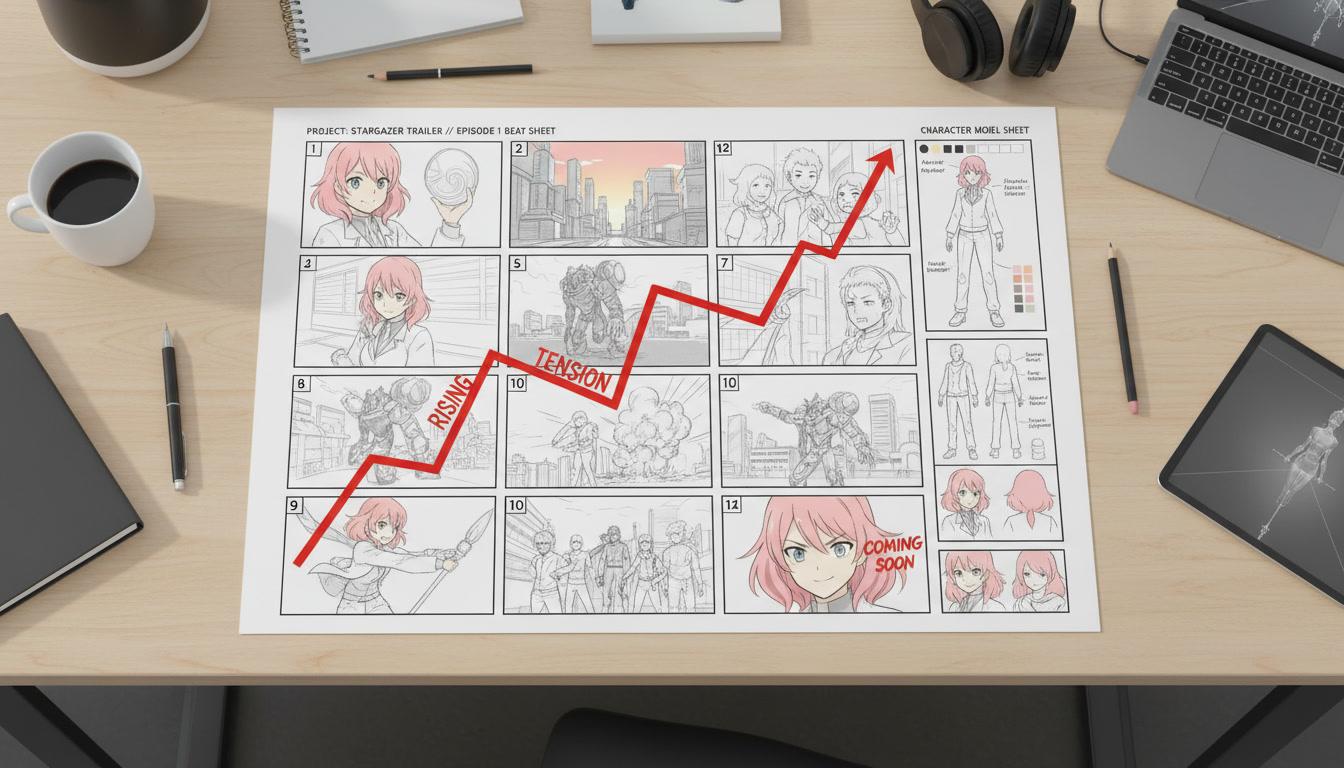
The director picks the moments a trailer actually needs — the hook, the turn, the threat, the line you remember — and orders them for tension rather than chronology.
It cuts the trailer
Scenes are staged, voiced and rendered with the cast designed up front, then paced toward a title card the way a real anime PV is paced.
The shape of a trailer, beat by beat
A trailer is not a shortened episode. It is its own form, with a structure viewers already know without being able to name it. This is the shape C2Anime builds toward:
- 1
Cold open
One image and one line that tell the viewer what world they are in. No exposition, no narrator explaining the premise.
- 2
The hook
The question the story is about, stated as a moment rather than a summary. This is the beat that decides whether anyone watches the rest.
- 3
Escalation
Three or four accelerating cuts. The stakes get worse, the music tightens, dialogue drops to fragments.
- 4
The hard cut
Silence where the viewer expects a payoff. The oldest trick in trailer editing and still the most effective.
- 5
Title card
The name of your story, held long enough to read, with whatever line you want people to leave holding.
Why a trailer punishes character drift hardest
In an episode, a character might go a full minute between appearances. In a trailer they appear, vanish, and come back two seconds later in a tighter frame. The viewer is comparing the two shots directly, whether they mean to or not.
That is where clip-by-clip generation gives itself away. The hair length changes. The uniform gains a stripe. The antagonist you were building up reads as a different person by the time the title card lands, and the tension you spent four shots building evaporates.
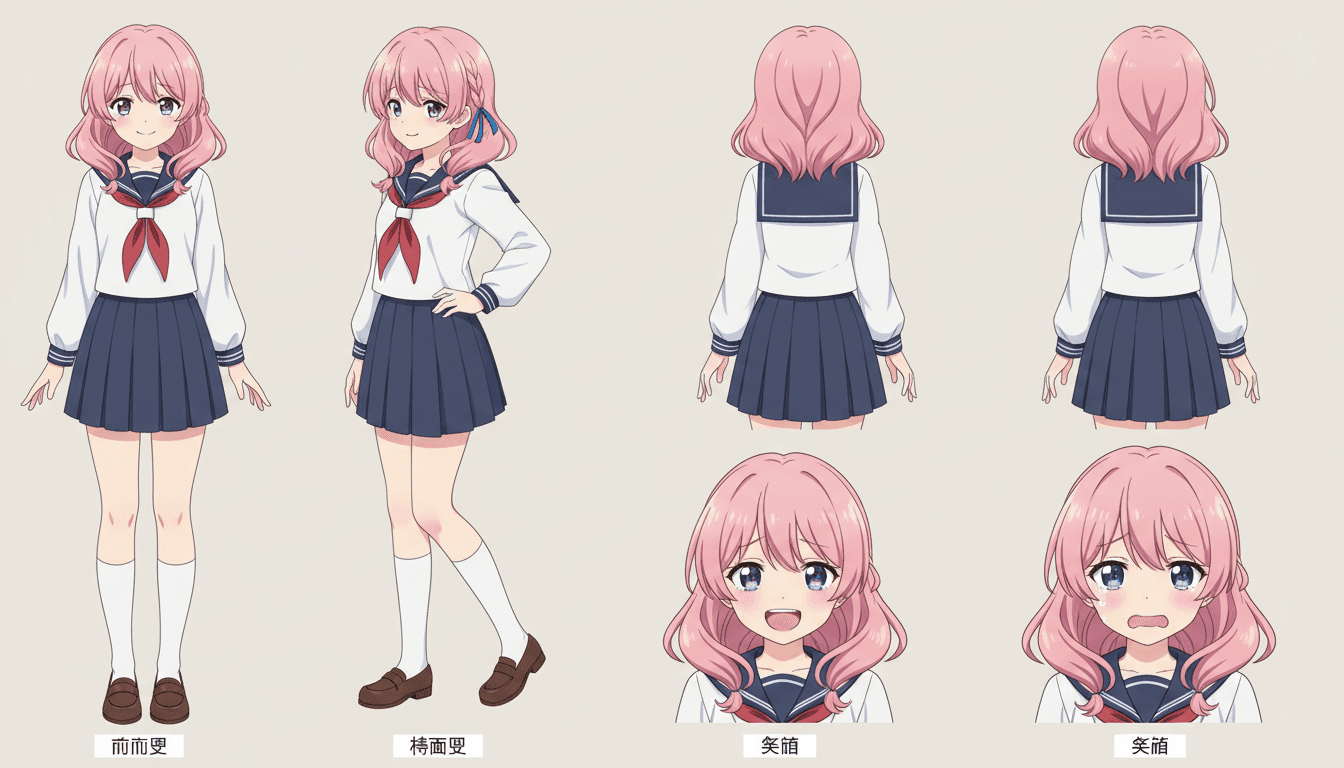
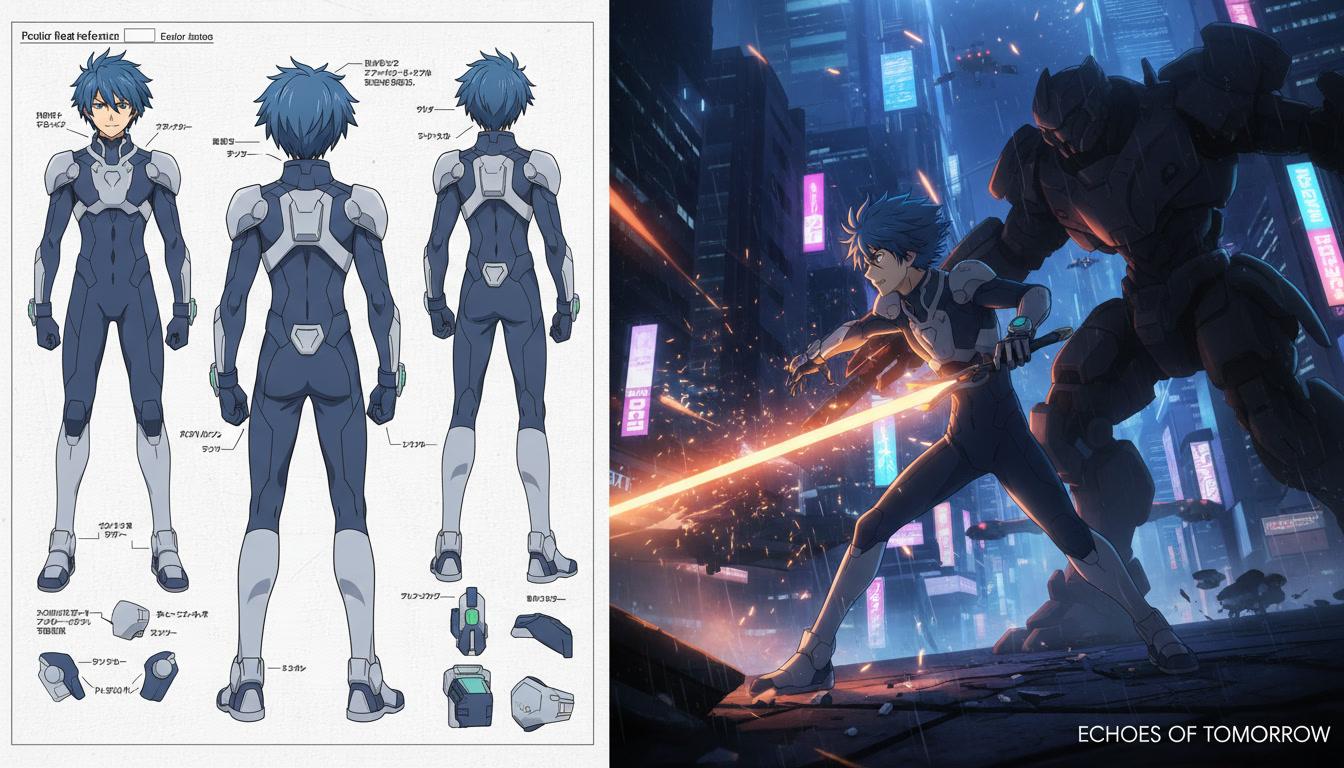
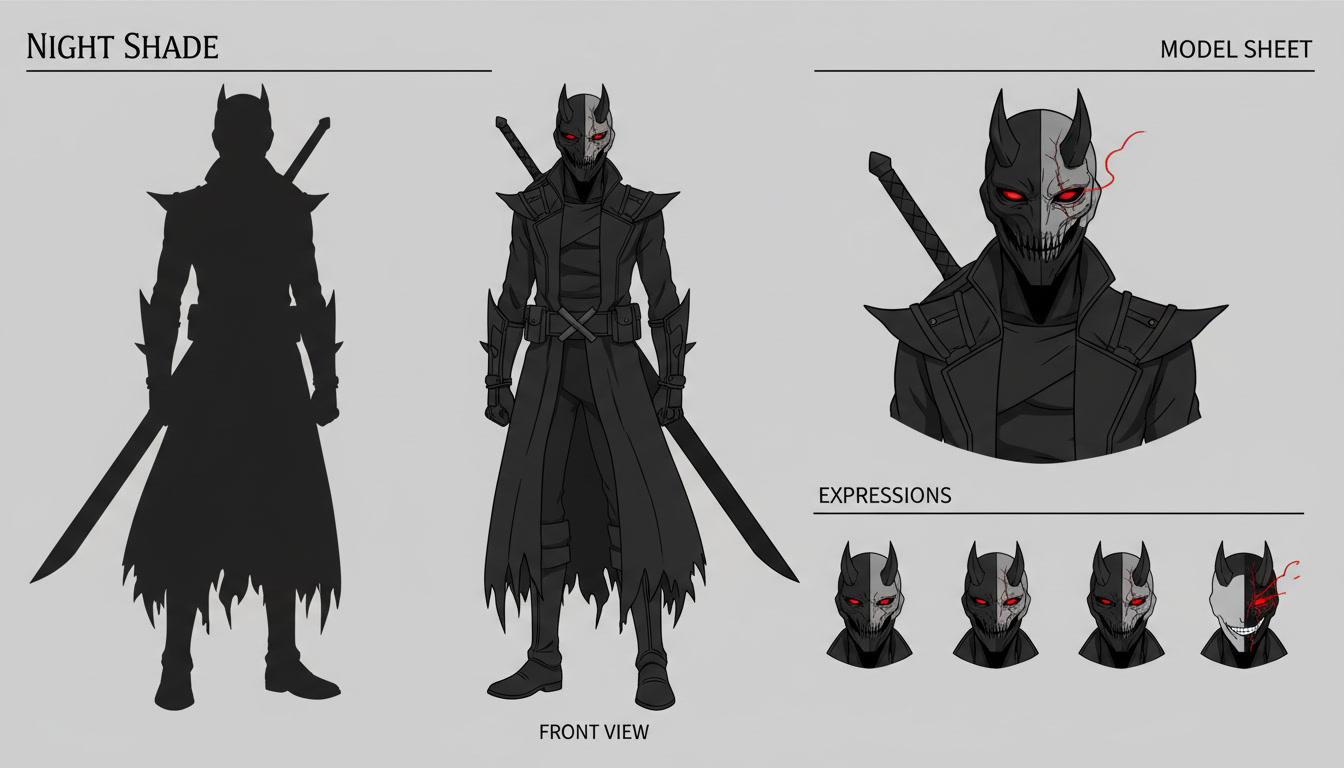
C2Anime designs each character once, before rendering, and treats that design as a fixed reference for every shot in the cut. The masked figure in the cold open is recognisably the same figure when the trailer reveals them.
What the AI anime trailer generator handles
One cast across the cut
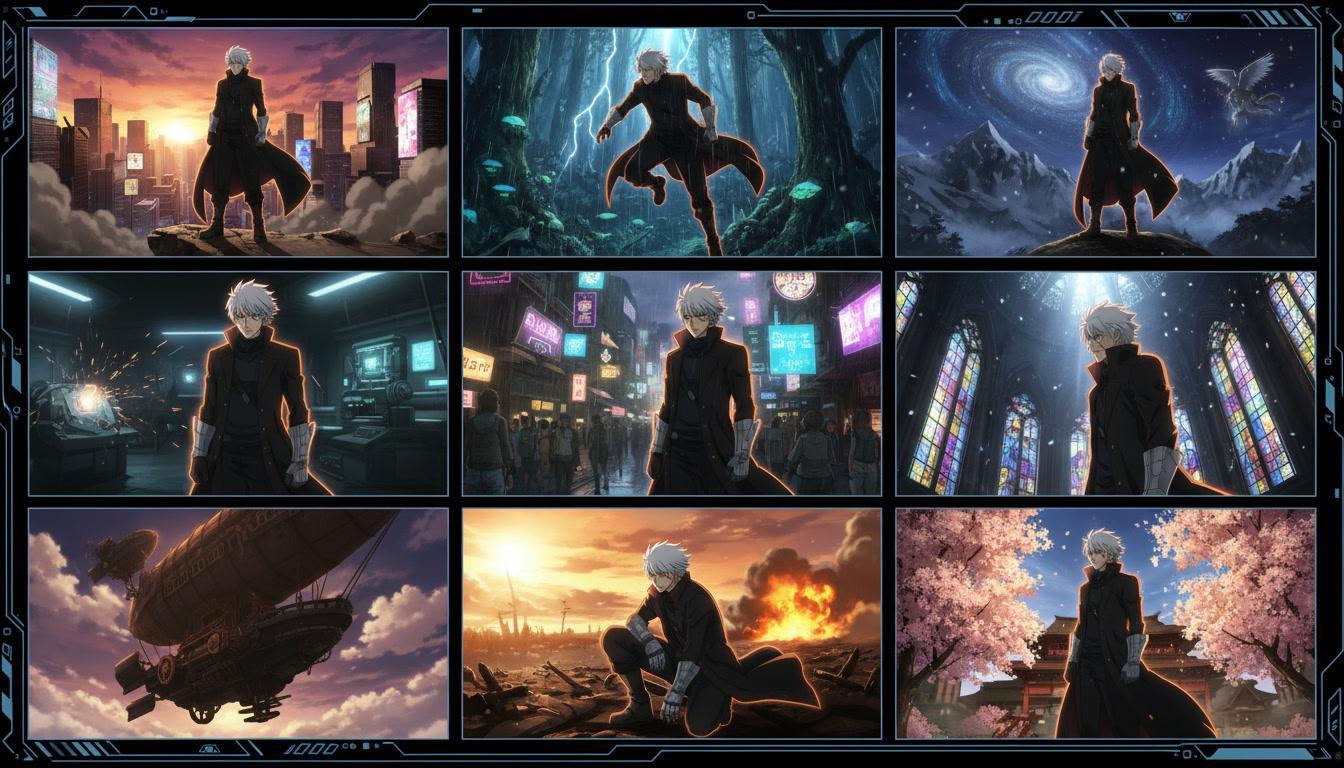
A trailer intercuts a character with themselves seconds apart. If the face drifts, the whole thing falls apart. Characters are designed once and reused in every shot.
Paced like a PV
Shot lengths tighten as the trailer escalates instead of every clip running the same four seconds. The rhythm is the reason a trailer feels like a trailer.
Real dialogue, not narration
Your characters speak their own lines and keep their voices. A single delivered line does more for a trailer than a paragraph of voiceover.
Title card and text beats
The generator treats the title card as a shot to be designed, not an afterthought pasted on the end of the render.
Who cuts a trailer before the thing exists
Authors pitching a book. A synopsis asks an agent, an editor or a reader to imagine your story. A trailer shows it to them. If your manuscript is finished and the problem is getting anyone to open it, a ninety-second anime cut of the premise is a different kind of ask.
Indie game developers. Tone is the hardest thing to communicate on a store page or a crowdfunding pitch, and it is the thing that decides whether people follow. A trailer built from your own narrative design conveys the feel of the game long before the art pipeline is finished.
Writers testing a premise. Trailers are honest. Cutting one forces you to name your hook, and if the escalation feels thin on screen it was probably thin on the page too. Some people use this as a structural edit that happens to produce a shareable video.
Creators building an audience. A trailer is the format people are most willing to watch from a stranger. It is a reasonable front door to an episode, a serial or a world you plan to keep working in.
AI anime trailer generator: common questions
- What is an AI anime trailer generator?
- An AI anime trailer generator takes a story you have written and cuts a short promotional video for it in anime form. Rather than rendering one clip per prompt, it chooses which moments belong in a trailer, designs the characters, writes and voices the lines, and paces the shots toward a title card.
- Can I make a trailer for a story that does not exist as a video yet?
- That is the main use. The anime does not need to have been made — the trailer is generated directly from your writing. Authors use this to pitch an unpublished book, and game developers use it to show the tone of something still in production.
- How long is a generated anime trailer?
- Trailer length, not episode length. Long enough to open, escalate and land a title card. You can plan a tighter teaser or a fuller PV depending on how many beats the story needs.
- Will the same character look the same in every shot?
- Yes, and it matters more in a trailer than anywhere else, because a trailer cuts back to the same face repeatedly within seconds. C2Anime designs each character once and treats that design as a fixed reference across the whole cut.
- Can I choose which moments the trailer uses?
- The AI anime trailer generator proposes a beat sheet before anything renders. You can reorder beats, cut them, or swap in a scene it passed over, then re-render only what changed.
- Does it spoil my story?
- You control that. Tell it how far into the plot it is allowed to reach and it will build tension from earlier material instead of showing the turn. Trailers work better that way anyway.
- Can the trailer match a specific anime look?
- Yes. You can direct the visual language — modern TV anime, a darker seinen palette, something softer and more pastel — and the trailer holds that look across every shot.
Your story deserves a trailer
Bring the manuscript. Leave with the cut that makes people ask what happens next.
Start your trailerCutting an anime PV with an AI anime trailer generator
An AI anime trailer generator solves a specific problem for storytellers: the story is finished, but nothing about it moves yet. Traditionally a trailer comes last, assembled out of footage from a production that already wrapped. C2Anime inverts that. It reads your writing, decides which moments carry a promise rather than a plot summary, designs the cast, writes and voices the lines, and renders the trailer as anime — before the episode it is advertising has been made at all.
The reason this works is that C2Anime plans before it renders. An AI anime trailer generator that simply queued up one prompt per shot would produce a montage: nice individual frames, no rising tension, a different protagonist in each cut. Here, the structure comes first. The director lays out a beat sheet you can read and reorder, locks the character designs so the same face survives the whole cut, and only then stages and renders the shots against that plan.
Character consistency is the thing that decides whether a trailer lands, because trailers live on repetition. The same protagonist appears four or five times in ninety seconds, often in shots seconds apart, and the viewer reads those shots as one person or gives up on the story. Designing the cast once and reusing those references across every shot is what keeps the escalation legible right through to the title card.
Give it a premise, a synopsis, a chapter or a full manuscript. You can set how far into the plot it is allowed to reach, direct the visual language toward the anime look you have in mind, and re-render single beats without rebuilding the cut. Authors pitching a book, indie developers showing tone, and writers stress-testing a hook all use the same path — plan the beats, hold the cast, land the title card.