Book to animated video, with one cast the whole way through
C2Anime takes a book to animated video the way a studio would: read the text, plan the structure, design the cast, write the screenplay, then shoot it. Your chapters become voiced anime scenes that connect — not a reel of unrelated clips that happen to share a subject.
How the book to animated video process works
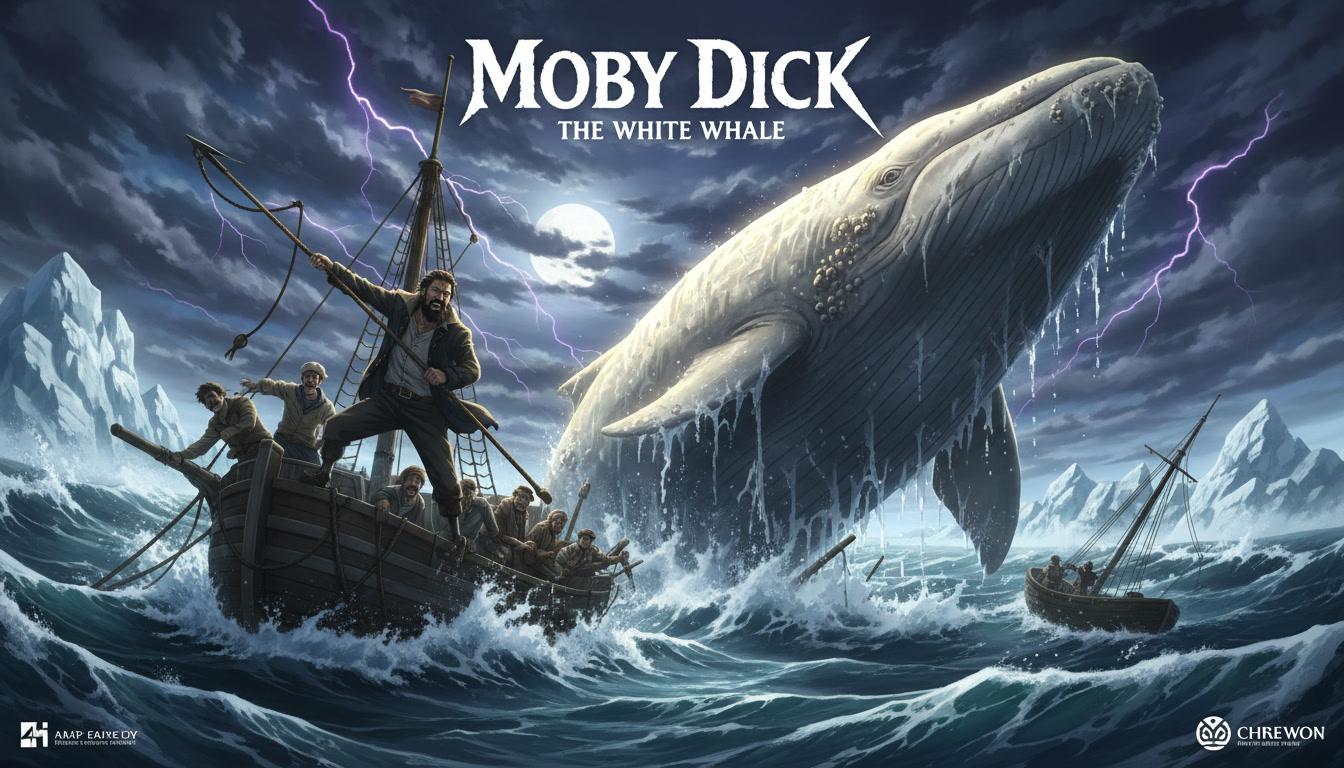
Three stages, always in this order. The order is what keeps a long adaptation coherent.
Give it the book
Paste a chapter, a synopsis or the whole manuscript. A public-domain classic works just as well as something you wrote last month.
Approve the adaptation plan
The AI Film Director maps chapters to scenes, decides what to cut, and writes a screenplay with real dialogue. You read the plan before anything renders.
Watch it become an anime
Each scene is staged, cast, voiced and rendered against that plan, so chapter twelve still looks like the same story as chapter one.
From chapters to a runtime
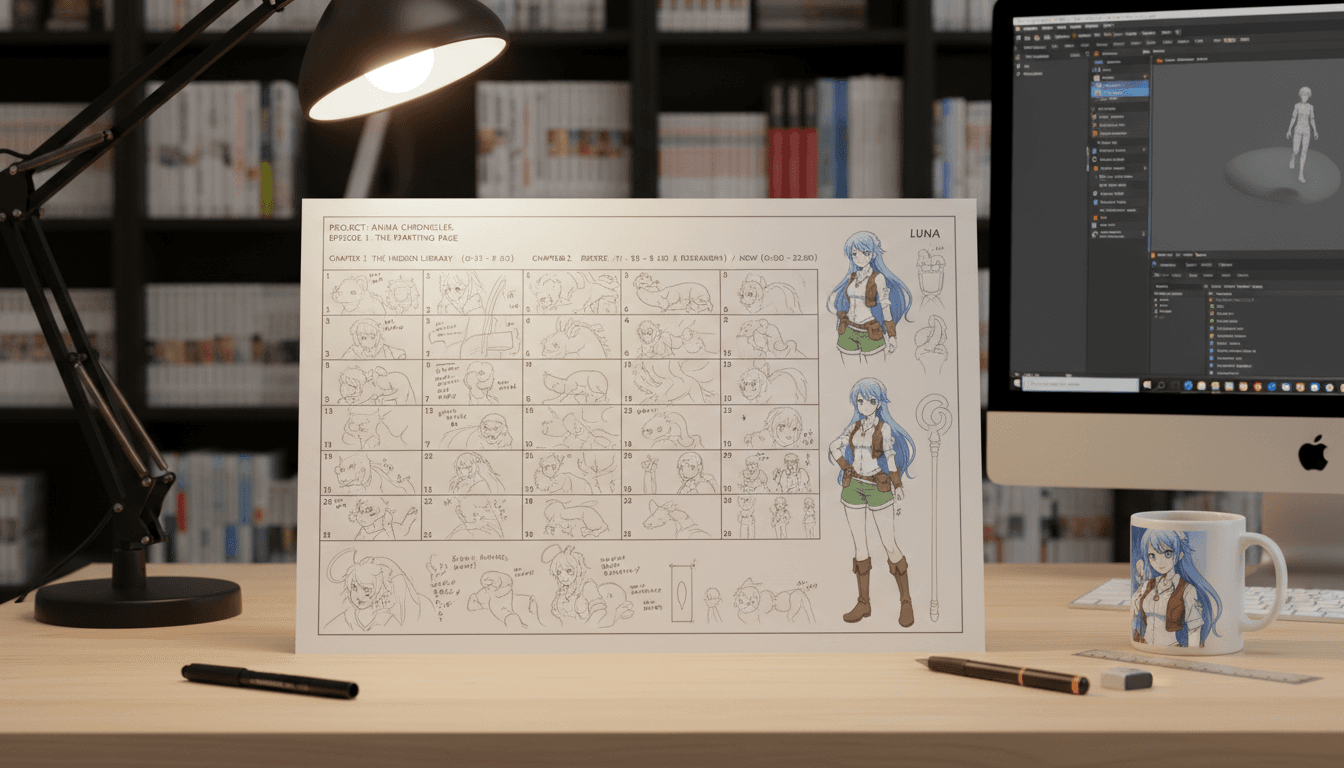
A book and a video measure themselves differently. Chapters are units of reading; scenes are units of watching. The first real decision in any adaptation is which chapters become scenes, which get compressed into a single beat, and which exist only to set something up and can be carried by one line of dialogue instead.
C2Anime makes those calls explicitly and shows you the result. You get a scene list with the source it came from, so you can see that chapter four turned into two scenes and chapter five turned into none — and change that before a single frame is rendered.
This is the part that shot-by-shot prompting skips entirely. Ask a video model to animate a chapter and it will render something plausible for that paragraph with no idea what the chapter is for. Adaptation is a structural problem before it is a visual one.
Readers already know what your characters look like
This is what makes adapting a book harder than generating a one-off clip. A reader has spent hours with your protagonist. They have a fixed idea of the face. If that face shifts between scene two and scene nine, the adaptation stops being believable immediately — even if every individual shot looks good.
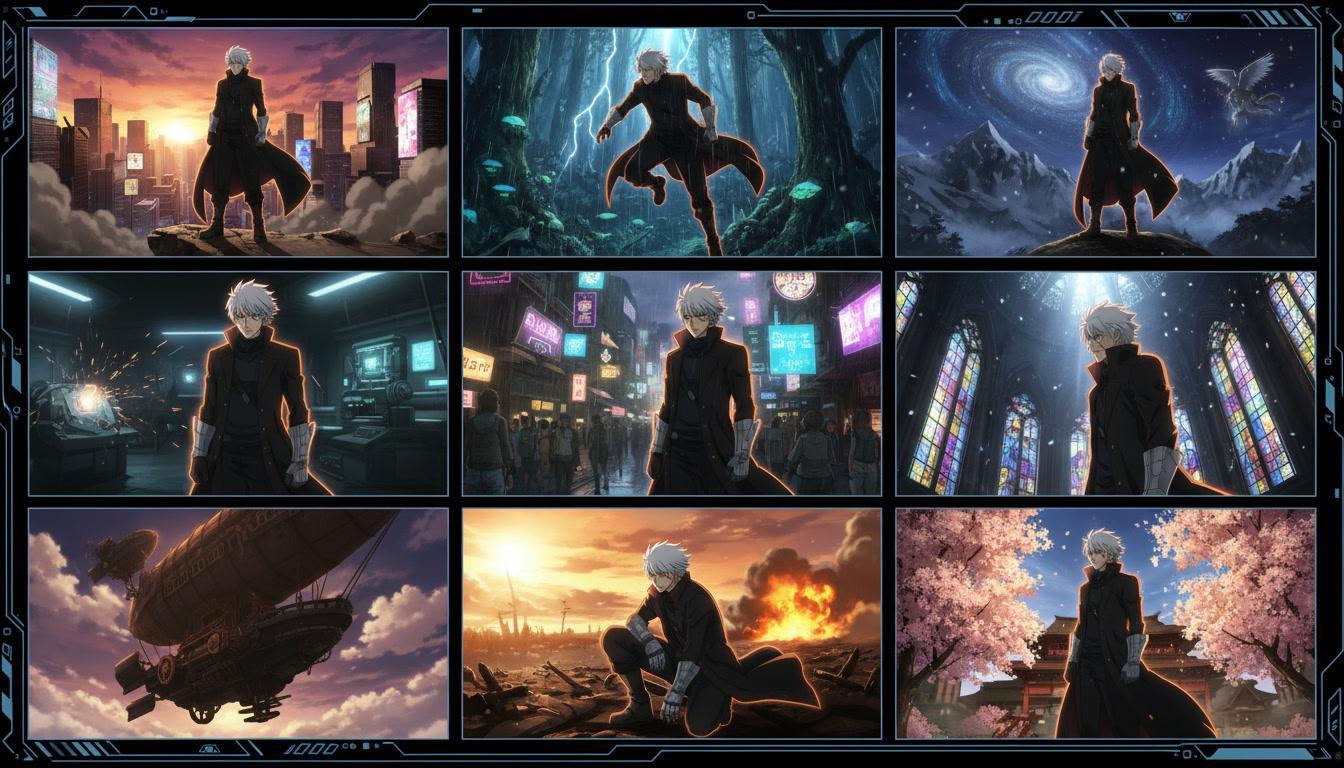
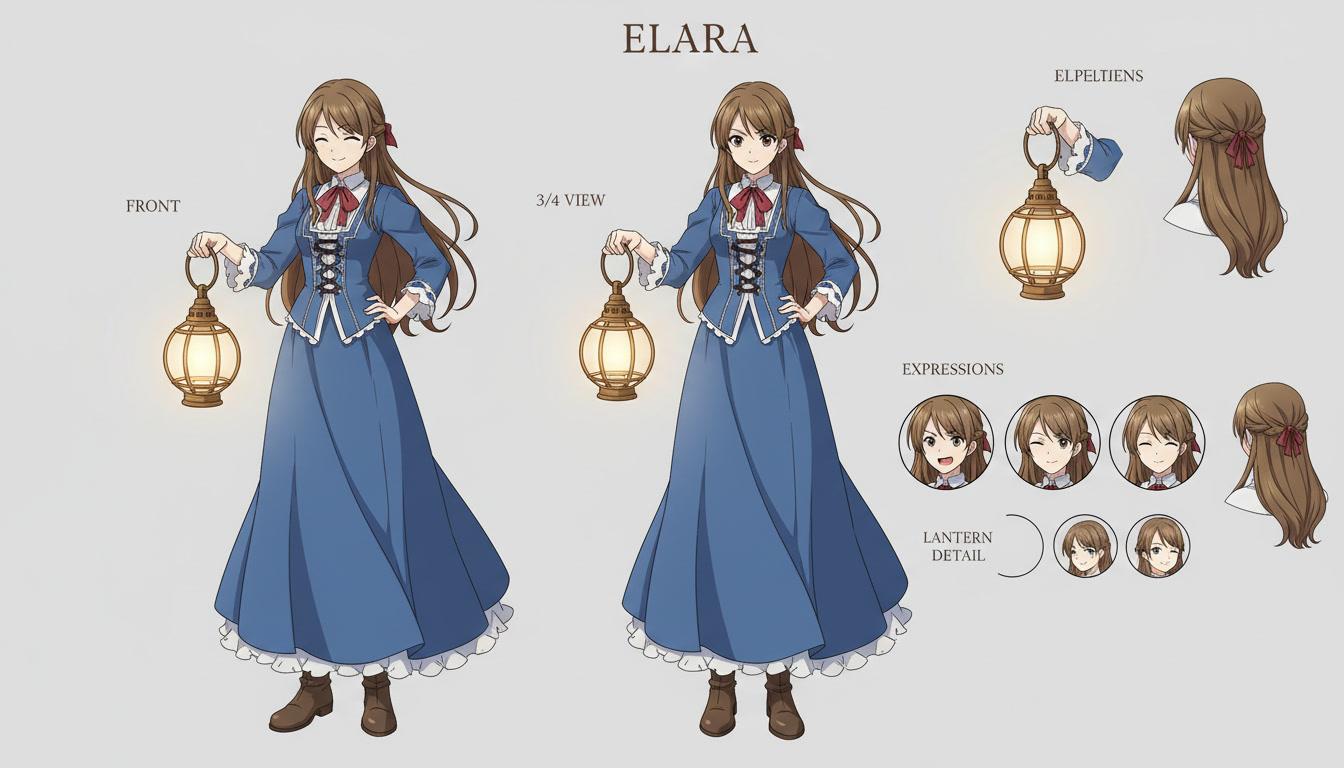
C2Anime designs each character once, up front, from your description, and treats that design as a locked reference for the rest of the production. When the character appears in a later scene, the system is reusing them rather than guessing at them again.
It is also what makes a multi-episode adaptation viable. The cast you approve in episode one is the cast that shows up in episode six.
What the book to animated video tool handles
A cast that stays on model
Your protagonist is designed once and reused in every scene they appear in. The same face, hair and costume carry across the whole runtime.
Adaptation, not summary
The director writes scene headings, action and dialogue from your prose. Characters speak your lines instead of being narrated over.
Voices that persist
Each character gets a voice and keeps it, which is what lets a viewer follow a long adaptation without a caption telling them who is talking.
Built for chapters, not clips
A book has a shape. Because the full structure is planned first, a setup in an early scene can still pay off much later in the video.
Adapting a public-domain classic
If you do not have a manuscript of your own to hand, the public domain is the obvious place to start. The rights question is settled, the stories are already structured, and the dialogue is often genuinely good — which means the screenplay stage has real material to work from rather than having to invent it.
A ghost story, a gothic chapter, a detective's first interview with a client: these adapt well because each one is a scene already. Pick a self-contained sequence rather than an entire volume for your first attempt, approve the plan, and see how the cast reads on screen before committing to a longer adaptation.
The same workflow scales. Once the cast designs exist and you like them, the next chapter is a new plan against a cast you have already approved.
Who adapts books this way
Authors. You finished the hard part years ago and have never seen it move. A book to animated video adaptation follows your beats and your dialogue instead of rewriting them, and a short cut of a key scene doubles as launch material.
Educators. A set text is easier to teach when students can watch the confrontation at the centre of it. Adapting one chapter faithfully, with characters who look the same each time they appear, beats asking a class to imagine it.
Publishers and imprints. Animated scenes give a backlist something to do. One approved cast can carry a whole series of clips across a campaign without a studio budget or a six-month schedule.
Book to animated video: common questions
- How do I turn a book into an animated video?
- Paste the text into C2Anime, review the adaptation plan the AI Film Director produces, adjust the screenplay if you want to, then render. The book to animated video process is planning-first: structure and cast are settled before any frame is generated, which is why the finished scenes hold together.
- Can I animate a whole book, or just part of it?
- Both, but they are different jobs. A single chapter or a key sequence makes a strong standalone short. A full-length book is normally adapted as a series of episodes, with the same cast carried across all of them.
- Do I need the rights to the book?
- Yes — adapt your own writing, work you have permission to adapt, or a book in the public domain. Public-domain classics are a popular starting point precisely because the rights question is already settled.
- Will the characters look consistent across the adaptation?
- That is the part C2Anime is built around. Characters are designed up front and those designs are reused as fixed references for every later scene, so your cast does not drift between chapters.
- What happens to the parts of the book that are pure prose?
- Interior monologue, description and exposition get converted into something screen-legible: staging, a visual beat, or dialogue between characters. The plan shows you those decisions before rendering so you can push back on them.
- Is this a book trailer or a full adaptation?
- It can be either. A short book to animated video cut works well as a trailer for a launch, and the same source text can be planned instead as a longer scene-by-scene adaptation.
- Do I need animation or editing experience?
- No. You need the book and opinions about how it should feel. Casting, staging, timing and rendering are handled for you; you stay the director of the adaptation.
You already wrote it. Now watch it.
Bring a chapter. C2Anime handles the adaptation, the cast and the cameras.
Start your adaptationTurning a book to animated video with C2Anime
Converting a book to animated video has always been a studio job, and not because the drawing was the hard part. The hard part is adaptation: deciding what a chapter is for, what survives the cut, how interior prose becomes something an audience can watch, and how a cast stays recognisable across hours of runtime. C2Anime handles that sequence deliberately. An AI Film Director reads your text, proposes a scene structure, designs the cast, writes a screenplay with real dialogue, and only then renders anime scenes against that plan.
The reason a book to animated video workflow needs planning rather than prompting is continuity. Readers arrive with your characters already fixed in their heads. Tools that generate each shot in isolation cannot hold a face steady, because nothing in the system remembers the previous shot — so the protagonist's hair changes length, a costume detail appears and vanishes, and the adaptation quietly stops being about the same person. Locking character references before rendering is what prevents that.
Length is the other reason. A thirty-second clip can absorb a little drift; an episode cannot, and a multi-chapter adaptation definitely cannot. Because C2Anime plans the whole runtime before shooting, an early scene can plant something that a much later scene pays off, which is exactly the structure a novel already has and a pile of generated clips never will.
Whether you are an author adapting your own manuscript, a teacher bringing a set text to life, or someone animating a public-domain classic, the input is the same: the text you already have. C2Anime stages the scenes, casts and holds the voices, and renders anime built around dialogue rather than narration over stills. Bring the book — you stay the director of the adaptation.