Minimax H3 anime, with a director in front of it
Minimax H3 is one of the models C2Anime renders with. It is an image-to-video model with native audio, which makes it unusually well suited to anime: every shot starts from a frame you control, so the character is right before the motion begins. This page is an honest account of what Minimax H3 anime generation does well, where it needs directing, and what C2Anime builds on top of it.
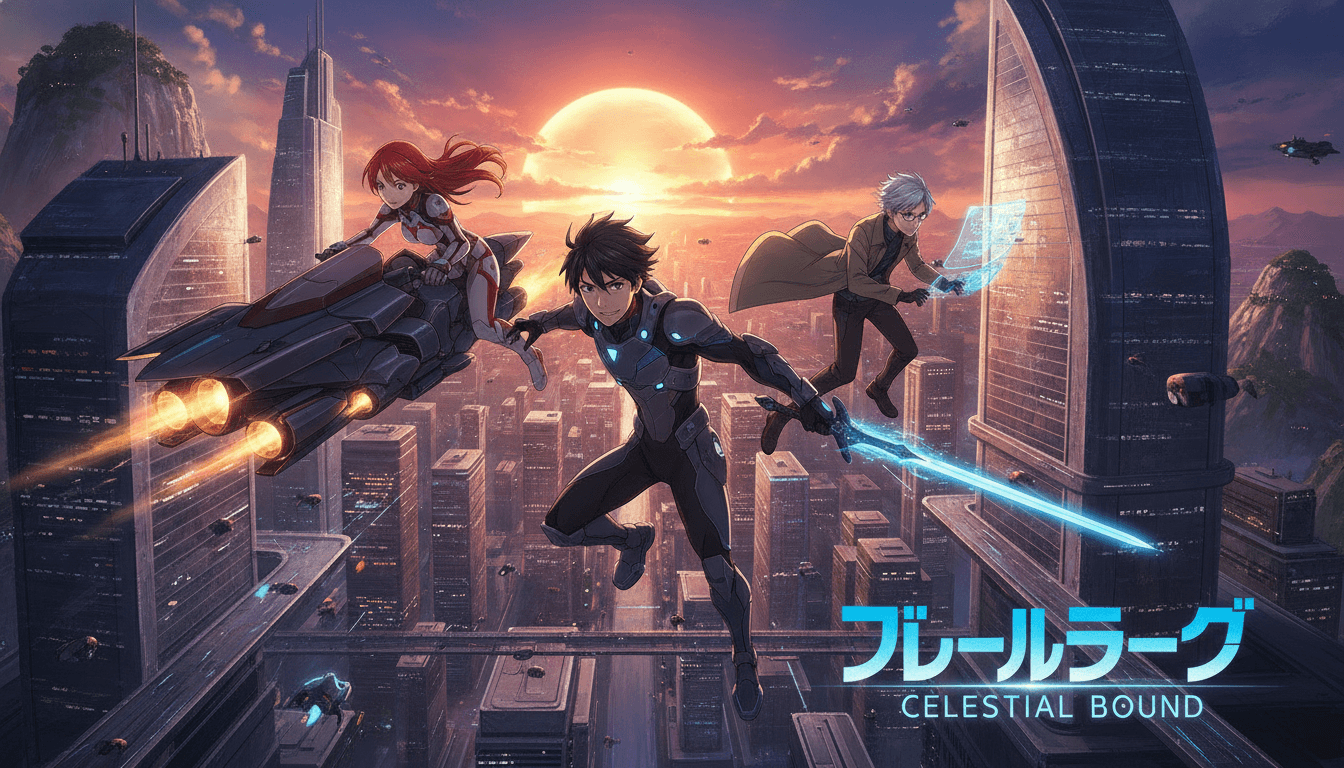
How Minimax H3 anime shots get made
Three stages per shot. The first one is the reason the other two hold together.
The keyframe is drawn first
Minimax H3 is an image-to-video model, so every shot starts from a still. C2Anime renders that opening frame from your character designs before the model ever runs.
The shot is written, not prompted
The Film Director compiles a timecoded shot description — action, voice direction, dialogue and ambience — rather than a one-line prompt.
H3 animates it with sound
The model renders 4 to 15 seconds at 768P or 2K with audio baked in natively, and the closing frame can anchor the next shot.
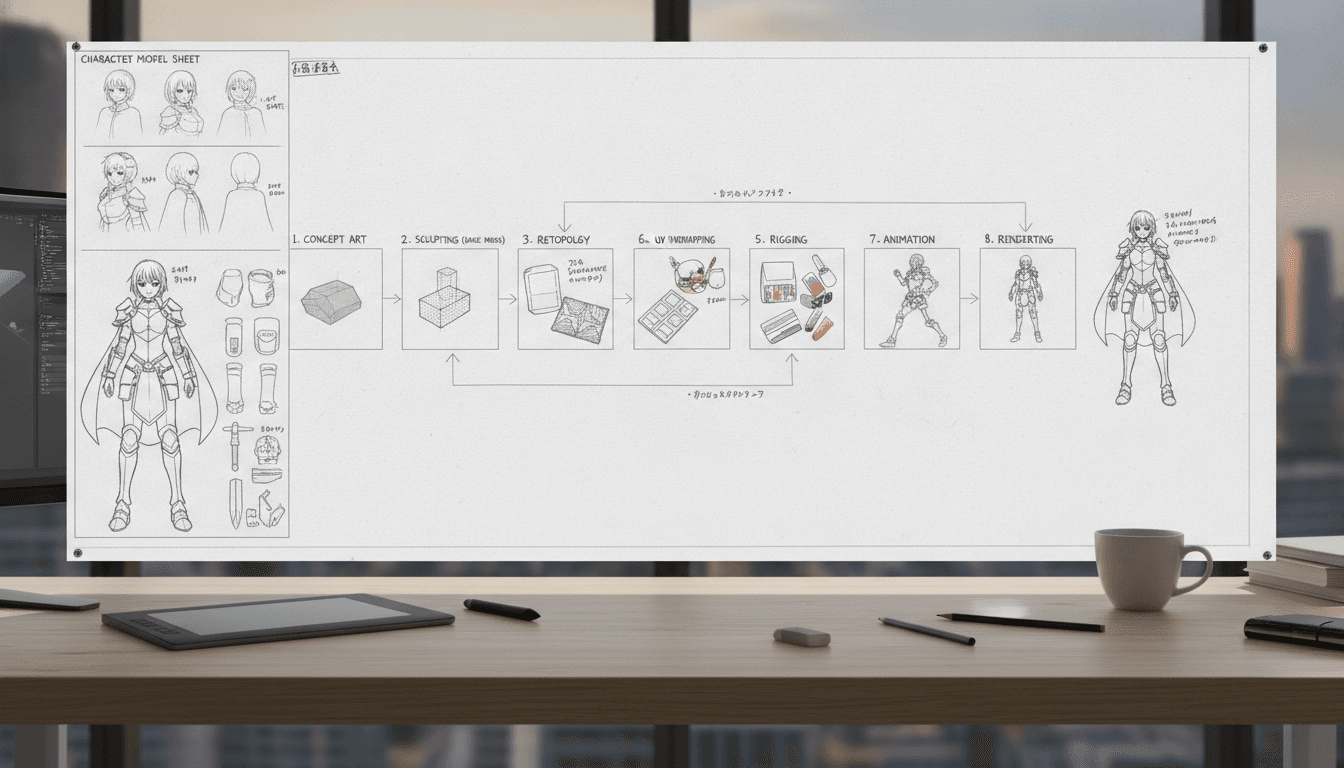
What Minimax H3 is good at
The useful thing about an image-to-video model is that it argues with you less. A text-to-video model has to invent the art style, the character and the framing from a sentence, and it will get one of those wrong. Minimax H3 is handed the frame. Its job is motion, not invention — so the look of the shot is decided by the illustration rather than by how well you worded a prompt.
It also produces sound in the same pass. Audio is native rather than a separate toggle, which means a shot comes back with room tone, footsteps and delivery already attached instead of arriving silent and waiting on a second pipeline.
And it takes a closing frame as well as an opening one. Give it both and it interpolates between them, which is how a camera move or a character crossing a room stays deliberate instead of drifting wherever the model feels like going.
Minimax H3 at a glance
- Model
- minimax-h3/image-to-video (Hailuo 03)
- Input
- An opening keyframe, plus an optional closing frame
- Shot length
- 4 to 15 seconds per render
- Resolution
- 768P or 2K
- Audio
- Native stereo, generated with the video
- Continuity
- First-to-last-frame interpolation and tail chaining
Where Minimax H3 anime generation needs directing
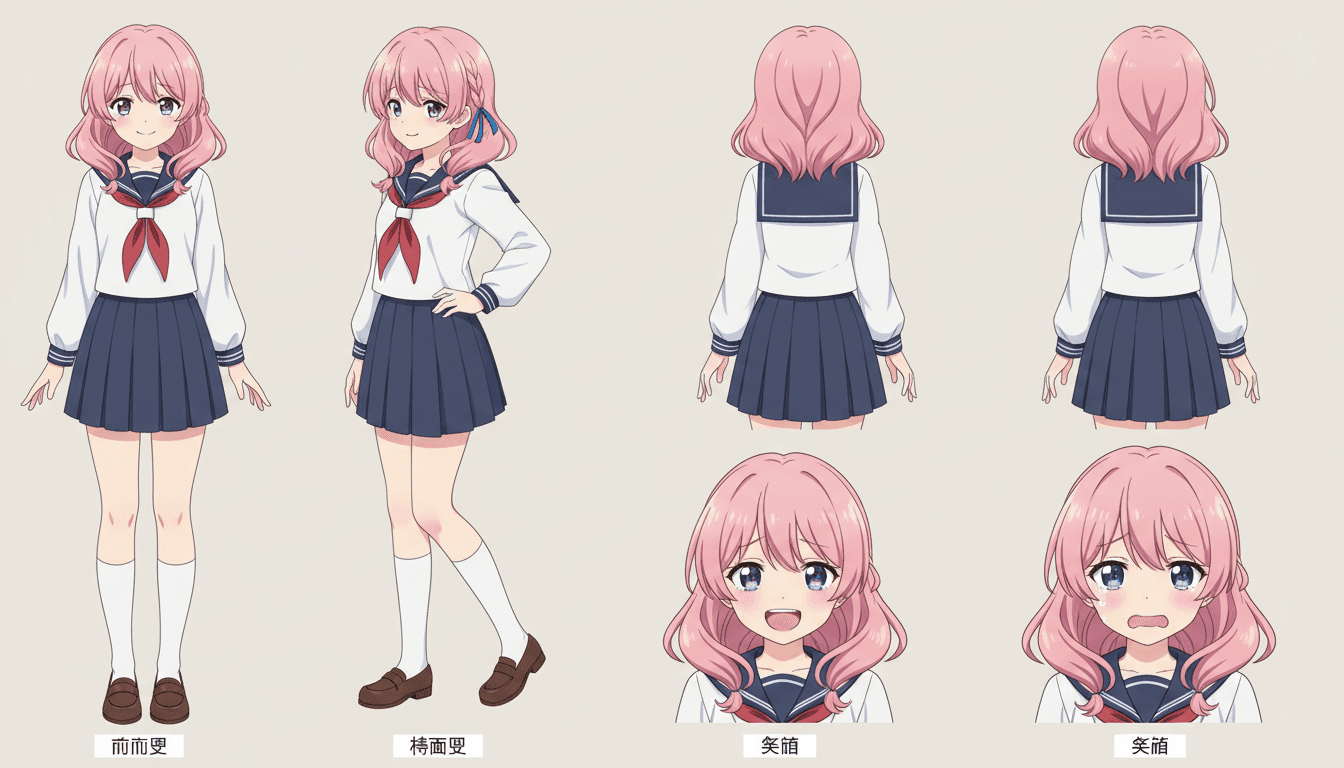
It has no memory of your cast. H3 anchors on the frame it is given and takes no separate reference-image input. On its own, that means consistency is entirely your problem: hand it a slightly different face in shot nine and it will animate a slightly different character. C2Anime solves this upstream by designing the cast once and rendering every opening frame from those fixed designs.
A shot is not a scene. Fifteen seconds is the ceiling on a single render. A conversation runs longer than that, so the scene has to be broken into shots and the shots have to be chained — closing frame of one becoming the opening frame of the next.
Native audio needs to be written. Because sound is generated with the video rather than added later, what the characters say and how they say it has to be in the shot description before the render starts. That is a screenplay problem, not a prompting problem.
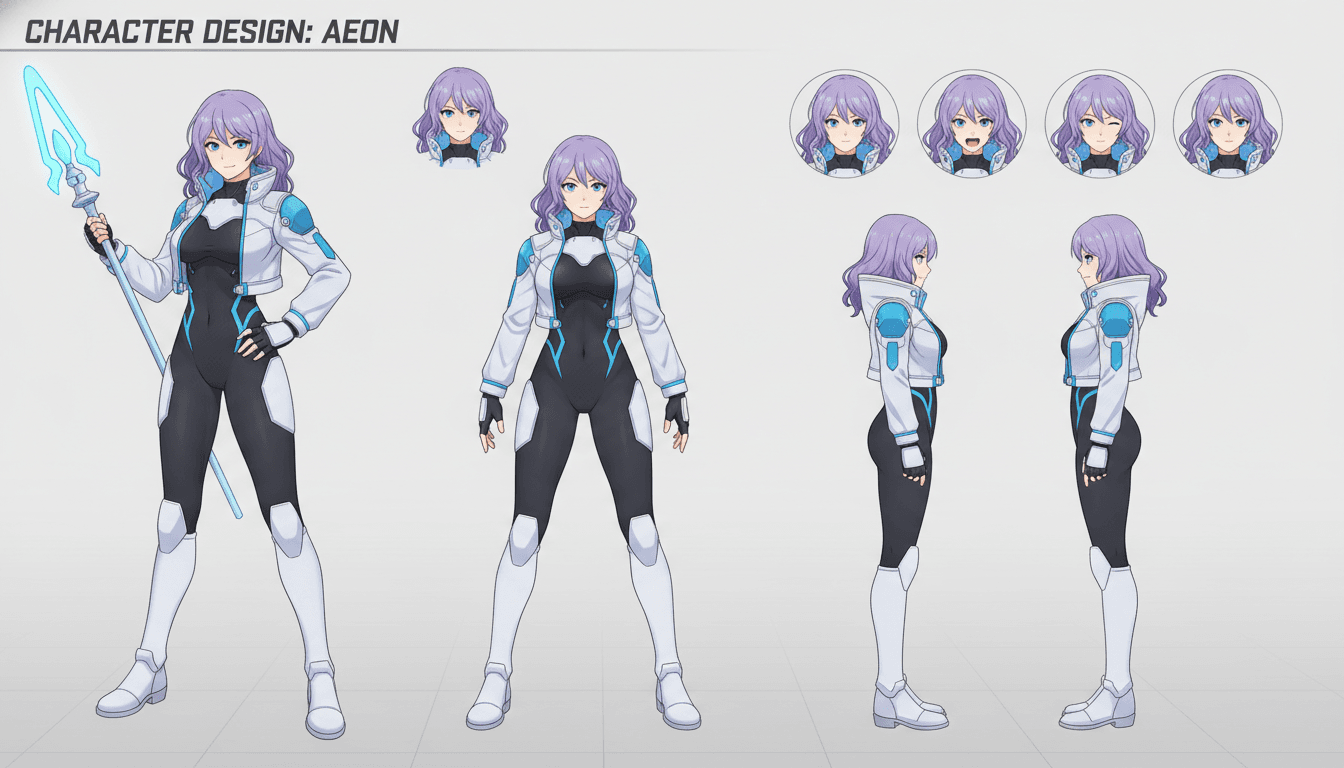
What C2Anime adds on top of the model
Every limitation above is a planning problem, and planning is the part C2Anime owns. Before anything renders, the AI Film Director reads your story, breaks it into acts and scenes, designs the cast, and writes a screenplay with real dialogue. Only then does a shot list get compiled into renders.
That ordering is what turns Minimax H3 from a clip generator into part of an anime pipeline. The keyframes come from character designs that already exist. The shot descriptions carry timecoded action, voice direction and dialogue, so the native audio has something to perform. The chaining is decided by the scene plan rather than improvised shot by shot.
The renderer itself is a swappable setting — C2Anime runs Minimax H3 alongside the Seedance models and selects per quality tier. That is deliberate. Models change every few months; the screenplay, the cast and the scene plan do not, and those are what actually make the video watchable.
What you get from Minimax H3 in C2Anime
Consistency comes from the frame
Because H3 animates a picture you supply, the cast is already correct before motion starts. The model inherits the face rather than guessing at it.
Sound in the same pass
H3 produces stereo audio natively, so footsteps, room tone and delivery arrive with the shot instead of being layered on afterwards.
Shots that chain
Give H3 a closing frame and it interpolates toward it. Hand that frame to the next shot and a scene runs continuously across several renders.
Built for volume
An episode is dozens of shots, many of them re-rendered. H3 at 768P is the tier that makes iterating on a full scene practical.
Minimax H3 anime: common questions
- What is Minimax H3?
- Minimax H3, also released as Hailuo 03, is an image-to-video model from MiniMax. It takes a still image as the opening frame and animates it into a short clip with natively generated audio. C2Anime calls it through the minimax-h3/image-to-video endpoint as one of the renderers behind its anime scenes.
- Is Minimax H3 good for anime specifically?
- It handles the things anime shots are usually made of — a held composition, a camera push, a character turning or speaking — and it keeps the art style of the frame it was given. Because Minimax H3 anime shots start from an illustration you control, the style question is settled before the model runs rather than being argued with in a prompt.
- How long can a single Minimax H3 shot be?
- Between 4 and 15 seconds per render. That is a shot, not a scene. C2Anime plans a scene as a sequence of shots and chains them, which is how the runtime gets past the per-clip limit.
- What resolution does it render at?
- Minimax H3 renders at 768P or 2K. C2Anime uses 768P as the working resolution for drafting and iterating on a scene, since an episode usually means re-rendering shots several times before they are right.
- Does Minimax H3 generate its own audio?
- Yes, and this is one of the reasons it is in the pipeline. Audio is produced natively alongside the video rather than as a separate step, so the shot arrives with ambience and sound already in place.
- Will my characters stay consistent across Minimax H3 anime shots?
- Consistency does not come from the model here — it comes from the keyframes. H3 anchors on the frame it is handed and has no separate reference-image input, so C2Anime designs the cast up front and renders each opening frame from those designs. The model then animates an already-correct character.
- Do I choose the model myself?
- You do not have to. C2Anime treats the renderer as a swappable setting and runs Minimax H3 alongside the Seedance models, picking per tier. What you pick is the quality tier; the Film Director handles the rest.
Bring a story. Leave with an anime.
C2Anime handles the keyframes, the screenplay and the renders. You stay the director.
Start your animeMaking anime with Minimax H3
Minimax H3, released by MiniMax as Hailuo 03, is an image-to-video model: you hand it an opening frame and it animates that frame into a clip of four to fifteen seconds at 768P or 2K, with stereo audio generated in the same pass. C2Anime calls it through the minimax-h3/image-to-video endpoint as one of the renderers behind its scenes. For Minimax H3 anime work specifically, the image-to-video shape is the whole advantage — the art style, the framing and the character design are settled in the frame before the model is asked to move anything.
That advantage only pays off if something upstream is producing correct frames. A Minimax H3 video generator used on its own will faithfully animate whatever you give it, including an inconsistent character. This is why C2Anime designs the cast first and treats those designs as fixed references for the entire production: every opening frame is rendered from the same character sheets, so the model inherits a face that is already on model instead of improvising one. Across a scene, the closing frame of one shot becomes the opening frame of the next, which is how continuous action survives a per-render length cap.
The native audio changes how the shot has to be written. Because sound is produced with the video rather than layered on afterwards, the dialogue, the delivery and the ambience all have to exist in the shot description at render time. C2Anime's Film Director writes a real screenplay before rendering begins, so each shot arrives with timecoded action, voice direction and lines to perform — rather than a single sentence of prompt and a hope that the model fills in the rest.
Models move quickly, and the right answer this quarter will not be the right answer next year. C2Anime runs Minimax H3 alongside the Seedance models and treats the renderer as a swappable setting chosen per quality tier, so you pick how good the output should be rather than which model to operate. What stays constant is the part that makes an anime an anime: one cast, a written screenplay, voiced dialogue and scenes that connect. Bring the story and start directing.