An OC animation maker for the OC you already have
You have drawn them, written their backstory and argued about their eye colour. What you have never seen is them move. C2Anime is an OC animation maker: describe the character you already designed, give them a scene, and they act it out in voiced anime — same face, same outfit, every shot.
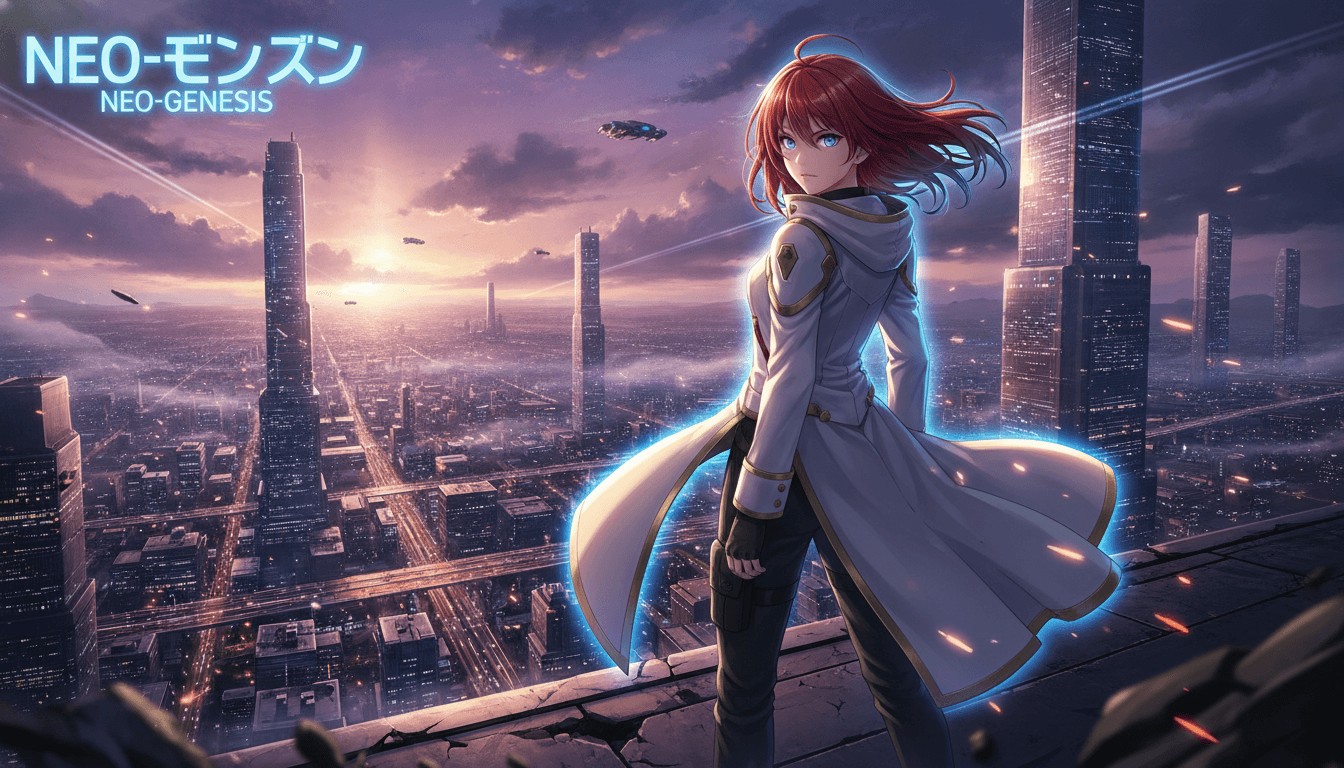
How the OC animation maker works
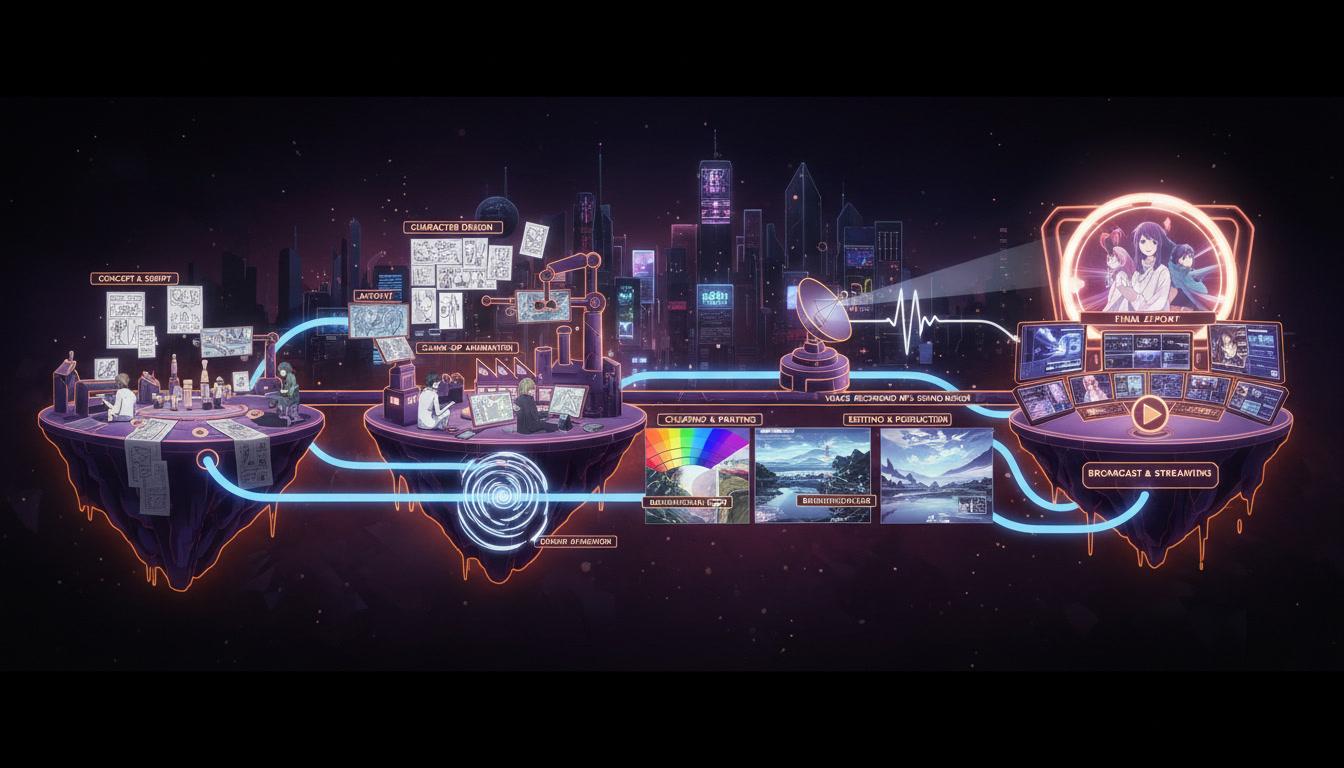
Three stages. The design is locked before anything renders, which is why the character survives the motion.
Describe the OC you already have
Hair, eyes, outfit, the details you never let anyone change. C2Anime turns that into a locked character design it will reuse for every shot.
Give them a scene to play
A confrontation, a quiet moment, an entrance. The screenplay is written first, with your OC’s dialogue, so the animation has something to act.
Watch them move and speak
The scene renders as voiced anime with your OC in it — same face, same outfit, same person from the first frame to the last.

Motion is where most OC animation breaks
A still portrait only has to be right once. The moment a character turns their head, an image model has to redraw them from a new angle — and without a fixed reference it will happily invent a slightly different person. The braid moves to the other shoulder. The jacket loses a buckle. The face rounds out.
Anyone who has tried to animate an OC by prompting shot after shot knows the feeling: every render is close, none of them is your character, and stitching them together produces something that reads as a stranger wearing your OC's clothes.
C2Anime settles the design first and treats it as a fixed reference for the rest of the production. Rendering a new angle becomes a question of showing the same character from somewhere else, not of guessing who they were.
Bring the OC you already designed
Most people arriving at an OC animation maker are not starting from nothing. They have years of sketches, a ref sheet, a personality they can describe in one sentence and a voice they already hear in their head. The job is not to invent a character — it is to not lose the one that exists.
So describe them the way you would describe them to an artist you are commissioning: the silhouette, the hair, the outfit, the two or three details that are non-negotiable. C2Anime builds a character design from that and holds it steady for every scene they appear in.
The same applies to a whole cast. If your OC has a rival, a sibling or a best friend, each of them gets their own locked design, so a scene with three people in it does not turn into three strangers by the end of the shot.

What the OC animation maker handles for you
On model while moving
Motion is where OC designs usually fall apart. The design is fixed before rendering starts, so turning, walking and reacting do not quietly redraw your character.
Your OC gets a voice
They speak their own lines and keep the same voice across scenes, which does more for a character reading as real than any amount of extra detail in the art.
Acting, not just animation
Because a screenplay comes first, your OC has intent in the shot — they want something, they say something, something changes.
More than one character
Put your OC opposite someone else’s and both stay on model. Scenes with two people talking are where an OC stops being a portrait.
Scenes worth animating your OC in
The introduction. The shot you have imagined a hundred times — your OC walking in, looking up, saying the line that tells everyone who they are. It is the best first test because you already know exactly how it should feel.
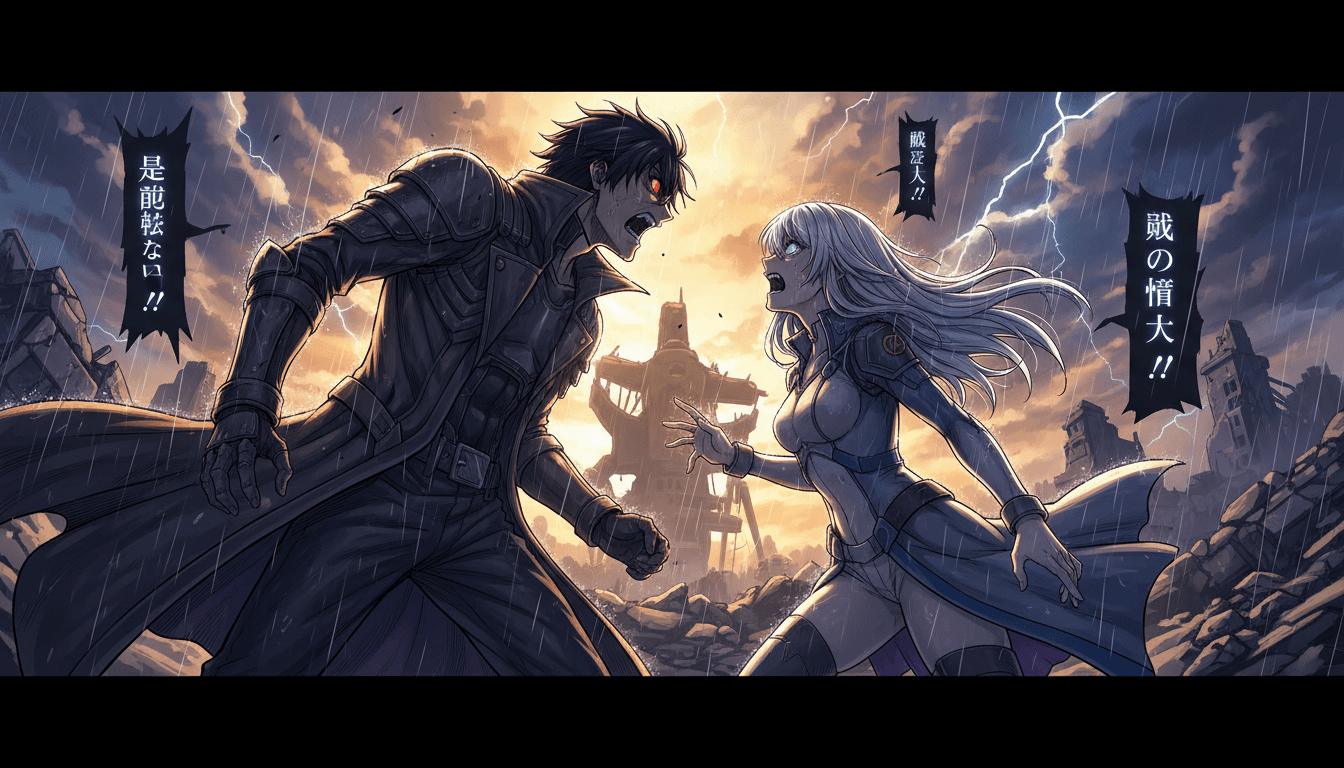
The argument. Two characters, opposed, talking. Dialogue does more character work in thirty seconds than a gallery of portraits does in a year, and it is the thing still images cannot do at all.
The scene from the fic. If your OC lives in something you have already written, hand over that passage. The screenplay is built from your beats, so what renders follows the story you wrote rather than a new one.
The quiet moment. No plot, just your character alone somewhere, reacting. Small motion and a held expression are surprisingly convincing once the design stops drifting.
OC animation maker: common questions
- What is an OC animation maker?
- An OC animation maker takes an original character you already designed and puts them into moving, voiced footage instead of another still image. C2Anime locks your OC’s design, writes a scene for them, and renders it as anime video with their dialogue in it.
- Can I animate an OC I already designed myself?
- Yes — that is the case this is built for. Describe the character as specifically as you can: hairstyle and colour, eye colour, outfit, accessories, build, the small identifying details. The more precise the description, the closer the animated OC lands to the one in your head.
- Will my OC look the same in every shot?
- The design is fixed before any rendering happens and reused as a reference for every scene the character appears in. That is the whole reason to work from a locked design rather than prompting shots one at a time, where the face drifts every render.
- Does my OC actually talk?
- Yes. Scenes are built around dialogue rather than narration over stills. Your OC is assigned a voice and keeps it, so a conversation across several scenes sounds like the same character throughout.
- How long can an OC animation be?
- Long enough for a real scene with a beginning, middle and end, rather than a five-second clip. If you have a longer story, it is planned as a sequence of connected scenes instead of a single render.
- Can I put two OCs in the same scene?
- Yes. Each character is designed and locked separately, so a two-hander stays consistent on both sides. This is usually the first thing people try once one OC works.
- Do I need animation skills to use this?
- No. You need a character you care about and an idea of what they would do in a given moment. Staging, timing, camera and voice are handled for you.
Animating an original character with an OC animation maker
An OC animation maker has a narrower job than a general video generator, and a harder one. A video generator only has to produce a convincing shot. This kind of tool has to produce a convincing shot of a specific character — one the person watching has known for years and will notice every deviation from. That constraint is the whole problem, and it is what C2Anime is built around: a character design is settled once, up front, and reused as a fixed reference for every scene the character appears in.
The workflow runs in the order an animation studio would run it. Your OC's design is locked first. Then a screenplay is written, with scene headings, action and real dialogue, so the character has something to do rather than just something to be. Only then does anything render, and each scene renders against that plan with the cast already decided. You can read the screenplay, change it, and re-render individual scenes without starting the whole video over.
Voice matters more than most people expect. A character who speaks their own lines, in a voice that stays the same from scene to scene, stops reading as artwork and starts reading as a person in a show. That is the gap between a folder of reference images and an actual anime — and it is why scenes here are built around dialogue rather than narration laid over stills.
Whether you want one shot of your OC turning to camera, a two-hander between your character and someone else's, or a full scene lifted from a story you have already written, an OC animation maker earns its keep by keeping the character intact while everything around them moves. Bring the OC you already have — C2Anime will put them on screen.