Story to anime, and it actually follows the story
You already wrote the hard part. C2Anime turns that finished story into an anime video — the same beats in the same order, the characters you described holding one design across every scene, and your dialogue spoken out loud. Story to anime as an adaptation, not as a prompt that vaguely gestures at your plot.
How story to anime conversion works
Three stages, in this order. The order is why the finished video still resembles what you wrote.
Paste the story you already wrote
A short story, a chapter, a finished draft. C2Anime reads it for the beats that carry the plot instead of asking you to summarise it into a prompt.
Approve the adaptation plan
You get a scene list, a cast and a screenplay before anything renders. If a beat is missing or a character reads wrong, you fix it there.
Watch the anime get made
Each scene is staged, voiced and rendered against that plan, with the same cast designs from the first shot to the last.
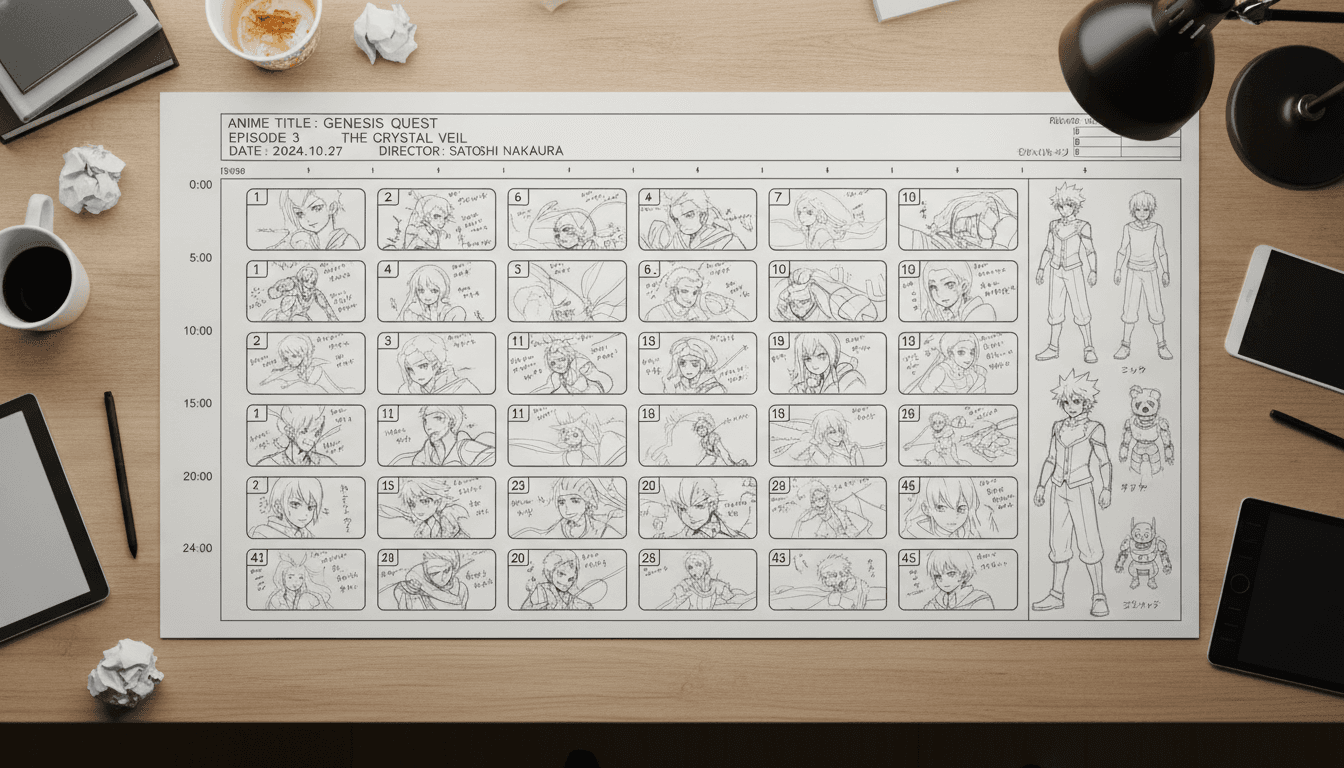
Prose is not a prompt
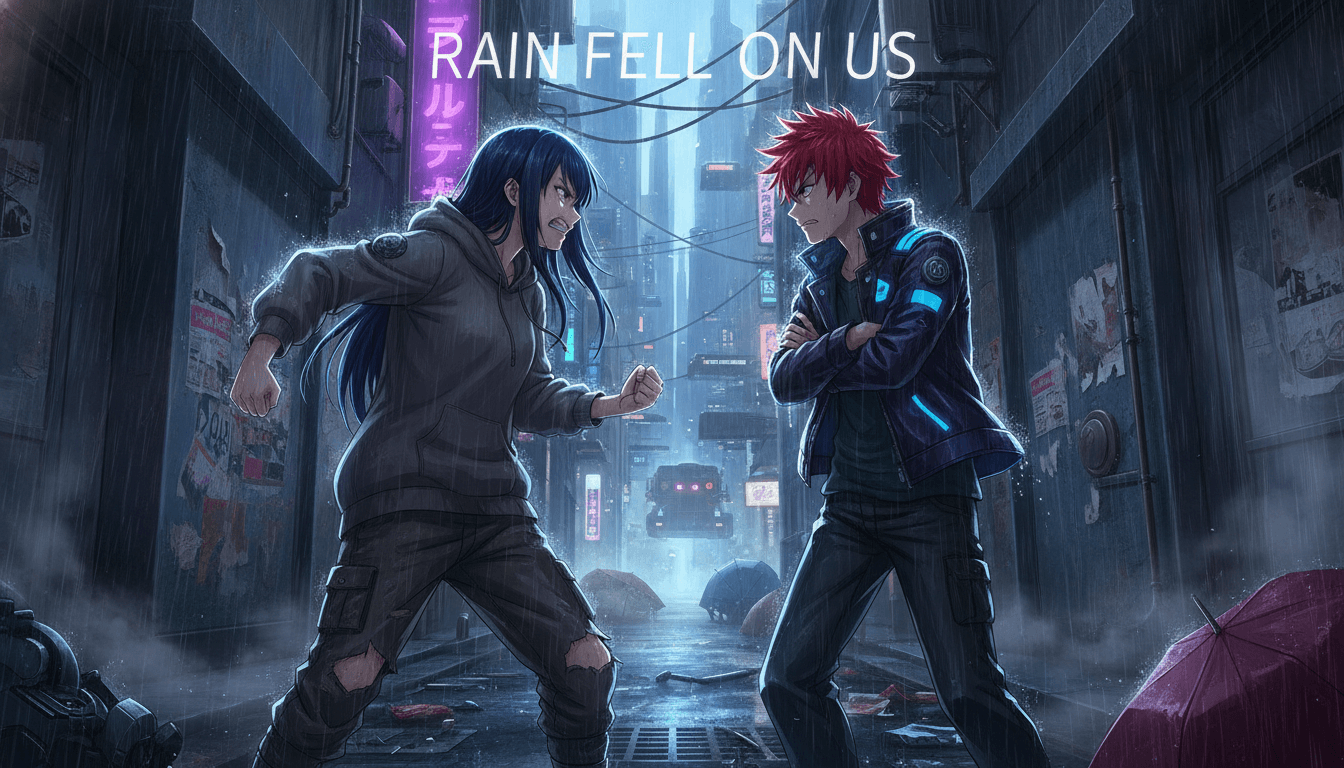
The usual way to convert story to anime is to compress a few thousand words into a sentence a video model can read. Everything that made the story yours — the turn in the middle, the line you rewrote nine times, the reason the ending lands — gets flattened into “two characters argue in the rain, anime style”.
C2Anime keeps the whole text. It works out which paragraphs are scenes and which are connective tissue, which exchanges deserve screen time, and where the story actually turns. That becomes a scene list you can read and correct before a single frame exists.
Adaptation still means change: interior monologue has to become something visible, and a paragraph of description becomes staging rather than dialogue. But the changes are the ones an adaptation has to make, not the ones a summariser makes by accident.
The cast you described, on model throughout
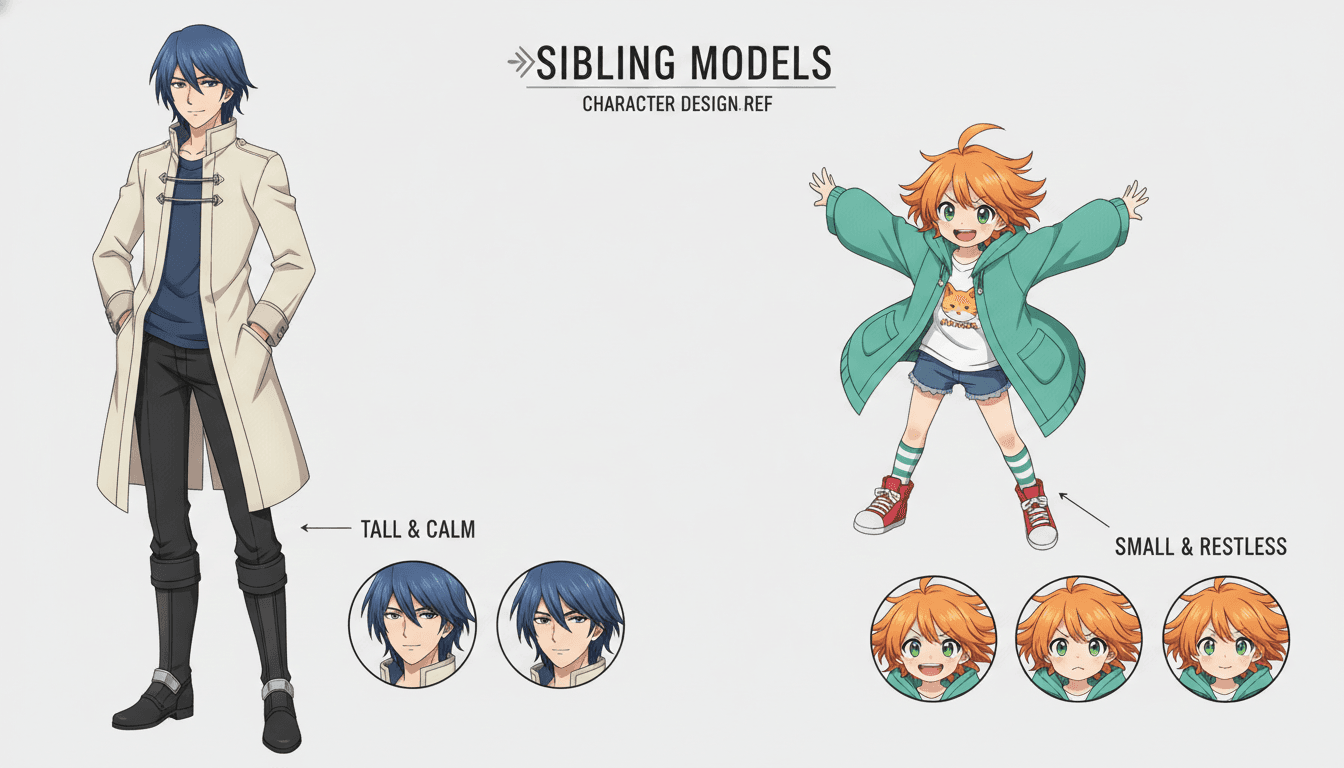
Ask anyone who has tried to turn a story into anime with AI what breaks first and the answer is always the characters. The protagonist's hair changes length between scenes. A scar moves. The little sister is suddenly taller than her brother. Readers who know the story notice instantly, and the spell breaks.
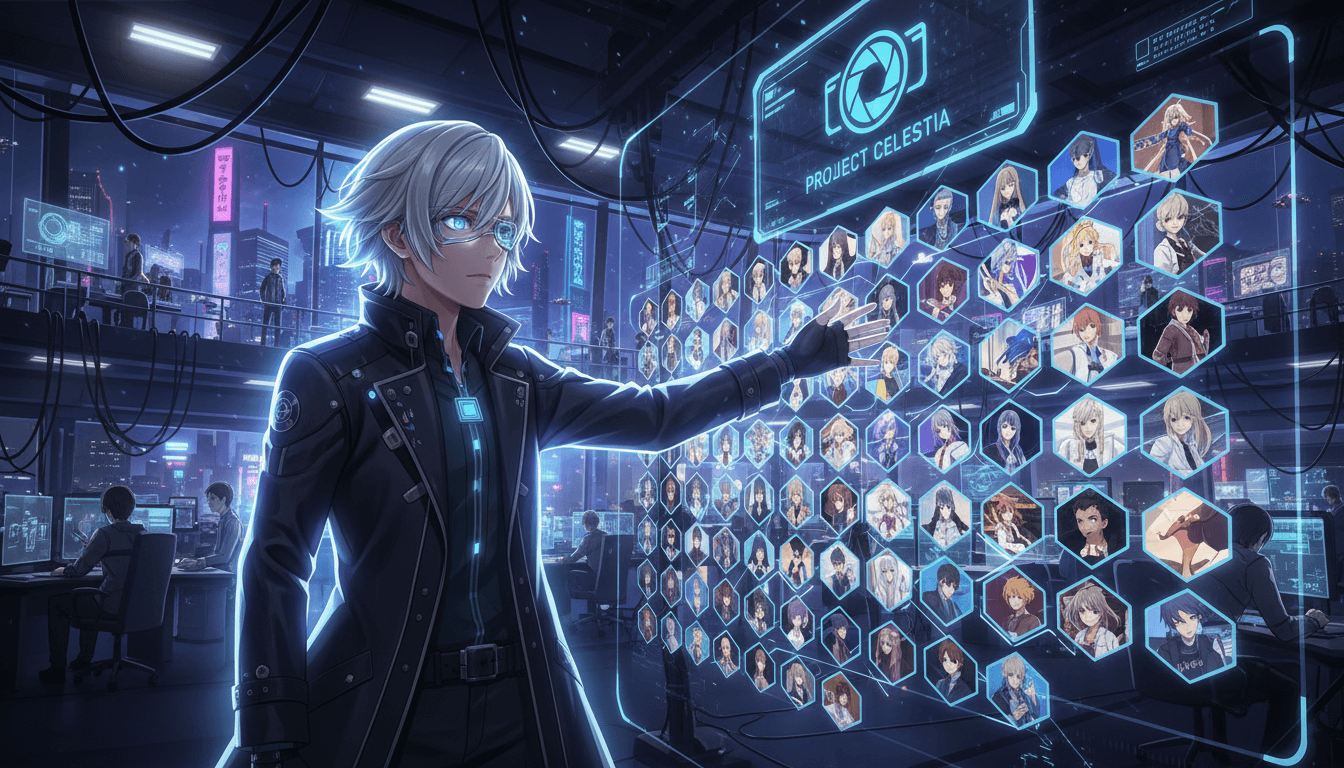
C2Anime designs each character once from your descriptions and treats that design as a fixed reference for the rest of the production. When your lead walks into scene nine, the system is reusing them, not reinventing them from a text description for the ninth time.
That consistency is also what makes a chapter-by-chapter series possible. The same cast carries from one episode to the next, so a long story can be adapted in instalments instead of being crushed into a single clip.
What you get when you convert a story to anime here
Your characters stay your characters
The cast is designed once from your descriptions and reused in every scene, so the protagonist in the final act is recognisably the one from chapter one.
Your beats, in your order
The screenplay is built from the structure of your story. Scenes keep their setups and payoffs rather than being reshuffled into something generic.
Dialogue you wrote, spoken aloud
Lines from your story become voiced dialogue with a consistent voice per character, not narration read over still frames.
Long enough to be the story
A complete short with a beginning, middle and end — the length the story needs, not whatever fits in a five-second clip.
Which stories adapt best
Short stories with a clear arc. Something that already has a beginning, a turn and an ending converts most cleanly, because the structure the adaptation needs is already on the page.
Dialogue-driven scenes. Anime carries story through people talking to each other. If your characters argue, confess or negotiate on the page, those scenes come across almost directly.
Chapters of a longer work. Adapt a novel one chapter at a time. The cast persists between chapters, so what you end up with is a series rather than a set of unrelated videos.
Stories with described characters. The more specific you were about how people look and sound, the closer the designs land to what you pictured while writing.
Story to anime: common questions
- How does story to anime conversion actually work?
- C2Anime reads your full text, breaks it into scenes, designs a cast from your character descriptions and writes a screenplay covering those scenes. Only then does it render. Because the plan exists before the first frame, the finished video follows your story rather than drifting away from it.
- Will it change my plot?
- It adapts rather than rewrites. Prose has to become scenes — interior monologue turns into action or dialogue, and some description becomes staging — but the beats, the order and the ending come from your text. You see the scene list before rendering and can correct anything that reads wrong.
- How long can my story be?
- Short stories and single chapters convert most cleanly, because they already have a self-contained arc. Longer manuscripts work best split into chapters, with each one adapted as an episode that shares the same cast.
- Do my characters look the same across every scene?
- Yes — this is the part most tools get wrong. Character designs are locked in during planning and reused as fixed references for every shot, so faces, hair and outfits do not drift between scenes.
- What if my story has no dialogue?
- Interior, description-heavy prose still converts. The screenplay stage turns implied exchanges into spoken lines and turns narration into things you can see happen. You can edit that dialogue before anything renders.
- Can I convert a story to anime without animation experience?
- That is who the tool is built for. You do not storyboard, key-frame or rig anything. You supply the writing and the judgement about whether the adaptation is faithful.
- Can I re-render a single scene I do not like?
- Yes. Scenes are rendered individually against the plan, so you can change one and leave the rest of the video alone.
You wrote it. Now watch it.
Bring the story you already finished and see it as anime.
Start your adaptationTurning a story into anime, start to finish
Story to anime sounds like a single step, and in most tools it is treated like one: paste a description, get a clip. The result rarely resembles the thing you wrote, because a few seconds of generated footage cannot hold a plot. C2Anime treats the conversion the way a studio treats an adaptation — read the source, break it into scenes, cast it, write the screenplay, then shoot. Each stage is visible before the next one runs, so you are approving an adaptation rather than hoping a prompt guessed right.
The hardest part of converting a story to anime video is continuity. Fiction depends on recognition: the same face, the same voice, the same world, scene after scene. Tools that render each shot in isolation cannot deliver that, because nothing in the system remembers the previous shot. C2Anime designs the cast once during planning and reuses those references everywhere, which is why a character introduced in the opening scene still looks like themselves at the end.
The other half is dialogue. Prose can spend a page inside someone's head; anime has to put that on screen, usually through what people say to each other. The screenplay stage does that conversion explicitly, turning your written exchanges into voiced lines and your narration into staging and action. Every character keeps one voice across the video, so scenes play as conversations rather than as captions over stills.
Bring a short story, a chapter, a script or a finished draft. C2Anime is in invite-gated Early Access with paid credit tiers, and the workflow is built for people who want a faithful adaptation of a story they already believe in — not a generic clip that happens to look like anime. Convert your story to anime and keep directing it until it matches what you imagined.