Thriller Anime Short Drama Generator for Vertical Micro-Drama Makers
Paste a script, synopsis, or chapter and C2Anime's AI Film Director plans the structure, locks a consistent cast, writes a real screenplay, and renders voiced anime scenes. You get a finished thriller anime short drama video built for vertical feeds, not a slideshow of stills. Best results land around 30 seconds to 3–4 minutes per piece.
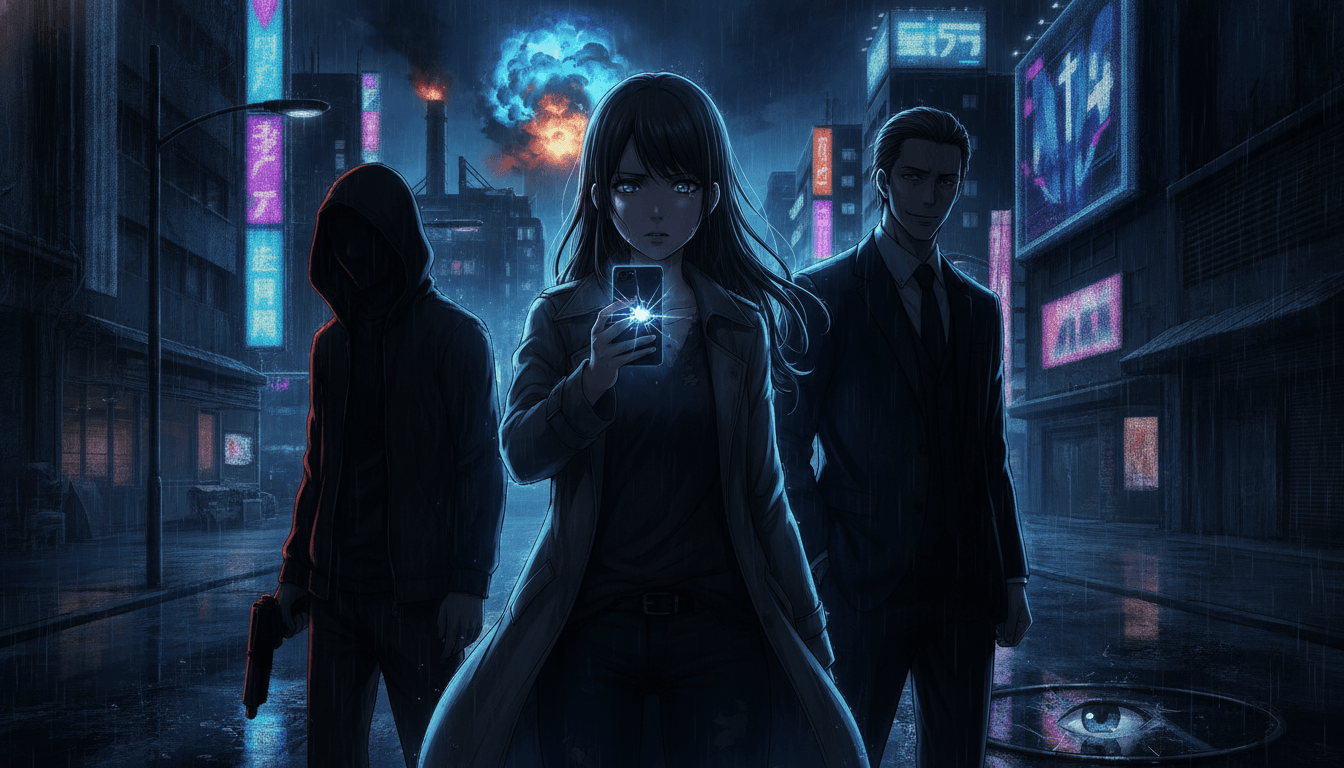
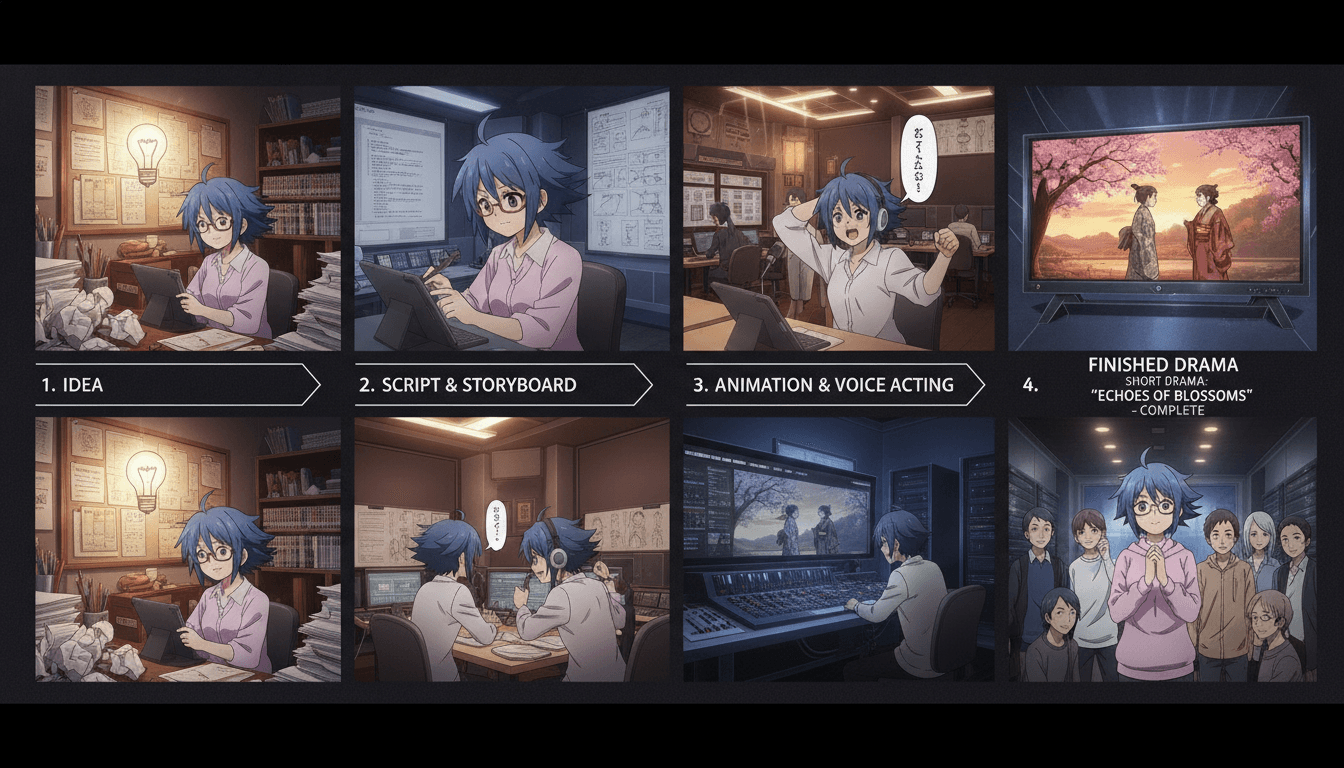
How the Thriller Anime Short Drama Generator Builds an Episode
The generator works like a small production crew: it plans, casts, and shoots. You stay in control of the story at each stage.
Bring the story
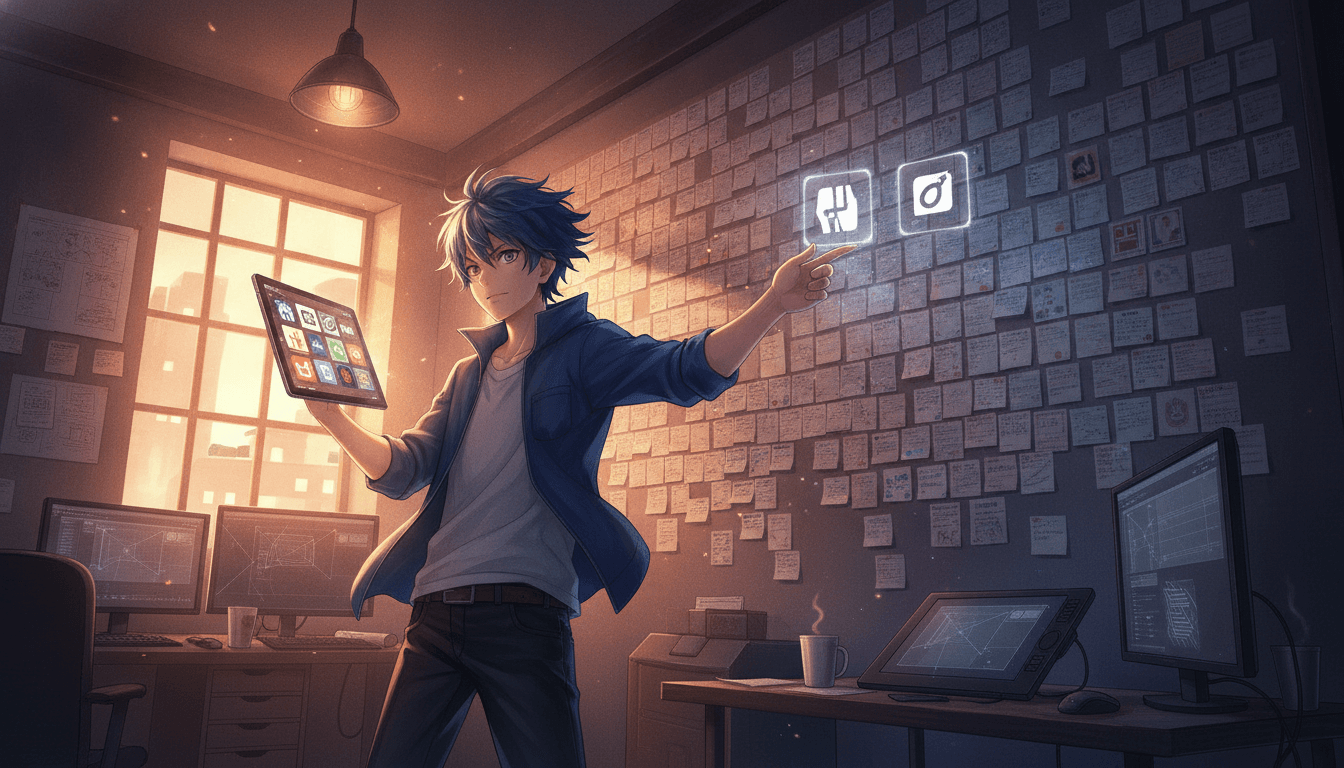
Paste a script, a beat sheet, or a short synopsis of your thriller premise. The AI Film Director reads it and proposes a scene structure with a hook, escalation, and a closing twist.
Lock the cast and screenplay
It designs your characters — same faces, hair, and outfits across every shot — then writes dialogue-driven screenplay pages. Review and adjust before anything renders.
Render the scenes
Each scene renders as a voiced anime clip, then stitches into a finished thriller anime short drama video. Build longer runtimes by adding scenes rather than stretching one clip.
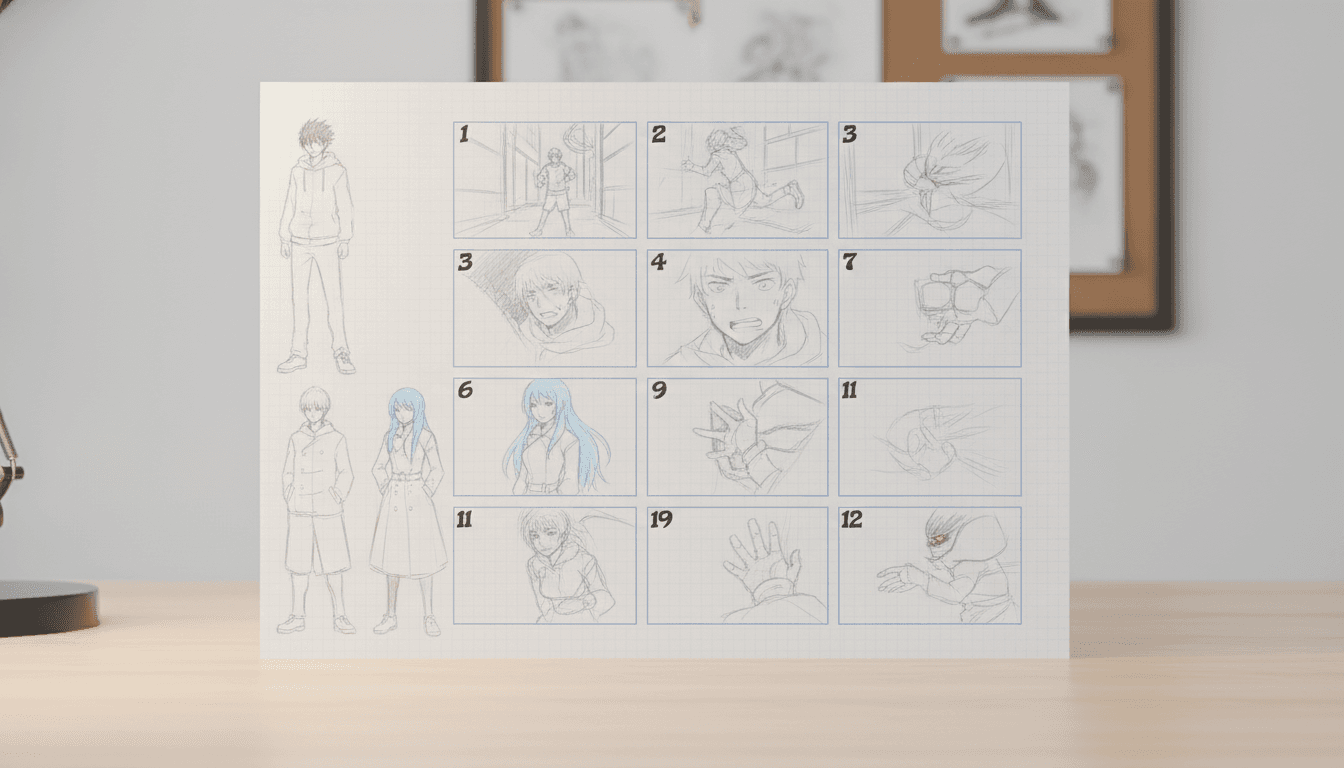
Why This Thriller Anime Short Drama Generator Fits Vertical Drama
A thriller anime short drama generator has to do more than produce a striking frame. C2Anime's core differentiator is cast consistency: the same character keeps the same face, hair, and outfit from the opening hook to the final reveal, so your audience can follow who is who across a fast, vertical cut. That continuity is what makes a thriller read as a story rather than a mood board.
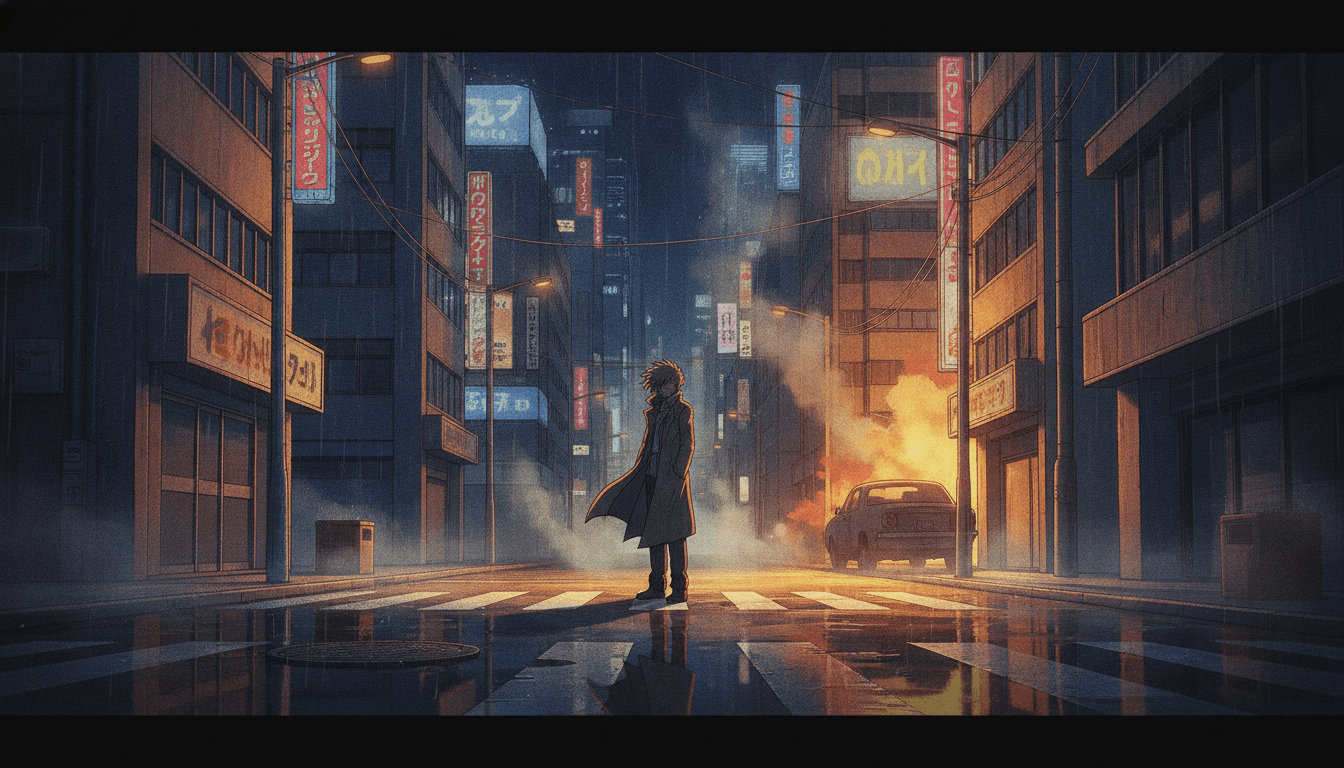
Thriller pacing is brutal on short-form. You have seconds to establish tension, plant a clue, and pay it off. The generator's AI Film Director plans scenes with that rhythm in mind, writing a real screenplay with dialogue and beats instead of just describing pictures. You get voiced, dialogue-driven scenes you can cut straight into a vertical timeline.
It is built for micro-drama workflows, so it stays honest about length. The stable sweet spot is roughly 30 seconds to a few minutes per piece, with single scenes kept short and longer episodes assembled from multiple scenes. That matches how serialized thriller shorts actually ship: tight scenes, cliffhanger endings, and a next episode that picks up the thread.
Inside the Generator: Cast, Screenplay, and Scene Rendering
Under the hood, C2Anime runs on Seedance and MiniMax models. The pipeline is staged: first a structural plan, then character design, then screenplay, then scene rendering with voice. Because each stage is separate, you can fix a weak beat or swap a character detail before committing credits to a full render.
Cast consistency is the part that matters most for serialized thrillers. When your antagonist appears in episode one and returns in episode six, the generator keeps their design anchored so returning viewers recognize them instantly. Outfits, hairstyles, and facial features carry across shots, which is exactly what a recurring thriller cast needs.
Scene length is deliberately bounded. Individual scenes render short so pacing stays sharp, and episodes are composed by joining multiple scenes. If you are planning a longer thriller arc, think in scene blocks — a cold open, two escalation beats, and a cliffhanger — rather than one continuous clip. This is also where you control the drama: dialogue-heavy confrontation scenes, silent tension beats, and reveal shots each get their own render.
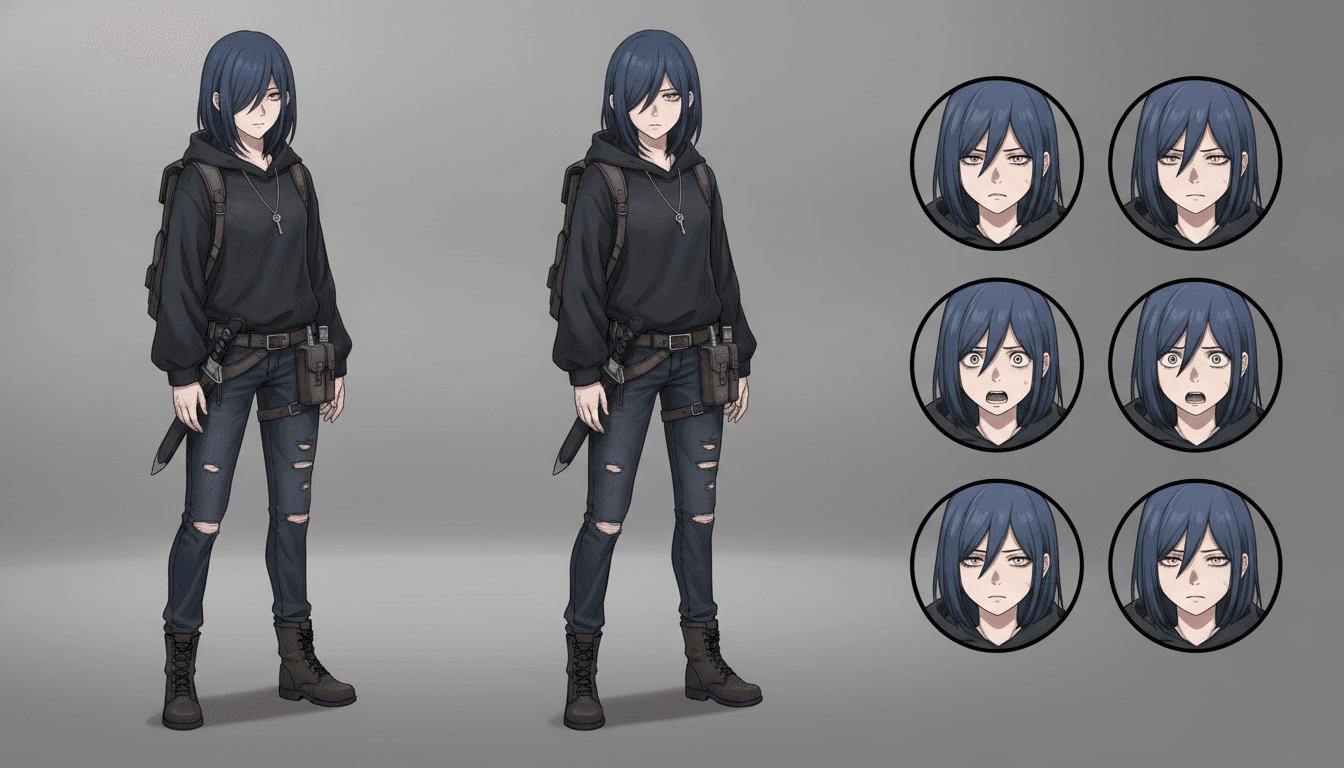
Features of the Thriller Anime Short Drama Generator
Consistent cast across shots
Characters keep the same faces, hair, and outfits from the first scene to the last, so your thriller cast stays recognizable across an episode and a series.
Real screenplay, real dialogue
The AI Film Director writes screenplay pages with spoken lines and scene beats, then renders voiced anime scenes rather than silent visuals.
Scene-based length control
Render tight scenes and stitch them into episodes. Stable output sits around 30 seconds to 3–4 minutes, with single scenes kept under about 15 seconds and longer runtimes built from multiple scenes.
Vertical-first framing
Scenes are composed for phone screens, with close-ups and reaction shots that read clearly in a fast vertical feed.
Who Uses This Thriller Anime Short Drama Generator
Vertical short-drama studios Teams producing serialized thriller episodes for TikTok, Reels, and YouTube Shorts who need a repeatable pipeline from script to voiced scenes.
Solo micro-drama creators Writers and editors who have the story but not the animation crew, and want a finished thriller anime short drama video they can cut and publish.
Writers adapting prose Novelists and web-fiction authors turning a chapter or premise into a short anime episode to test audience reaction before committing to a full series.
Frequently Asked Questions
- How long can a thriller anime short drama video be?
- The stable sweet spot is roughly 30 seconds to 3–4 minutes per finished piece. Individual scenes are kept short — around 15 seconds or less — and longer episodes are assembled by stitching multiple scenes together. There is no single long continuous clip.
- Does the thriller anime short drama generator keep characters consistent?
- Yes. Cast consistency is the core design goal. The generator anchors each character's face, hair, and outfit so they stay the same across every shot and across episodes of a series.
- Can I use the thriller anime short drama AI for true-crime or mystery stories?
- You can, but frame true-crime and mystery material as dramatized and inspired-by. Change or omit real names, avoid identifiable real victims, never accuse a named living person, and stay general on open or living cases.
- What models power C2Anime?
- C2Anime runs on Seedance and MiniMax models. The AI Film Director handles planning, casting, and screenplay, and the rendering stage produces voiced anime scenes.
- Is there a free tier?
- C2Anime is in invite-gated early access with paid credit tiers. There is no free tier and no instant signup — access opens through invitations, and credits are purchased by tier.
- How do I start making a thriller episode?
- Head to /create to open the studio with your script or premise, or visit /pricing to review credit tiers. Early access is invite-gated, so check access before planning a full production schedule.
Turn your thriller script into a voiced anime episode
Paste your premise, lock your cast, and render scene by scene. Early access is invite-gated with paid credit tiers — start at /create or review plans at /pricing.
Start your animeAbout the Thriller Anime Short Drama Generator
The thriller anime short drama generator is built for creators who ship serialized short-form drama. C2Anime turns a script or synopsis into a finished anime video with a consistent cast, a written screenplay, and voiced dialogue-driven scenes — designed for vertical feeds and cliffhanger pacing.
Every episode is assembled from short scenes, with a stable sweet spot around 30 seconds to 3–4 minutes and single scenes kept under roughly 15 seconds. Longer thriller arcs are composed by stitching multiple scenes, which keeps pacing tight and makes revisions cheaper.
C2Anime runs on Seedance and MiniMax models and is available through invite-gated early access with paid credit tiers. There is no free tier and no instant signup; review access and plans before you commit a production schedule.
If your thriller draws on true-crime or real events, treat the output as dramatized and inspired-by: change or omit names, avoid identifiable real victims, never accuse a named person, and stay general on open or living cases.