A true crime video generator that shoots your case scene by scene
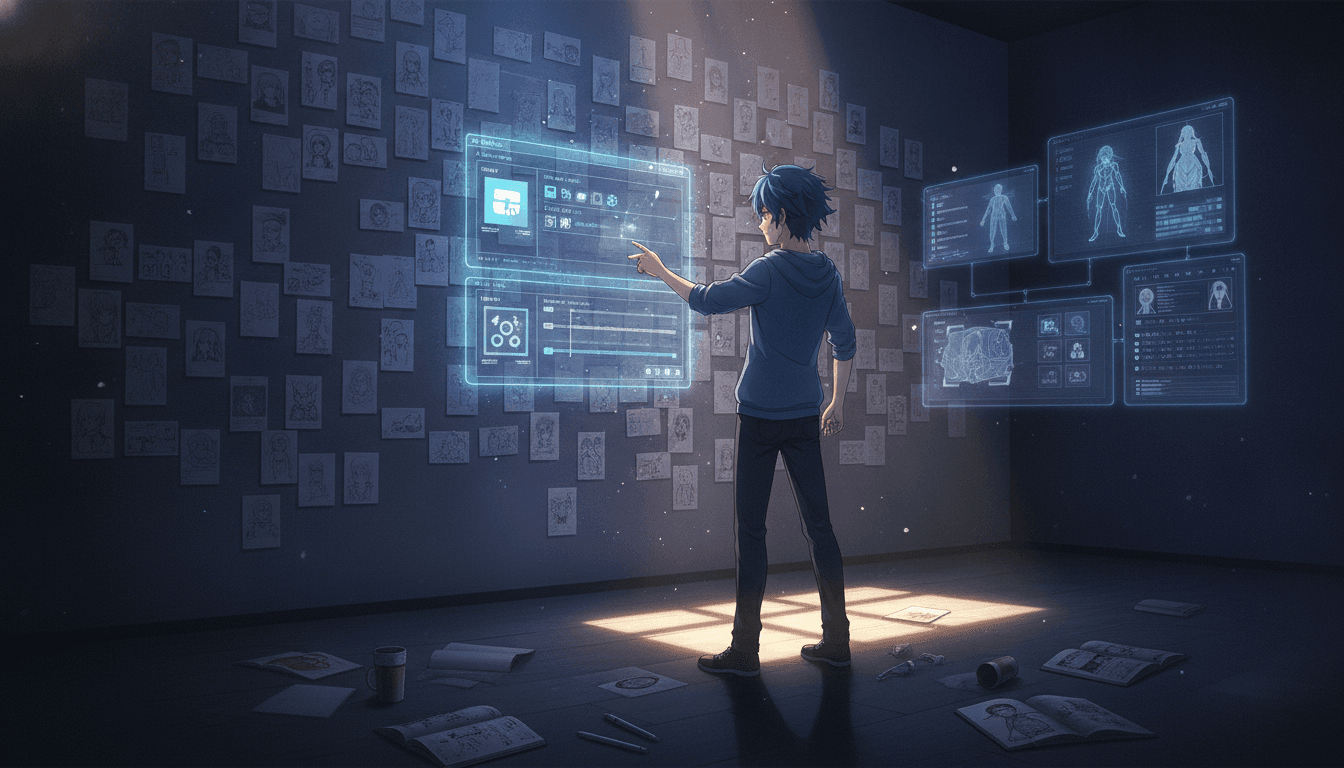
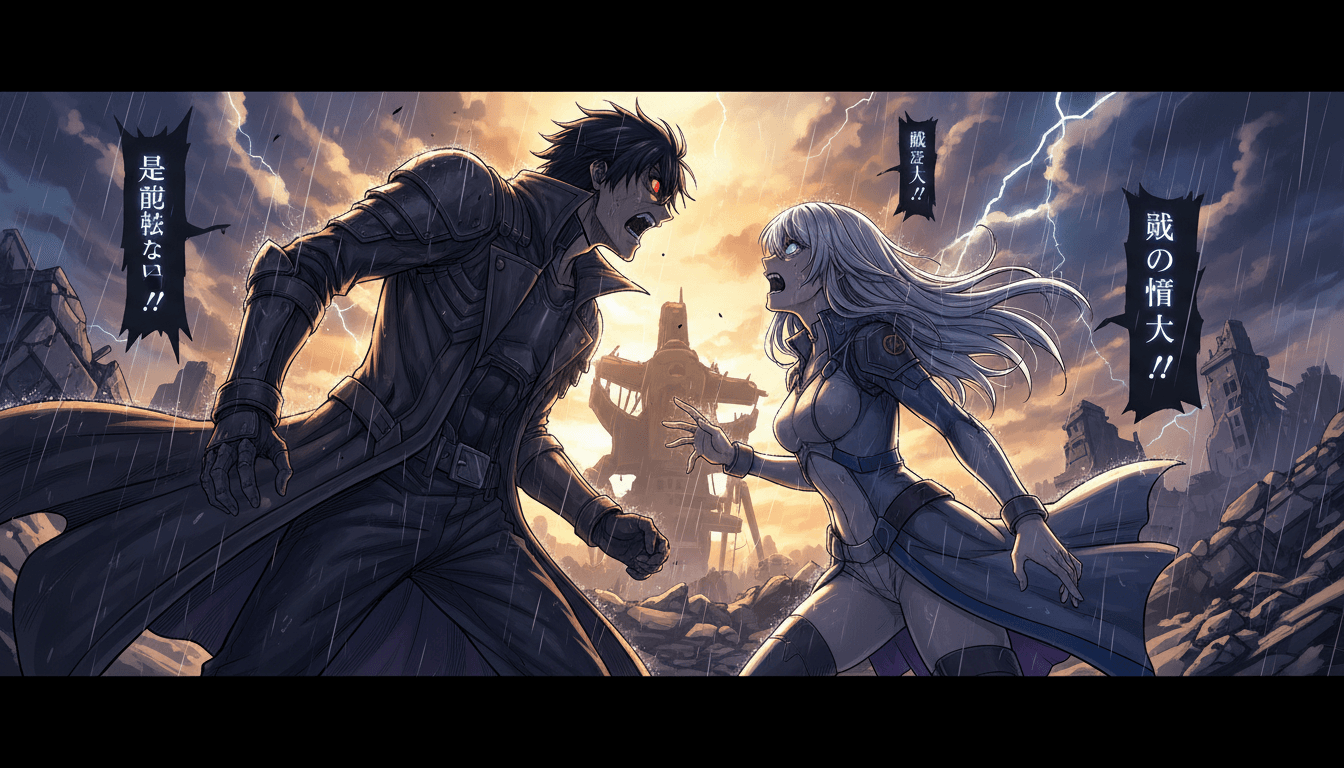
C2Anime is a true crime video generator built for story-driven channels. Paste your case write-up and it reads the whole thing, breaks it into shots, and renders each beat as a short anime clip — the discovery, the investigation, the turn — with the same cast and locations throughout, ready to drop into your edit.
How the true crime video generator works
Three stages, in this order. Planning the shots before rendering is what keeps a case feeling like one story instead of a stack of clips.
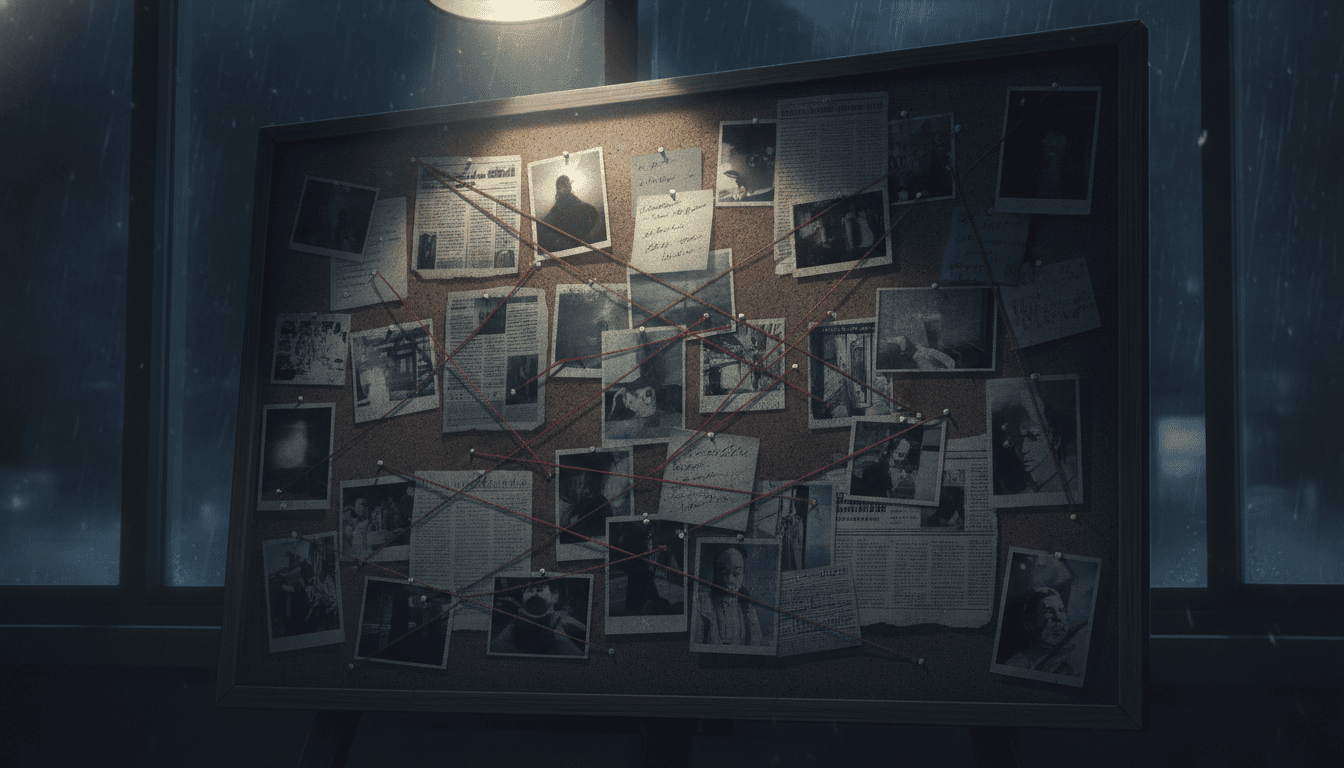
Paste your case write-up
Drop in your script, timeline or case notes. The director reads it the way an editor reads coverage — finding the beats that carry the story and the moments that need to be seen, not just narrated.
It breaks the story into shots
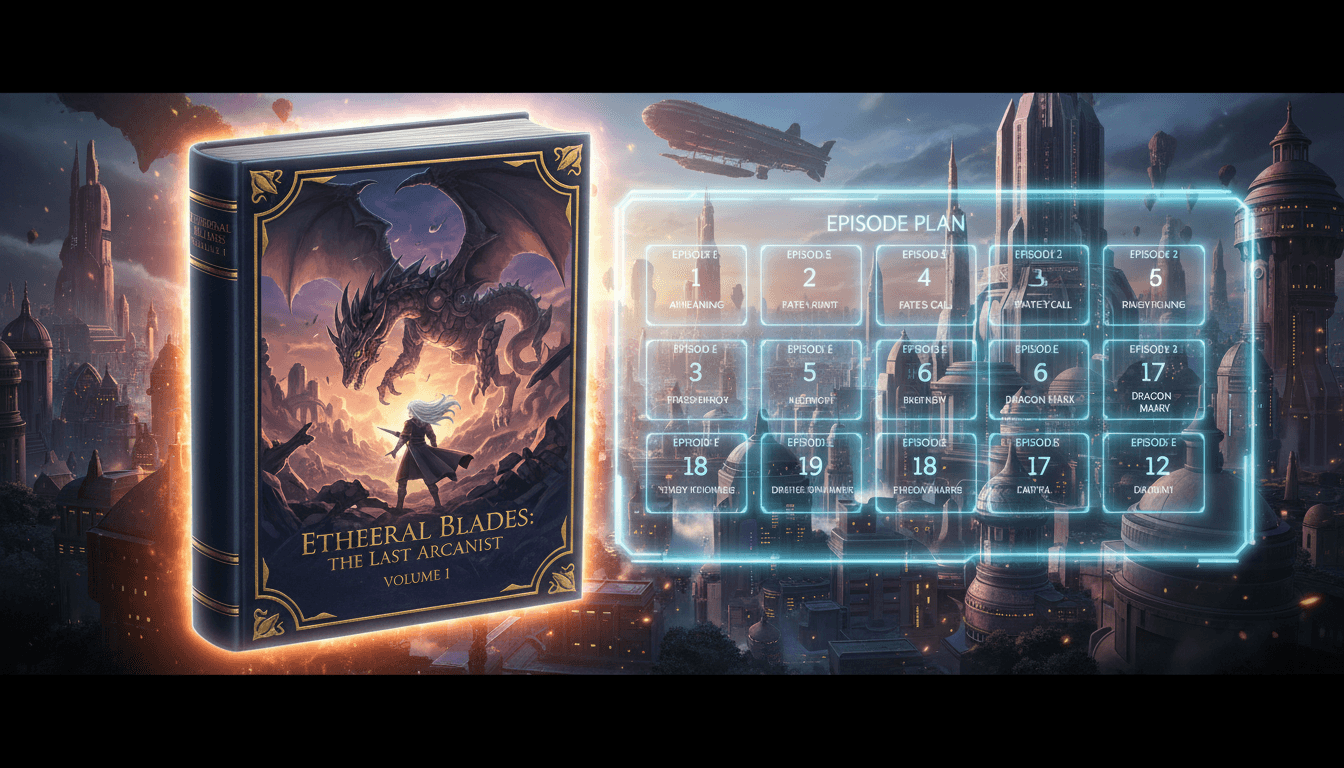
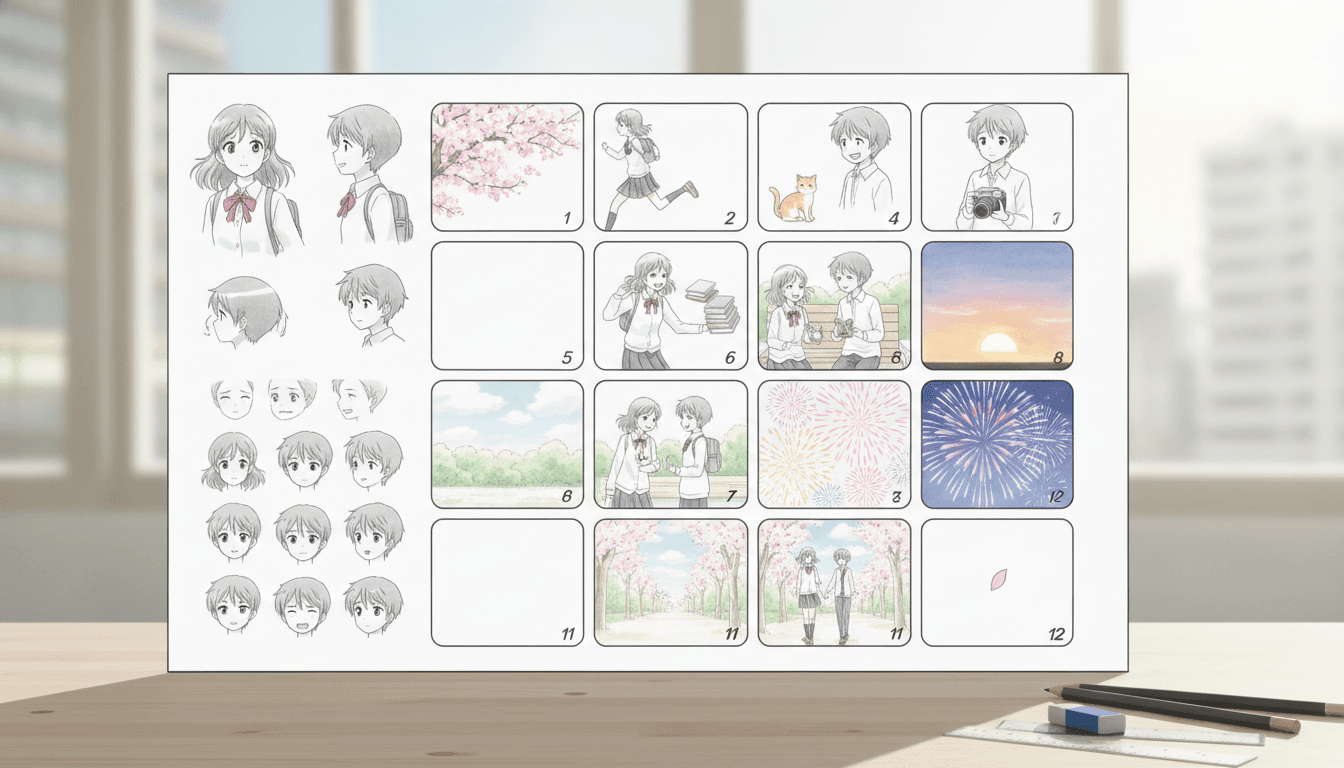
The write-up becomes a shot list: a scene for the discovery, a scene for the investigation, a scene for the turn. You review the plan — the locations, the cast, the order — before anything renders.
It renders each beat as a clip
Every beat comes back as a short anime clip with the same recurring figures and settings, ready to drop onto your timeline under your voiceover.
Stop looping the same three stock clips
The usual true crime workflow is a voiceover laid over whatever footage you could find: a rainy road, a generic courthouse, a flashlight in the dark, looped as long as the narration runs. Viewers have seen those exact clips a hundred times, and the visuals stop matching the words the moment the story gets specific.
A true crime video generator that works scene by scene fixes that. When your narration says the witness saw a figure leave through the back door, there is a shot of a figure leaving through the back door — staged for your case, not pulled from a stock library.
Because the whole case is planned before anything renders, the visuals track the story beat for beat instead of drifting away from it. You spend your time on the writing and the edit, not on hunting for footage that almost fits.
The cast has to stay the same person
True crime lives on continuity. The audience has to track who the victim is, who the detective is and who the suspect is across a twenty-minute retelling. The second a face changes between scenes, that thread snaps and the story gets confusing.
C2Anime designs each figure once, up front, and treats that design as a fixed reference for the rest of the video. When the detective appears in scene nine, the generator is reusing the same design from scene one, not inventing a new person who happens to have the same job.
The same holds for locations and props. The house, the car, the interview room — kept steady so a returning location reads as the same place, and the finished edit holds together as one case.

What the true crime video generator handles for you
One cast across the whole case
The victim, the detective, the witness — designed once and reused in every shot they appear in. The faces do not reset between scenes, which is exactly where most AI true crime footage falls apart.
Scenes, not stock loops
Instead of the same three stock clips looping under your narration, each beat gets its own staged scene: the alley, the courtroom, the last known location.
Voiced where you want it
Characters can speak their own lines, or you can keep your narrator on top and use the clips as b-roll. Either way the scenes are built around the story, not generic motion.
Consistent locations and props
The house looks the same every time the story returns to it. The car, the room, the weather — held steady so the edit reads as one case, not a slideshow.
Who this is for
Faceless true crime channels. You already write and narrate. What eats your week is sourcing visuals for every beat. Paste the script and get scenes that match it, then lay them under your voiceover.
Short-form storytellers. Vertical true crime clips need a hook and a clear turn in under a minute. A scene list keeps the pacing tight instead of padding with loops.
Writers who want their case seen. You have the research and the write-up. This is a way to see it move without a budget for footage or an animation team.
True crime video generator: common questions
- What is a true crime video generator?
- A true crime video generator takes a written case — your script, timeline or notes — and turns it into watchable video instead of leaving you to source stock footage for every beat. C2Anime does this as anime: it reads the write-up, breaks it into shots, and renders each beat as a short clip with a consistent cast and setting that you assemble into your finished true crime video.
- Does it use real footage or photos of real people?
- No. C2Anime renders original anime scenes. You get stylized, dramatized clips of characters and locations the director designs for your story, not real crime-scene imagery or photographs of real individuals. That keeps the footage reusable and avoids leaning on graphic real-world material.
- Can I keep my own narration?
- Yes. Most faceless true crime channels run a single narrator over the visuals, and this fits that workflow: generate the scenes, then lay them under your own voiceover in your editor. If you would rather the characters speak, the generator can voice the dialogue instead.
- Will the detective and victim look the same in every scene?
- That is the point of planning the production before rendering. C2Anime designs each figure once and reuses that design across every shot, so the detective in the opening scene is recognizably the same person in the courtroom scene an hour of story later.
- How long can the video be?
- Long enough to tell a full case — a cold open, the investigation, the resolution — rather than a single clip. The runtime depends on how many beats your write-up has and how much of the story you want to show versus narrate.
- What should I paste in?
- Anything from a tight shot-by-shot script to a loose set of case notes. The more structured the write-up, the closer the shot list follows your intended pacing, but the director can also propose a structure from a plain summary.
- Is this only for true crime?
- The same scene-by-scene approach works for unsolved mysteries, disaster retellings and other narration-led documentary formats. True crime is simply the format this generator is tuned for, because those stories live and die on continuity from beat to beat.
Bring the case. Leave with the scenes.
The generator plans and renders the shots. You stay the narrator and the editor.
Start your true crime videoMaking true crime video from a written case
A true crime video generator is a different kind of tool from a clip maker that answers one prompt at a time. C2Anime takes responsibility for an outcome: a set of scenes that follow the case you wrote, in order, with the same people and places throughout. It reads your write-up, proposes a shot list, designs the cast and renders each beat as a short anime clip. The plan is visible before anything renders, so directing it feels closer to working with a storyboard artist than to typing prompts into a video model.
The reason to want a true crime video generator rather than a stock library comes down to fit and continuity. Stock footage is generic by definition — it was shot for no one's story in particular, so it drifts from your narration the moment the details get specific. By planning the whole case first and holding a fixed set of character and location references, the generator keeps the detective, the victim and the setting recognizable from the cold open to the resolution.
Because the footage is original anime rather than real imagery, it stays reusable and avoids leaning on graphic real-world material. You can voice the characters directly or keep your own narrator on top and treat the clips as b-roll. Either way the scenes are staged around what the story is actually saying at that moment, which is what separates a watchable retelling from a slideshow.
C2Anime works from whatever you already have: a tight shot-by-shot script, a timeline, or a loose set of case notes. It breaks the story into scenes, casts and holds the figures and locations, and renders them so your edit reads as one coherent case. Bring the write-up — the true crime video generator will shoot it.