Storytime to Anime: Turn Your Script into a Finished Anime Video
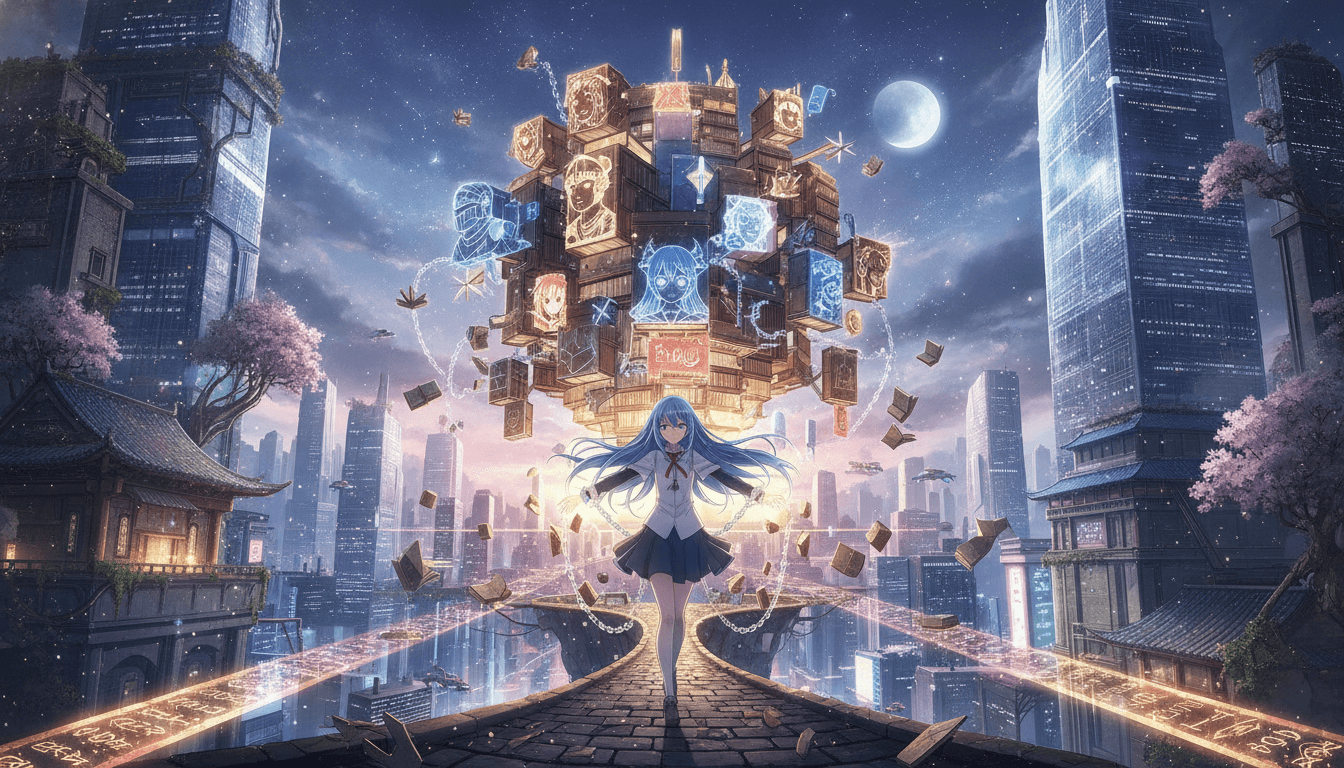
C2Anime takes your storytime script, novel, or true-crime-inspired narrative and turns it into a finished anime video. An AI Film Director plans the structure, designs a consistent cast, writes a real screenplay, and renders voiced, dialogue-driven scenes. No animation team required.
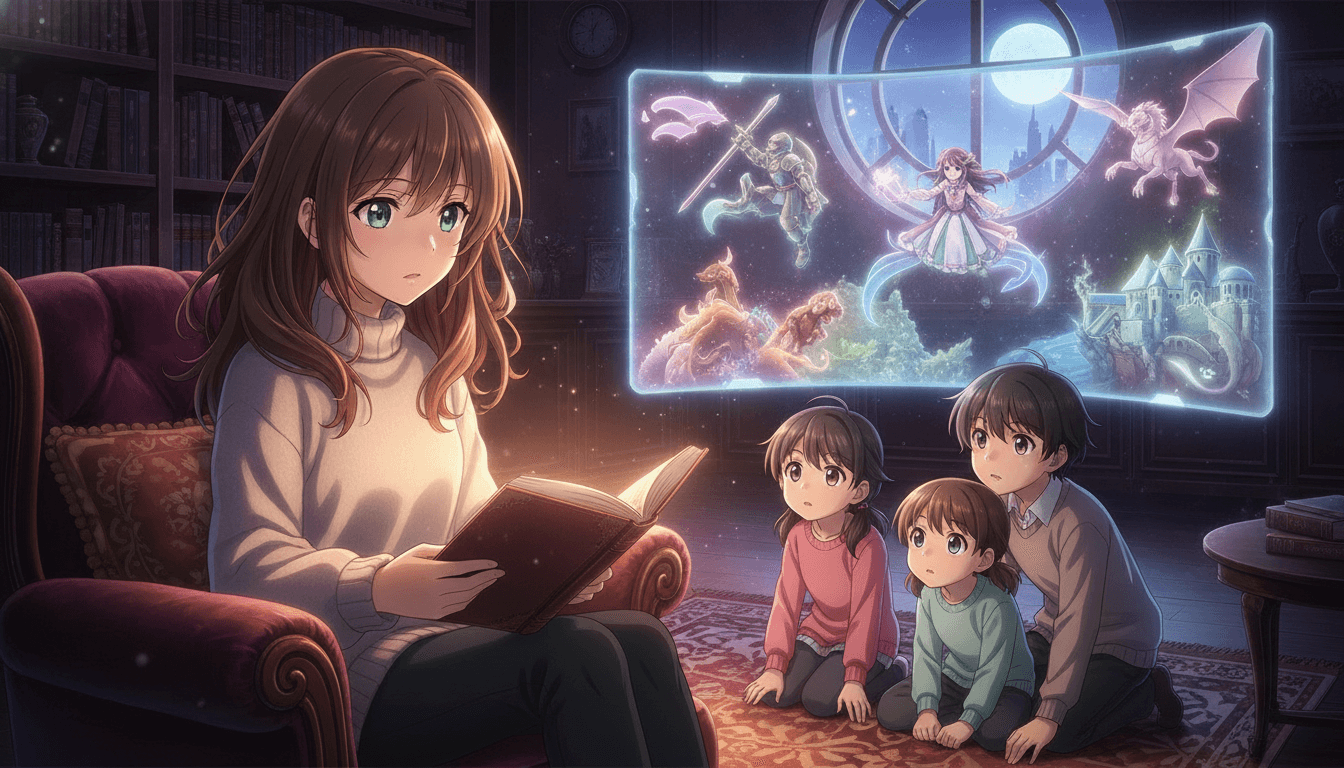
How Storytime to Anime Works
You bring the story; C2Anime handles the filmmaking. The process is built for creators who want a finished video, not a folder of disconnected clips.
Paste your story
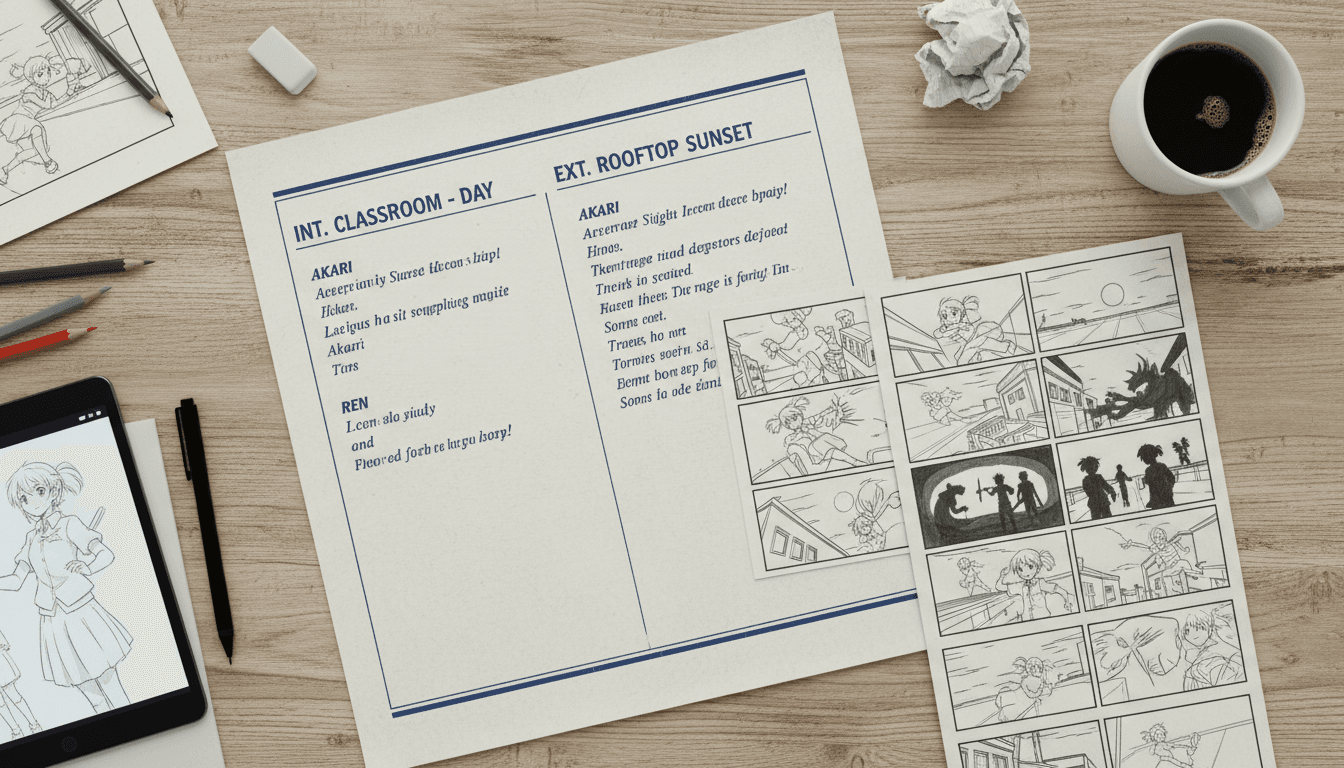
Drop in your script, short story, or chapter. The AI Film Director reads it and plans the structure: where scenes begin and end, where tension peaks, and where dialogue carries the moment.
Meet your cast
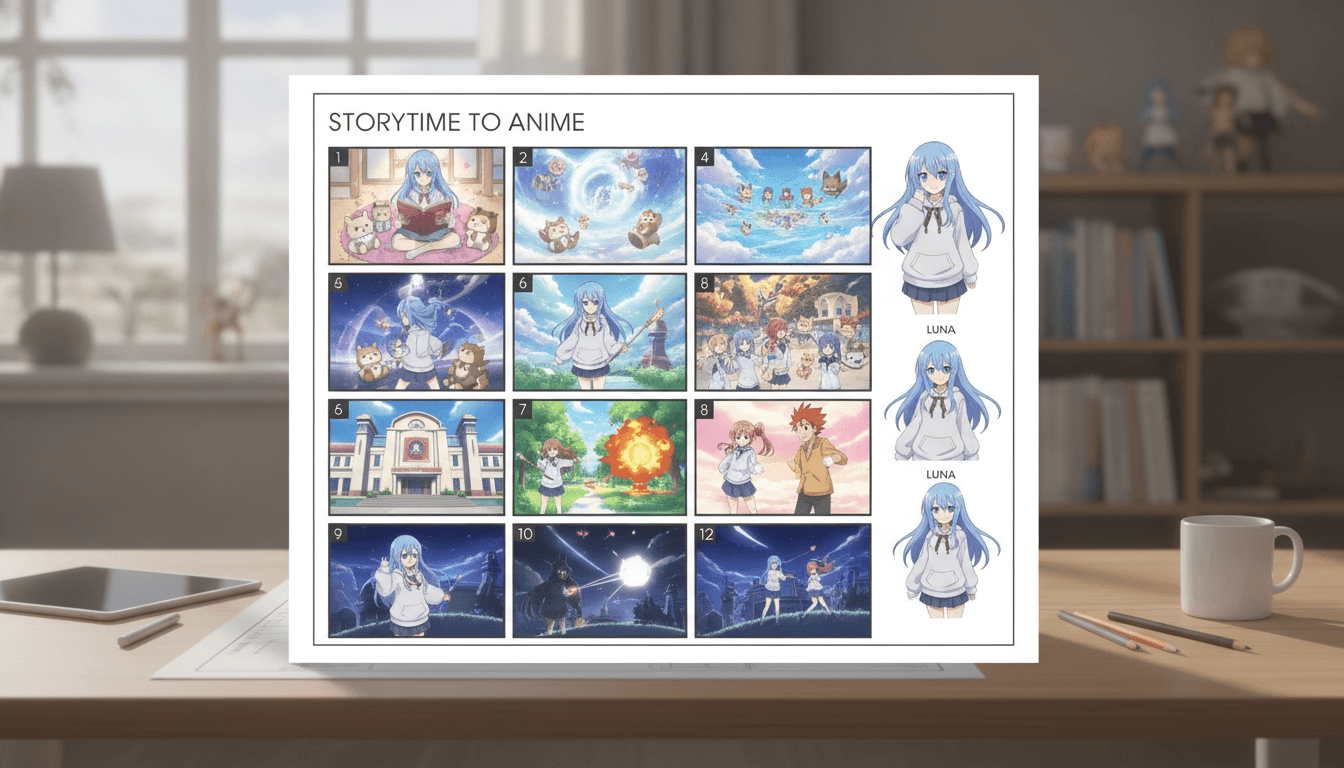
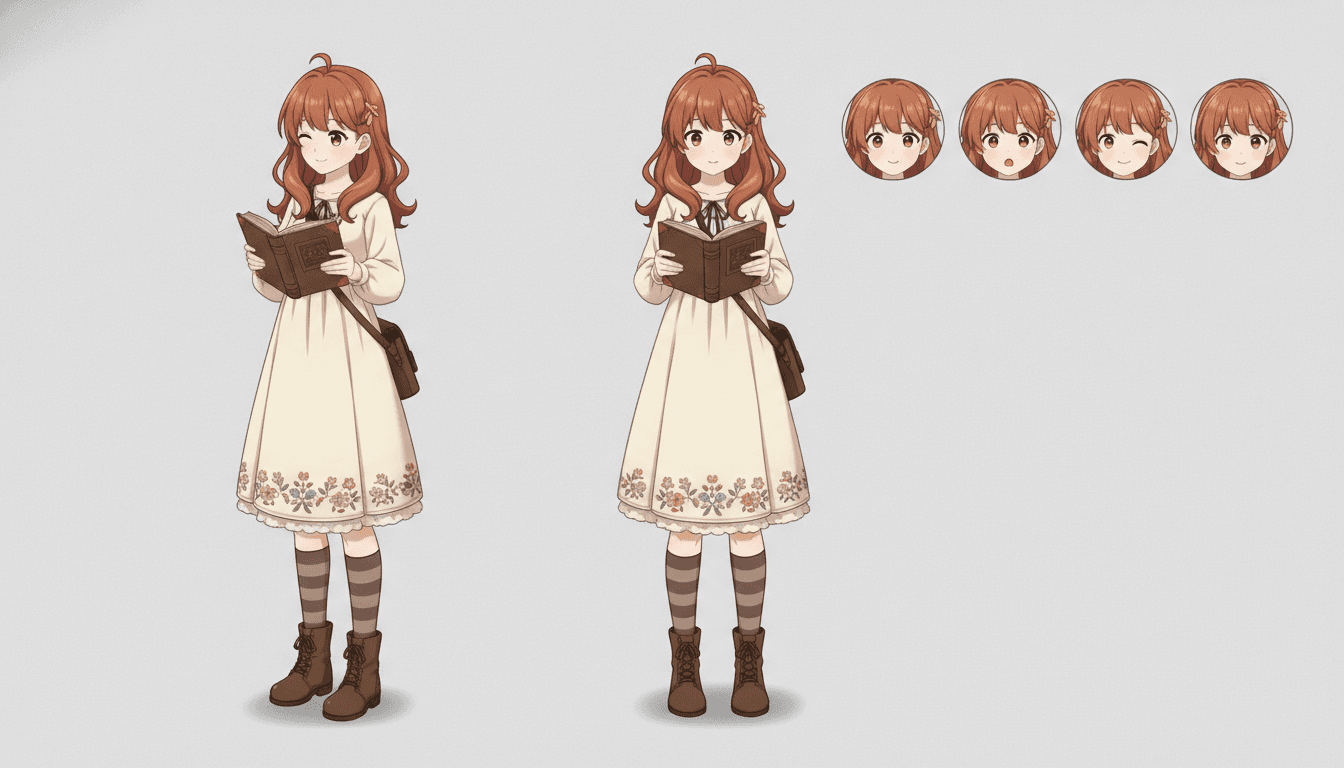
C2Anime designs your characters once and keeps their faces, hair, and outfits consistent across every shot. That continuity is what makes a storytime to anime video feel like one film instead of a slideshow.
Render the video
The system writes a real screenplay, assigns voices, and renders dialogue-driven anime scenes. You get a finished video in the 30-second to few-minute sweet spot, with longer stories composed from multiple scenes.
Why Storytime to Anime Fits Horror, True-Crime, and Mystery Channels
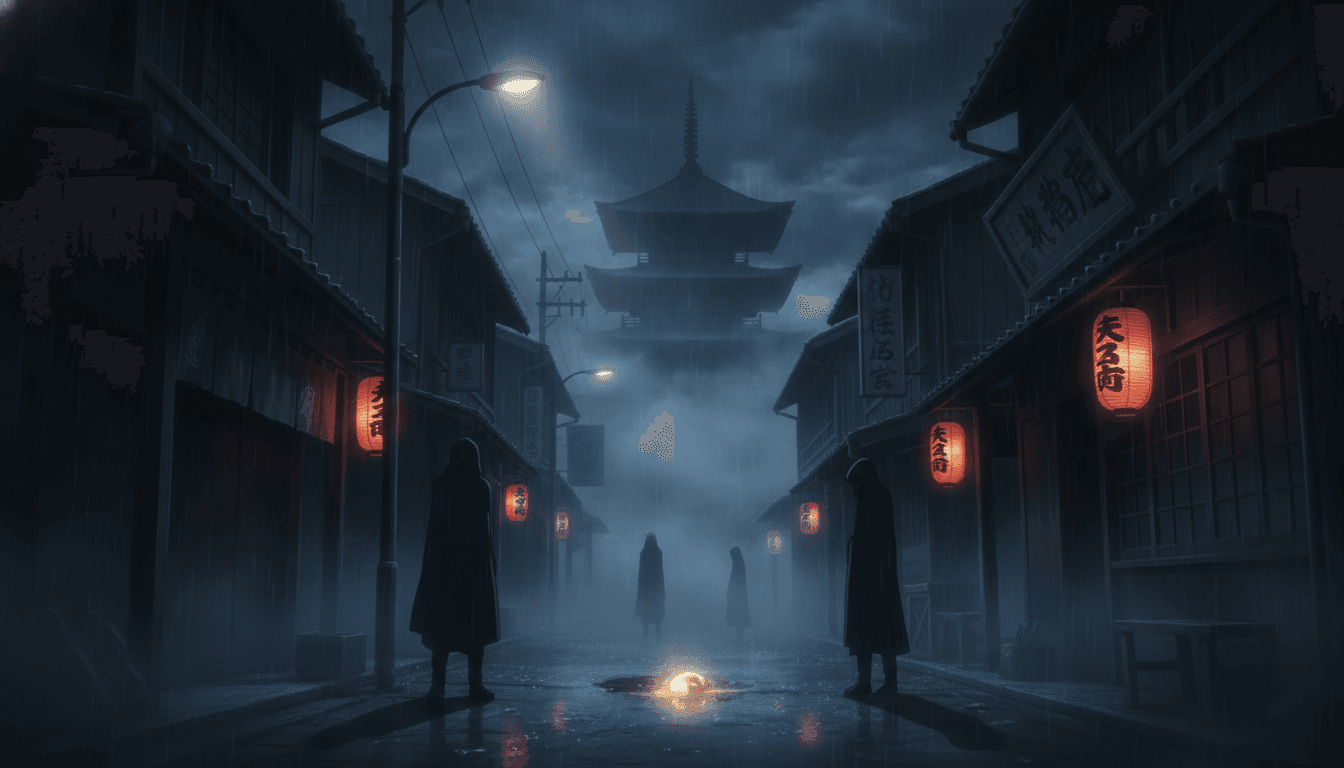
Faceless channels live or die on atmosphere, and storytime to anime gives you atmosphere you can control. Instead of stock footage or a static background, your narration plays over anime scenes that match the tone: a rain-slicked alley, a flickering hallway, a courtroom sketch that feels like a memory. The visuals carry the dread while your voice carries the story.
The consistent cast is the difference between a channel that feels thrown together and one that feels produced. When the same detective appears in episode one and episode twelve with the same scar and the same coat, viewers recognize them. C2Anime locks character design across every shot so your recurring narrator or protagonist becomes a recognizable brand asset.
You also get a real screenplay, not just captions over art. The AI Film Director structures dialogue, pacing, and scene breaks so your storytime to anime video has rhythm. That matters for retention: a mystery needs beats, a horror story needs silence before the scare, and a true-crime recap needs clean transitions between timeline segments.
A Closer Look at the Storytime to Anime Pipeline
Most AI video tools generate a clip at a time, which means you stitch scenes together and hope the character looks the same in each one. C2Anime starts from the story level. It reads your script, plans the sequence, and designs the cast before rendering begins. The result is a coherent piece where the camera, the characters, and the dialogue all belong to the same film.
The system runs on Seedance and MiniMax models, chosen for anime-style rendering and dialogue-driven scenes. You are not asked to manage model settings or prompt engineering. You provide the story; the AI Film Director handles shot planning, character continuity, and voice assignment. For creators publishing weekly, that removes the bottleneck between writing and uploading.
C2Anime is in invite-gated Early Access with paid credit tiers. That is deliberate: rendering finished anime video is compute-heavy, and credits keep the pipeline stable for the creators who are in. You can review pricing and credit options before you commit, and longer stories are composed from multiple rendered scenes rather than one long clip, which keeps quality consistent across the runtime.
Features That Make Storytime to Anime Practical
Consistent cast across every shot
Faces, hair, and outfits stay locked from scene to scene. Your protagonist looks like the same person in the opening and the finale, which is the core requirement for serialized storytime content.
Real screenplay, not captions
The AI Film Director writes dialogue and structures scenes with pacing in mind. You get voiced, dialogue-driven anime scenes rather than narration laid over static frames.
Scene-based composition for longer stories
The stable sweet spot is roughly 30 seconds to a few minutes per piece. Longer runtimes are built from multiple scenes, so a 10-minute storytime becomes a sequence of coherent segments instead of one unstable clip.
Built for faceless channels
No on-camera talent, no animation team, no editing timeline. You write, you render, you publish. The workflow is designed for creators who publish horror, true-crime, and mystery stories on a schedule.
Who Uses Storytime to Anime
Faceless horror narrators Creators who publish creepypasta, ghost stories, and atmospheric horror need visuals that match the dread without showing a real person. Anime scenes give you mood, shadows, and a cast you control.
True-crime and mystery channels Dramatized, inspired-by storytelling works well here: change or omit names, avoid identifiable real victims, and never accuse a named person. Anime dramatization keeps the focus on the narrative rather than on real faces.
Writers with a backlog If you already have scripts, short stories, or a novel draft sitting in a folder, storytime to anime is a way to turn that text into publishable video without hiring an animation studio.
Storytime to Anime: Common Questions
- What exactly does storytime to anime mean on C2Anime?
- It means taking a written storytime script and turning it into a finished anime video with voiced, dialogue-driven scenes. C2Anime plans the structure, designs a consistent cast, writes a screenplay, and renders the video. You are not getting a picture book or a set of illustrations; you are getting video.
- How long can a storytime to anime video be?
- The stable sweet spot is about 30 seconds to a few minutes per rendered piece. Longer stories are composed from multiple scenes rather than one long clip. That keeps character continuity and visual quality consistent across the full runtime.
- Will my characters look the same in every scene?
- Yes. Consistent cast design is the core differentiator: the same faces, hair, and outfits are maintained across every shot. This is what makes a storytime to anime video feel like a single film instead of a collection of unrelated clips.
- Can I use storytime to anime for true-crime or ghost stories?
- Yes, with a dramatized, inspired-by framing. Change or omit real names, avoid identifiable real victims, never accuse a named person, and stay general on open or living cases. Anime dramatization is well suited to that approach because it keeps the focus on the narrative.
- Which AI models power C2Anime?
- C2Anime runs on Seedance and MiniMax models, selected for anime-style rendering and dialogue-driven scenes. You do not need to manage model settings yourself; the AI Film Director handles the pipeline from script to rendered video.
- How do I get access to storytime to anime on C2Anime?
- C2Anime is in invite-gated Early Access with paid credit tiers. You can review pricing and credit options on the pricing page. There is no free tier or instant signup, and access is managed through the invite process.
- Do I need animation or editing experience?
- No. You provide the story; the system handles structure, character design, screenplay, and rendering. The workflow is built for writers and channel creators, not for animators or editors.
Turn Your Next Storytime into Anime
Bring your script, meet your cast, and render a finished anime video. Review credit tiers and start your first storytime to anime piece.
Start your animeStorytime to Anime for Creators Who Publish on a Schedule
C2Anime is built for the creator who has a story to tell and a channel to feed. Storytime to anime means your script becomes a finished video with a consistent cast, a real screenplay, and voiced scenes, without an animation team or a timeline. If you publish horror, true-crime, or mystery narratives, the pipeline is designed to fit your workflow.
The AI Film Director plans structure and designs characters before rendering, so continuity holds across scenes. That is the practical difference between a video that feels produced and one that feels assembled. For serialized content, a recognizable cast becomes part of your channel identity.
C2Anime runs on Seedance and MiniMax models and is available through invite-gated Early Access with paid credit tiers. Review pricing to choose a credit level that matches your publishing cadence, then start your first storytime to anime video from the create page.
Whether you are adapting a creepypasta, a dramatized mystery, or a chapter of a novel, the goal is the same: turn text into a watchable anime video with characters viewers remember. Write the story, render the scenes, publish the video.